
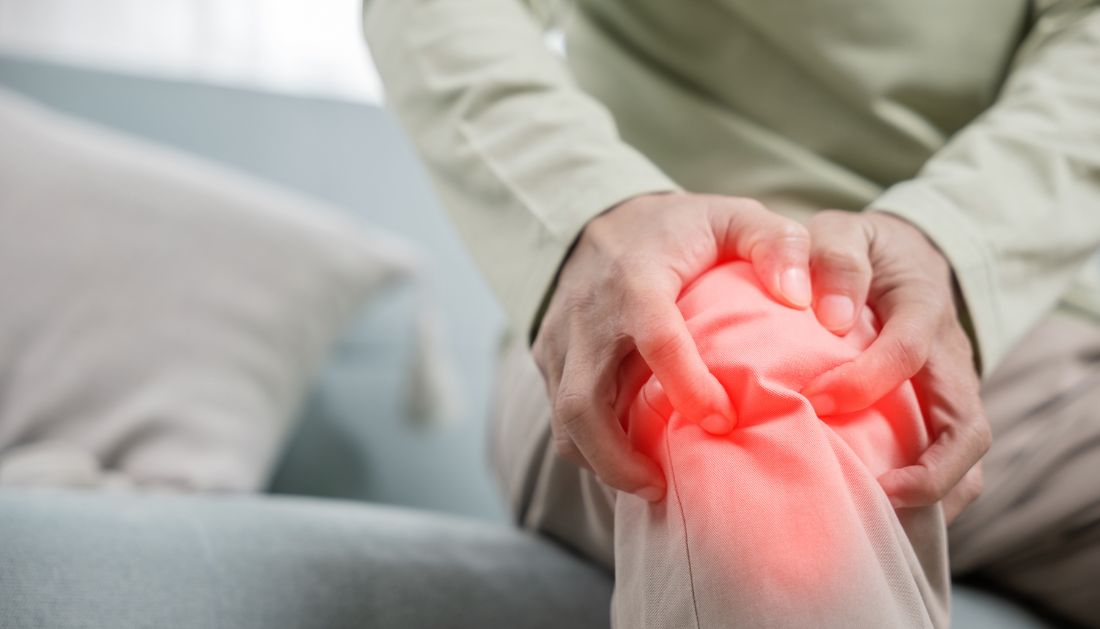
A recent study published in the Journal of Orthopaedic Research reveals that altered knee joint movement after anterior cruciate ligament reconstruction (ACLR) may contribute to early-onset knee osteoarthritis (OA). This finding is particularly concerning for athletes and individuals who undergo ACL surgery, as it highlights a potential long-term complication.
Key Findings: How ACLR Affects Knee Movement
Using a dynamic X-ray imaging system, researchers compared knee joint movement in ACLR patients with those of healthy individuals. The study found that:
- ACLR patients had a higher vertical position of the patella (kneecap) compared to healthy controls.
- The patella-femur contact point was also higher in ACLR patients, which could alter joint mechanics.
- A longer-than-normal patellar tendon was identified as the cause of the higher riding patella.
- Surprisingly, this altered patellar positioning was observed in both the operated and uninjured knee of ACLR patients.
How This Knee Movement Increases Osteoarthritis Risk
Investigators suggest that a higher-riding patella may shift load-bearing areas within the knee joint. This displacement could:
- Expose previously unloaded cartilage to increased stress.
- Leave previously loaded cartilage without sufficient stimulation, which may accelerate degeneration.
This structural change might lead to premature wear and tear, increasing the risk of knee osteoarthritis in ACLR patients.
What’s Next? Future Research Needed
Experts are still uncertain whether the longer patellar tendon is a pre-existing condition, a result of ACL injury, or a consequence of ACL reconstruction surgery. Further research is needed to determine its origin and develop preventive strategies to reduce osteoarthritis risk in ACLR patients.
Conclusion: A Call for Better Post-Surgical Management
This study underscores the need for improved post-operative rehabilitation and knee biomechanics assessment in ACLR patients. Understanding these risks can help clinicians refine treatment protocols and potentially mitigate early-onset osteoarthritis.

more recommended stories
 Brain-Computer Interface Uses EEG in Unresponsive Patients
Key findings at a glance Mind-controlled.
 Gamma Oscillations Restored in Alzheimer’s Disease Mice
Key takeaways Researchers restored parvalbumin (PV).
 Coffee Consumption Linked to Lower Recurrent VTE Risk
Key points at a glance Study.
 Body Roundness Index Linked to Higher Heart Attack Risk
Key findings at a glance Study.
 Maternal Diet Fails to Reduce Infant Egg and Peanut Allergy
Key Points A large Australian randomized.
 Visual Impairment Linked to Higher Dementia Risk
Key findings at a glance A.
 Long-Acting HIV Treatment May Help Drug-Resistant Cases
Key Takeaways A UCSF study found.
 Night Shift Work Alters Key Circadian Gene Expression
A recent study published in Frontiers.
 Tirzepatide Weight Loss: Fat Mass and Muscle Findings
Key points Tirzepatide was associated with.
 Coffee and Gut Microbiome: Brewing and Metabolic Effects
Key Points Coffee contains caffeine, chlorogenic.
Leave a Comment