
Antibiotic-Resistant Salmonella Linked to Pet Dogs

A recent study from Penn State University, published in Zoonoses and Public Health, has revealed that household dogs may play a significant role in transmitting antibiotic-resistant Salmonella to humans. With rising antibiotic resistance posing a global health threat, the findings emphasize the need for better awareness and hygiene practices among pet owners.
Salmonella infections, often contracted from contaminated food, can also spread through close contact with infected pets—whether through licking, handling contaminated pet food, or poor hygiene practices. Dogs, even those showing no symptoms, can harbor antibiotic-resistant Salmonella strains, creating a hidden health risk for families.
The study analyzed 87 non-typhoidal Salmonella strains isolated from domestic dogs across 17 U.S. states between 2017 and 2023. Researchers compared these strains with human cases from the National Center for Biotechnology Information (NCBI) database. Their analysis revealed 77 potential zoonotic transmission cases, indicating a clear pathway of infection from pets to humans.
Lead researcher Sophia Kenney highlighted the importance of responsible antibiotic use in veterinary medicine. While agriculture is often linked to Salmonella outbreaks, companion animals like dogs represent an underappreciated transmission pathway due to their close relationships with humans.
Nkuchia M’ikanatha, co-author and epidemiologist, referenced past outbreaks, such as multidrug-resistant Salmonella infections linked to contaminated pig ear pet treats, which sickened 154 people across 34 states.
Simple practices, such as regular handwashing after handling pets or pet food, can significantly reduce infection risks. Pet owners should also ensure proper storage and handling of dog food and treats.
Despite the findings, Professor Erika Ganda emphasized that the goal isn’t to discourage pet ownership but to encourage safe practices. Dogs offer immense emotional and physical health benefits, and these simple measures ensure both pets and families stay safe.
More Information: Sophia M. Kenney et al, Antimicrobial Resistance and Zoonotic Potential of Nontyphoidal Salmonella From Household Dogs, Zoonoses and Public Health (2024). DOI: 10.1111/zph.13174

 Gamma Oscillations Restored in Alzheimer’s Disease Mice
Key takeaways Researchers restored parvalbumin (PV).
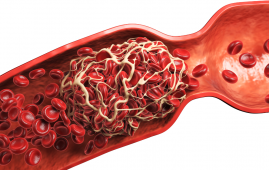 Coffee Consumption Linked to Lower Recurrent VTE Risk
Key points at a glance Study.
 Body Roundness Index Linked to Higher Heart Attack Risk
Key findings at a glance Study.
 Maternal Diet Fails to Reduce Infant Egg and Peanut Allergy
Key Points A large Australian randomized.
 Visual Impairment Linked to Higher Dementia Risk
Key findings at a glance A.
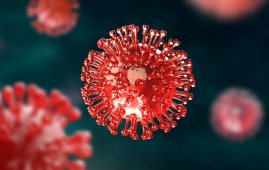 Long-Acting HIV Treatment May Help Drug-Resistant Cases
Key Takeaways A UCSF study found.
 Night Shift Work Alters Key Circadian Gene Expression
A recent study published in Frontiers.
 Tirzepatide Weight Loss: Fat Mass and Muscle Findings
Key points Tirzepatide was associated with.
 Coffee and Gut Microbiome: Brewing and Metabolic Effects
Key Points Coffee contains caffeine, chlorogenic.
 Low-Dose Radiation Therapy Shows Promise in Early Knee OA
Key Points Low-dose radiation therapy was.
Leave a Comment