
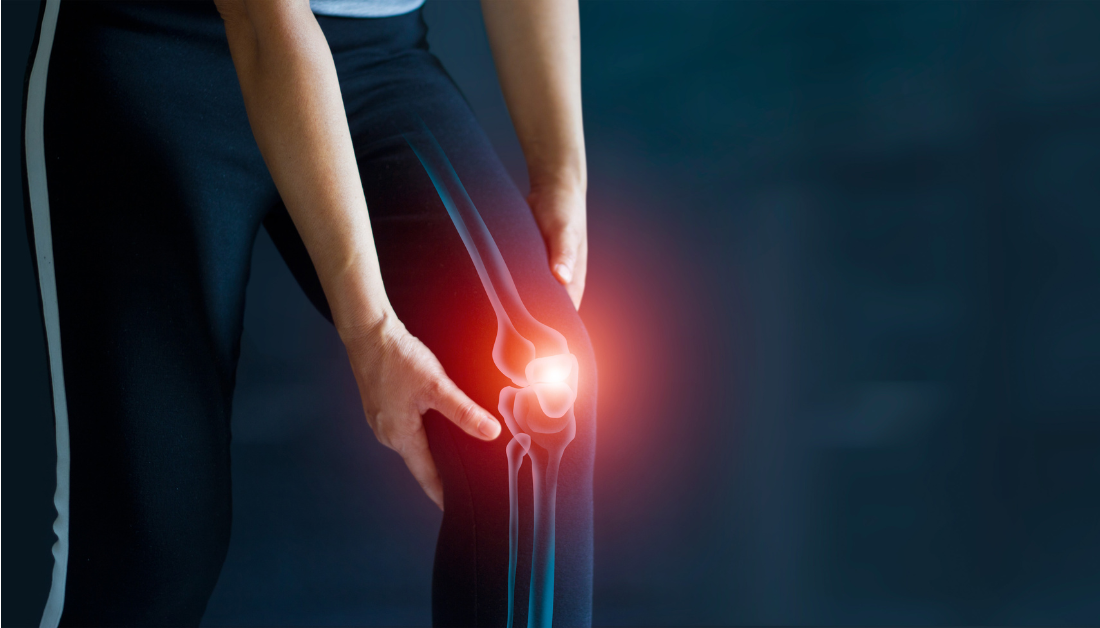
Your body’s normal healing response is stimulated by arthritis treatments such as cell therapies, bioengineering and gene therapy.
Arthritis affects one in every five persons in the UAE and is the leading cause of disability worldwide. Over 100 autoimmune and rheumatic musculoskeletal disorders are classified as arthritis, and while it is typically linked with aging, younger individuals are also impacted.
Every year on October 12, World Arthritis Day emphasizes the need of recognizing the symptoms of this painful disease, which can lead to early intervention. Renowned organizations, such as the Middle East Arthritis Foundation (MEAF), hold targeted events to promonewste awareness and support those affected by this crippling condition.
While standard therapies like drugs, physiotherapy, and surgery can help with symptoms, as World Arthritis Day approaches, we look at several alternatives and developments that may provide hope for a better quality of life.
Through a combination of self-management and telemedicine, remote monitoring offers a viable strategy to reduce hospital visits for arthritic patients. With the potential to replace time-consuming outpatient clinic appointments, this could increase healthcare utilization while decreasing disease activity.
Cell treatment, bioengineering, and gene therapy could be used in arthritis regenerative medicine to enhance the body’s natural healing response. Platelet-Rich Plasma (PRP) is a significant advancement. Derived from a patient’s blood, PRP can be utilized to treat pain, injured tendons, hair loss, and aging skin. While it can alleviate symptoms and promote recovery, its efficacy varies depending on preparation methods and patient characteristics.
Autologous Micro-fragmented Adipose Tissue (AMAT), like fat-based PRP, entails liposuction to harvest fat, which is then injected into therapeutic sites. Studies demonstrate that osteoarthritis pain and function are improving, although consistency in AMAT quality remains an issue.
Stem cell therapy has a lot of promise for tissue repair and regeneration. Embryonic, adult, induced pluripotent, and extremely tiny embryonic-like stem cells are among the different stem cell types. Clinical trials are currently underway, and the FDA warns against experimental remedies from for-profit clinics. It emphasizes the importance of standardized criteria and additional research to fully understand the potential of stem cells in arthritis treatment.
Surgical techniques such as Osteochondral Autograft Transplantation Surgery (OATS) and Matrix-Induced Autologous Chondrocyte Implantation (MACI) heal localised cartilage degradation, avoiding arthritis development. Researchers are investigating gene editing methods such as CRISPR-Cas9 in order to develop custom-designed cells and gene treatments that target inflammatory proteins in osteoarthritis.
While these regenerative medicine treatments show significant promise, further research, protocol modification, and the establishment of standardised procedures are required to properly understand their benefits in the field of arthritis treatment.

more recommended stories
 Gamma Oscillations Restored in Alzheimer’s Disease Mice
Key takeaways Researchers restored parvalbumin (PV).
 Coffee Consumption Linked to Lower Recurrent VTE Risk
Key points at a glance Study.
 Body Roundness Index Linked to Higher Heart Attack Risk
Key findings at a glance Study.
 Maternal Diet Fails to Reduce Infant Egg and Peanut Allergy
Key Points A large Australian randomized.
 Visual Impairment Linked to Higher Dementia Risk
Key findings at a glance A.
 Long-Acting HIV Treatment May Help Drug-Resistant Cases
Key Takeaways A UCSF study found.
 Night Shift Work Alters Key Circadian Gene Expression
A recent study published in Frontiers.
 Tirzepatide Weight Loss: Fat Mass and Muscle Findings
Key points Tirzepatide was associated with.
 Coffee and Gut Microbiome: Brewing and Metabolic Effects
Key Points Coffee contains caffeine, chlorogenic.
 Low-Dose Radiation Therapy Shows Promise in Early Knee OA
Key Points Low-dose radiation therapy was.
Leave a Comment