Autism Origins: Study Debunks Maternal Health Myths

A large-scale NYU Langone Health study has debunked the widely held belief that maternal health conditions during pregnancy contribute to autism risk. Instead, researchers found that genetics, environmental exposure, and access to healthcare are more likely to explain autism’s origins. Published in Nature Medicine, the study analyzed over 1.1 million pregnancies in Denmark using one of the most comprehensive datasets available.
For years, studies have suggested that maternal illnesses, infections, and chronic conditions during pregnancy could increase autism risk in children. However, this new research corrected for multiple confounding factors, including genetics, environmental influences, and concurrent health conditions, and found that nearly all prior associations did not hold up under rigorous analysis.
“There is no convincing evidence that maternal health issues cause autism,” says senior author Magdalena Janecka, Ph.D., of NYU Grossman School of Medicine.
Instead, researchers found that pregnancy complications linked to the fetus itself were the only conditions that remained statistically associated with autism. However, rather than causing autism, these fetal complications are likely early indicators of the condition developing before birth.
Unlike U.S. medical records, which are often fragmented across providers, Denmark’s national healthcare registry consolidates all medical history under a single government-issued number. This allowed researchers to examine over 1,700 distinct medical conditions and analyze those occurring in at least 0.1% of pregnancies (236 conditions).
By comparing pregnancies where the same mother had children with and without autism, researchers could distinguish genetic and environmental influences from direct maternal health effects. They also analyzed paternal medical histories, finding that many of the same conditions associated with maternal health and autism were equally linked to fathers—further supporting the theory that genetics, not pregnancy health, plays the biggest role.
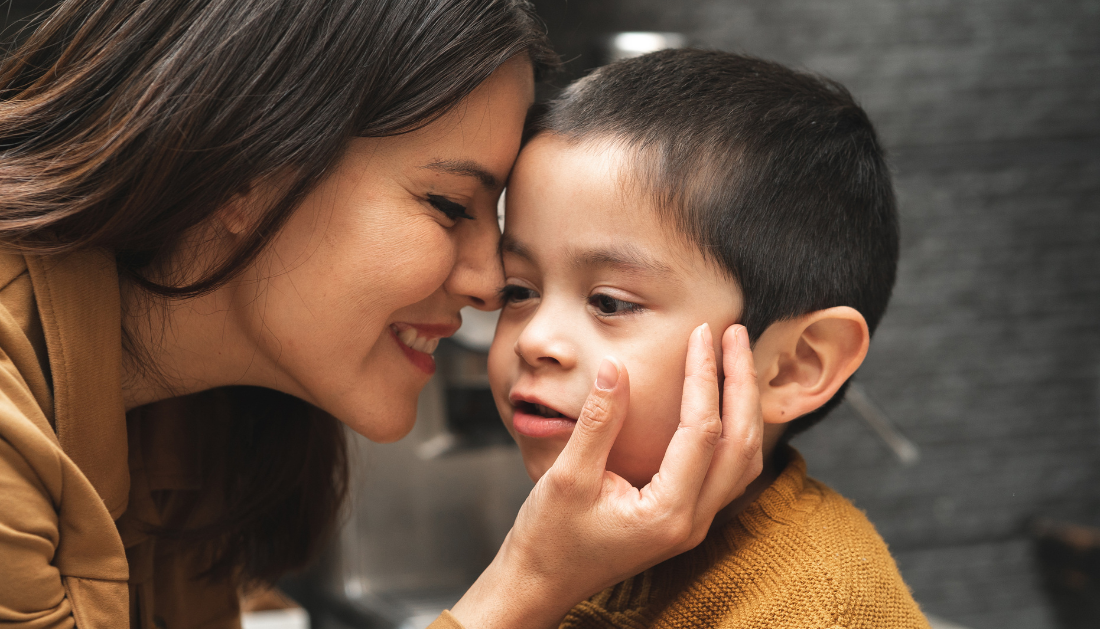
One of the most emotional implications of this study is that it helps relieve guilt among mothers of autistic children. Many women worry that their illnesses, stress, or health choices during pregnancy may have caused their child’s autism.
“Many mothers feel responsible for their child’s autism, and it’s heartbreaking,” says Janecka. “This research shows they did nothing wrong.”
The findings also highlight the importance of genetic and early developmental factors, reinforcing that it begins long before birth.
This study shifts the focus of research toward genetics, environmental exposure, and fetal development rather than maternal health conditions. It also raises important questions about how early signs—like fetal growth complications—might be identified and studied before birth.
With autism rates rising, this research provides a clearer picture of its origins and helps guide future studies toward more effective early interventions and support for autistic individuals.
Join HerHealth Oncology Congress 2025 for the latest insights on women’s health.
More Information: Most associations between maternal health and autism are attributable to familial confounding, Nature Medicine (2025). DOI: 10.1038/s41591-024-03479-5

 Gamma Oscillations Restored in Alzheimer’s Disease Mice
Key takeaways Researchers restored parvalbumin (PV).
 Coffee Consumption Linked to Lower Recurrent VTE Risk
Key points at a glance Study.
 Body Roundness Index Linked to Higher Heart Attack Risk
Key findings at a glance Study.
 Maternal Diet Fails to Reduce Infant Egg and Peanut Allergy
Key Points A large Australian randomized.
 Visual Impairment Linked to Higher Dementia Risk
Key findings at a glance A.
 Long-Acting HIV Treatment May Help Drug-Resistant Cases
Key Takeaways A UCSF study found.
 Night Shift Work Alters Key Circadian Gene Expression
A recent study published in Frontiers.
 Tirzepatide Weight Loss: Fat Mass and Muscle Findings
Key points Tirzepatide was associated with.
 Coffee and Gut Microbiome: Brewing and Metabolic Effects
Key Points Coffee contains caffeine, chlorogenic.
 Low-Dose Radiation Therapy Shows Promise in Early Knee OA
Key Points Low-dose radiation therapy was.
Leave a Comment