
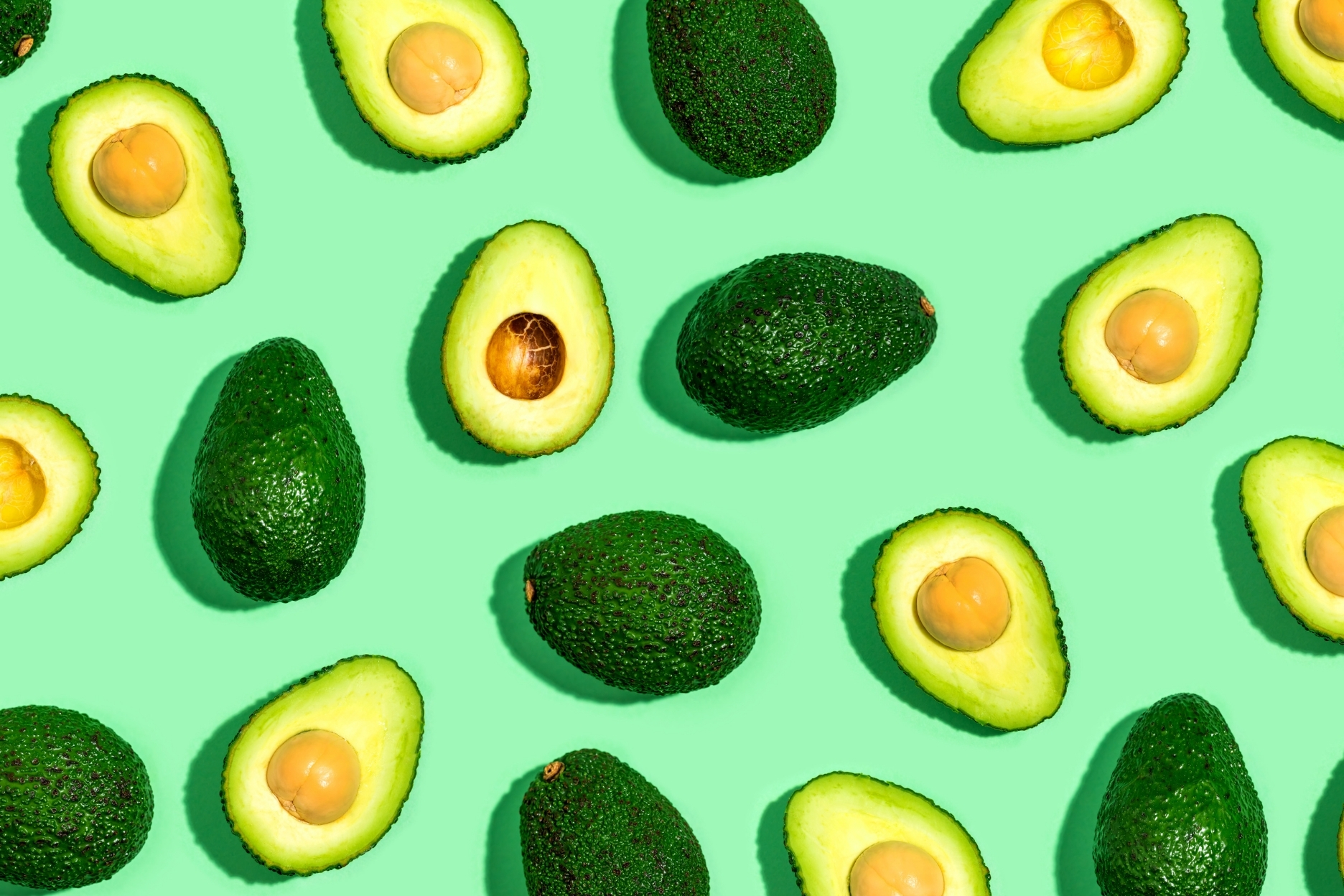
Can eating an avocado a day keep your gut microbiota healthy? Results of a new study published in The Journal of Nutrition concluded that daily avocado consumption may have a positive effect on microbial diversity in the gut.
Trillions of microorganisms that reside in your colon, collectively referred to as the gut microbiome, play an important role in health and reduced risk to certain diseases. While many foods have been shown to influence the gut microbial population, avocados may be particularly beneficial. Avocados are rich in fiber and monounsaturated fatty acids. Whereas other studies have shown that avocado consumption is associated with lower body weight, increased satiety, and reduction in blood lipid concentrations, the impact on gut bacteria and metabolites is largely unknown.
To investigate the impact of daily avocado intake on fecal microbiota and microbial metabolites among healthy adults with overweight or obesity, Hannah Holscher (University of Illinois) and colleagues conducted a 12-week randomized, controlled trial. Subjects were matched by age, sex, visceral adiposity, and fasting glucose concentrations. Study participants consumed daily meals with or without avocado once daily for 12 weeks. Food records were utilized to evaluate habitual dietary intake. In addition, participants provided fecal samples throughout the study to determine if daily avocado consumption altered gastrointestinal bacteria abundance and diversity as well as the metabolites produced by microbes.
Daily avocado consumption resulted in greater abundance of bacteria that break down fiber and produce metabolites that foster gut health. In addition, subjects in the avocado group had slightly more fat in their feces and a reduction in bile acids; substances released by the gallbladder that assist in fat digestion. This finding suggests that participants were absorbing less fat from their diet, which has important implications for the growing at-risk population of adults with overweight or obesity. Not only are avocados nutrient-rich, but their effects on the human fecal microbiota are also associated with beneficial health outcomes.

more recommended stories
 Visual Impairment Linked to Higher Dementia Risk
Key findings at a glance A.
 Long-Acting HIV Treatment May Help Drug-Resistant Cases
Key Takeaways A UCSF study found.
 Night Shift Work Alters Key Circadian Gene Expression
A recent study published in Frontiers.
 Tirzepatide Weight Loss: Fat Mass and Muscle Findings
Key points Tirzepatide was associated with.
 Coffee and Gut Microbiome: Brewing and Metabolic Effects
Key Points Coffee contains caffeine, chlorogenic.
 Low-Dose Radiation Therapy Shows Promise in Early Knee OA
Key Points Low-dose radiation therapy was.
 Oral Hormone Replacement Therapy Raises Blood Clot Risk
Key Points Oral hormone replacement therapy.
 GLP-1 Health Information: Quality, Completeness, & Engagement
Key Points A study assessed 128.
 DNA Damage Response May Drive Biological Aging
Key Points Chronic DNA damage response.
 Maternal Diet Fails to Reduce Infant Egg and Peanut Allergy
Key Points A large Australian randomized.
Leave a Comment