
Image by Freepik

Sudden infant death syndrome (SIDS) is a condition in which the death of a seemingly healthy newborn before their first birthday remains unexplained after extensive inquiry. Infants seem to die most often when they are sleeping.
While it is uncommon, it is the top cause of post-neonatal infant death in the United States today, occurring in 103 out of every 100,000 live births. Despite the early success of national public health programs in the 1990s in the United States promoting safe sleep environments and healthier sleep positions in newborns, rates of cases have remained stable over the previous three decades.
The tissue was obtained from the San Diego Medical Examiner’s Office and was tied to newborn fatalities between 2004 and 2011. They next inspected and evaluated the brain stems of 70 newborns who died throughout the study period for consistent abnormalities.
They discovered that the serotonin 2A/C receptor is changed in cases of abrupt newborn death versus control cases of infant deaths. Previous rat research has revealed that 2A/C receptor signaling promotes alertness and autoresuscitation, hence protecting brain oxygen status during sleep. This new study backs up the theory that a biological defect in some children leaves them prone to mortality under specific conditions.
The researchers here believe that sudden infant death syndrome occurs when three things happen at the same time: a child is in a critical period of cardiorespiratory development in their first year, the child is exposed to an external stressor such as a face-down sleep position or sharing a bed, and the child has a biological abnormality that makes them vulnerable to respiratory challenges while sleeping.
“The work presented builds upon previous work by our laboratory and others showing abnormalities in the serotonergic system of some SIDS infants,” says the paper’s lead author, Robin Haynes.
“Although we have identified abnormalities in the serotonin 2A/C receptor in SIDS, the relationship between the abnormalities and cause of death remains unknown.”
“Much work remains in determining the consequence of abnormalities in this receptor in the context of a larger network of serotonin and non-serotonin receptors that protect vital functions in cardiac and respiratory control when challenged. Currently, we have no means to identify infants with biological abnormalities in the serotonergic system. Thus, adherence to safe-sleep practices remains critical.”

 Gamma Oscillations Restored in Alzheimer’s Disease Mice
Key takeaways Researchers restored parvalbumin (PV).
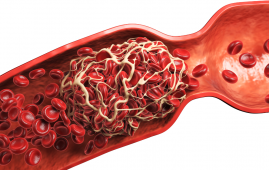 Coffee Consumption Linked to Lower Recurrent VTE Risk
Key points at a glance Study.
 Body Roundness Index Linked to Higher Heart Attack Risk
Key findings at a glance Study.
 Maternal Diet Fails to Reduce Infant Egg and Peanut Allergy
Key Points A large Australian randomized.
 Visual Impairment Linked to Higher Dementia Risk
Key findings at a glance A.
 Long-Acting HIV Treatment May Help Drug-Resistant Cases
Key Takeaways A UCSF study found.
 Night Shift Work Alters Key Circadian Gene Expression
A recent study published in Frontiers.
 Tirzepatide Weight Loss: Fat Mass and Muscle Findings
Key points Tirzepatide was associated with.
 Coffee and Gut Microbiome: Brewing and Metabolic Effects
Key Points Coffee contains caffeine, chlorogenic.
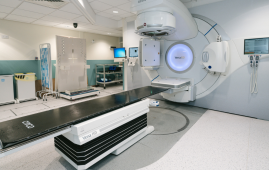 Low-Dose Radiation Therapy Shows Promise in Early Knee OA
Key Points Low-dose radiation therapy was.
Leave a Comment