
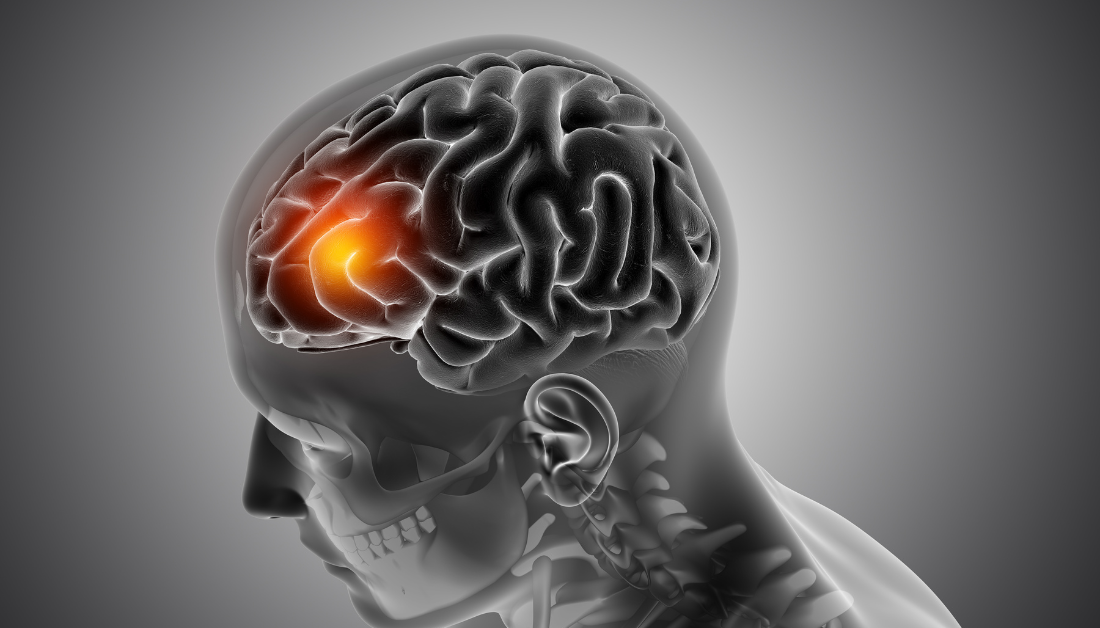
What form of brain tumor is this patient suffering from? AI technologies can assist determine this as early as 1.5 hours into operation. Normally, this process would take a week. Neurosurgeons can now alter their surgical methods on the fly thanks to new technology. A study on this topic was released today by researchers from UMC Utrecht, as well as researchers, pathologists, and neurosurgeons from the Princess Máxima Center for Pediatric Oncology and Amsterdam UMC.
In the Netherlands, 1,400 adults and 150 children are diagnosed with a brain or spinal cord tumor per year. Surgery is frequently the initial step in treatment. Neurosurgeons currently do not know what form of brain tumor they are dealing with or how aggressive it is throughout operation. The exact diagnosis is usually only available one week following surgery, after the pathologist has visually and molecularly evaluated the tumor tissue.
Deep-learning algorithm
UMC Utrecht researchers have created a new “deep-learning algorithm,” a type of artificial intelligence that considerably speeds up diagnostics.
Jeroen de Ridder, research group leader within UMC Utrecht and Oncode Institute, explains, “Recently, Nanopore sequencing became available: a technology that helps to read DNA in real time. For this, we developed an algorithm that is equipped to learn from millions of simulated realistic ‘DNA snapshots.’ With this algorithm, we can identify the tumor type within 20 to 40 minutes. And that is fast enough to directly adjust the surgical strategy, if necessary.”
De Ridder supervises a bioinformatics lab comprising 15 computational scientists. His team analyzes large chemical datasets using the most recent advances in computer science, such as machine learning and artificial intelligence (AI). This information is derived, for example, from tumor tissue obtained from patients and stored in biobanks.
“Modern technologies allow us to make enormously complex and rich measurements of, for instance, tumor biopsies,” de Ridder says. “How do we ensure that that highly complex collection of measurement data leads to new fundamental insights about cancer? And how can we use that collected data to better diagnose and treat cancer?”
“To answer these questions, it is essential to design algorithms that can analyze large collections of molecular data, and that is exactly what bioinformatics focuses on. Although our research is fundamental in nature, we are driven to make sure that our findings will have a positive effect on patients’ lives.”
More information: Ultra-fast deep-learned CNS tumour classification during surgery, Nature (2023). DOI: 10.1038/s41586-023-06615-2

more recommended stories
 Gamma Oscillations Restored in Alzheimer’s Disease Mice
Key takeaways Researchers restored parvalbumin (PV).
 Coffee Consumption Linked to Lower Recurrent VTE Risk
Key points at a glance Study.
 Body Roundness Index Linked to Higher Heart Attack Risk
Key findings at a glance Study.
 Maternal Diet Fails to Reduce Infant Egg and Peanut Allergy
Key Points A large Australian randomized.
 Visual Impairment Linked to Higher Dementia Risk
Key findings at a glance A.
 Long-Acting HIV Treatment May Help Drug-Resistant Cases
Key Takeaways A UCSF study found.
 Night Shift Work Alters Key Circadian Gene Expression
A recent study published in Frontiers.
 Tirzepatide Weight Loss: Fat Mass and Muscle Findings
Key points Tirzepatide was associated with.
 Coffee and Gut Microbiome: Brewing and Metabolic Effects
Key Points Coffee contains caffeine, chlorogenic.
 Low-Dose Radiation Therapy Shows Promise in Early Knee OA
Key Points Low-dose radiation therapy was.
Leave a Comment