
High-Fat Diet May Worsen Breast Cancer Outcomes

In a study published in APL Bioengineering by Princeton University researchers, investigators explored whether specific dietary states could slow tumor progression. Instead, their findings pointed in the opposite direction for one condition.
The team engineered identical tumor models and cultured them in a human plasma–like medium to mimic real-world biochemical conditions. Unlike conventional cell culture systems saturated with glucose and nutrients, this system replicated physiological interstitial fluid flow and nutrient concentrations seen in patients.
Among four metabolic states, high-insulin, high-glucose, high-ketone, and high-fat, the high-fat condition significantly increased tumor growth and invasive behavior in TNBC models.
What Did the Study Reveal About High-Fat Diet and Tumor Growth?
The researchers observed that tumors exposed to high-fat conditions showed:
MMP1 plays a critical role in degrading the extracellular matrix (ECM), facilitating tumor invasion and metastasis. Elevated MMP1 has been linked to poorer clinical outcomes, particularly in aggressive subtypes like TNBC.
Importantly, this model captured metabolic reprogramming within cancer cells under physiologically relevant nutrient conditions. Traditional in vitro models often fail to account for systemic influences such as immune interactions, microbiome dynamics, and metabolic tissue signaling.
By recreating plasma-like biochemical composition and continuous nutrient flow, the team demonstrated that tumor cells respond differently under realistic dietary environments.
The investigators plan to apply this model to evaluate how tumors respond to chemotherapy under various dietary conditions. This could open pathways for integrating dietary counseling into precision oncology strategies, particularly for patients undergoing systemic therapy.
For oncologists, oncology nurses, and multidisciplinary teams, these findings underscore the need to consider metabolic context when discussing prognosis and supportive care strategies in triple-negative breast cancer.
While clinical translation requires further validation, the data strengthen the hypothesis that a high-fat diet may negatively impact breast cancer prognosis through tumor microenvironment modulation.
The study reinforces the importance of metabolic awareness in cancer care. As dietary patterns increasingly intersect with oncologic outcomes, further research may clarify whether structured nutritional guidance could complement treatment plans.
Ongoing investigations will determine whether tumor sensitivity to chemotherapy differs across dietary states, potentially informing future clinical recommendations.

 Hypertensive Disorders of Pregnancy: Role of Daily Activity
Key Points Summary Limiting sedentary time.
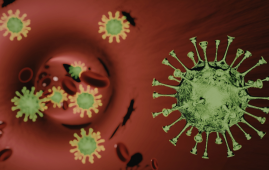 Climate Change Drives Dengue Outbreaks Globally
Key Takeaways Extreme weather significantly increases.
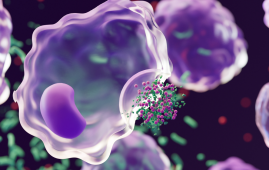 PFK Enzyme Dual Role in Metabolism and Cell Cycle
Key Highlights Phosphofructokinase (PFK Enzyme) shows.
 Exercise During Chemotherapy Supports Brain Health
Key Points Summary A nationwide clinical.
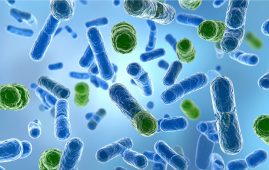 Food Tolerance Mechanism: How T Cells Prevent Allergies
Key Summary Researchers at Stanford University.
 Oligometastatic Pancreatic Cancer: New Global Consensus
Key Points Summary An international expert.
 Endometriosis Screening Tool May Cut Diagnosis Delays
Key Points Researchers from the University.
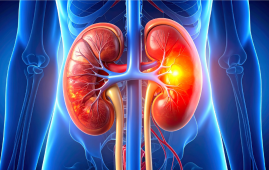 Diabetic Kidney Disease: Combo Therapy Targets Zombie Cells
Key Points Researchers from Mayo Clinic.
 Dance for Healthy Aging: Study Highlights Benefits
Key Points at a Glance A.
 Advanced Prostate Cancer and Serial ctDNA Analysis
Key Takeaways Serial liquid biopsies using.
Leave a Comment