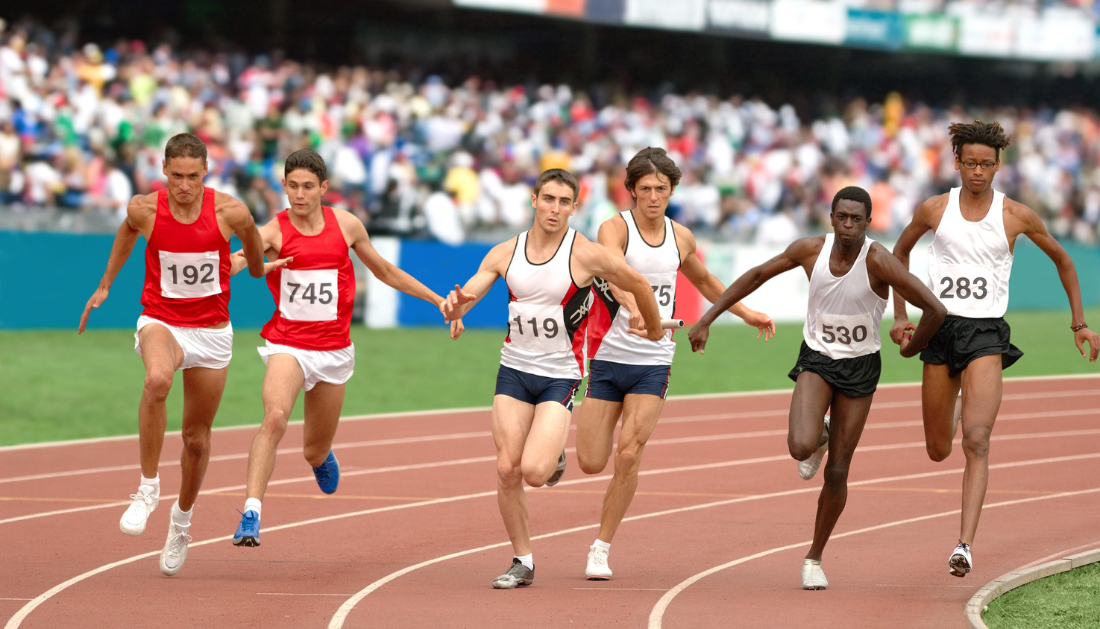
Creatine & β-Alanine in Athletes: Performance Benefits Reviewed

A new systematic review offers insights into one of sports nutrition’s most debated combinations, creatine and β-alanine co-supplementation. The analysis of seven randomized controlled trials (RCTs) reveals potential benefits for athletes engaged in repeated, high-intensity exercise, while also clarifying when this stack offers no added advantage over creatine alone.
Creatine monohydrate has long been recognized as a cornerstone ergogenic aid, enhancing ATP regeneration and power output in short-duration, explosive activities. β-alanine, on the other hand, increases intramuscular carnosine, improving pH buffering and delaying muscle fatigue caused by acidosis. Together, these complementary mechanisms suggest a potential for sports supplementation synergy.
The review, published in Nutrients, found that co-supplementation enhanced repeated sprint performance and anaerobic power, with studies like Okudan et al. reporting improved mean power output and reduced fatigue index during Wingate tests. These findings support its application in HIIT, combat sports, and other intermittent high-intensity activities where sustaining peak performance is critical.
Interestingly, the review concluded that while co-supplementation supports high-intensity exercise performance, it offers little to no additional benefit for maximal strength outcomes, aerobic endurance, or body composition compared to creatine monohydrate alone. Some trials noted modest lean body mass changes in resistance-trained athletes, but overall results were inconsistent.
For sports nutrition strategies, this highlights the need for tailoring supplement protocols to training demands. Athletes prioritizing repeated-bout activities may gain meaningful advantages, whereas those focusing on pure strength or endurance might see diminishing returns from stacking β-alanine with creatine.
For HCPs, athletic trainers, and sports nutritionists, the review underscores the importance of evidence-based supplementation plans. Creatine and β-alanine co-supplementation is best suited for athletes exposed to repeated, high-intensity workloads where both ATP regeneration and buffering capacity are performance-limiting factors.
The findings reinforce the need for periodized supplementation, aligning ergogenic aids with sport-specific energy systems and training phases. Additionally, the absence of significant gains in aerobic capacity or long-term body composition shifts suggests co-supplementation should not be universally prescribed but integrated selectively based on athletic profile and competition demands.

 Hypertensive Disorders of Pregnancy: Role of Daily Activity
Key Points Summary Limiting sedentary time.
 Climate Change Drives Dengue Outbreaks Globally
Key Takeaways Extreme weather significantly increases.
 PFK Enzyme Dual Role in Metabolism and Cell Cycle
Key Highlights Phosphofructokinase (PFK Enzyme) shows.
 Food Tolerance Mechanism: How T Cells Prevent Allergies
Key Summary Researchers at Stanford University.
 Endometriosis Screening Tool May Cut Diagnosis Delays
Key Points Researchers from the University.
 Diabetic Kidney Disease: Combo Therapy Targets Zombie Cells
Key Points Researchers from Mayo Clinic.
 Dance for Healthy Aging: Study Highlights Benefits
Key Points at a Glance A.
 Breast Cancer Prognosis Linked to High-Fat Diet
Key Points A high-fat diet accelerated.
 Advanced Prostate Cancer and Serial ctDNA Analysis
Key Takeaways Serial liquid biopsies using.
 Tuberculosis Breakthrough with Experimental Antibiotics
Key Takeaways Experimental antibiotics disrupt a.
Leave a Comment