PCOS and Ketogenic Diets: Weight and Insulin Findings

Polycystic ovary syndrome (PCOS) remains the most prevalent endocrine disorder among women of reproductive age, frequently associated with insulin resistance, obesity, hyperandrogenism, and metabolic risk. Lifestyle modification, particularly weight management, continues to be a cornerstone of PCOS management.
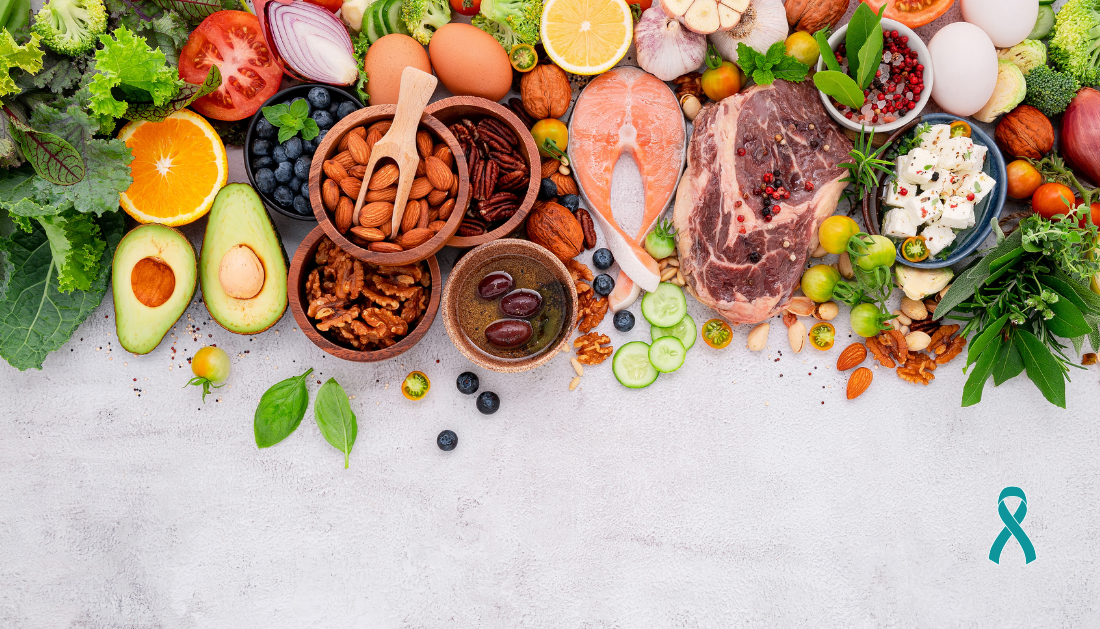
The ketogenic diet, defined by very low carbohydrate intake, moderate protein, and high fat consumption, has demonstrated benefits in improving insulin sensitivity and reducing adiposity in type 2 diabetes. Given the shared metabolic pathways between diabetes and PCOS, researchers are increasingly examining whether carbohydrate restriction can support PCOS-related metabolic and hormonal outcomes.
The systematic review evaluated 15 studies, including randomized controlled trials and cohort studies, with 10 included in quantitative meta-analysis. Most participants had a BMI above 25 kg/m², reflecting the metabolic phenotype commonly seen in PCOS.
Yes, pooled data showed significant reductions in HOMA-IR and fasting insulin levels following ketogenic dietary interventions, particularly among overweight individuals.
However, outcome variability was substantial, driven by differences in study design, duration, dietary adherence, and baseline metabolic health.
For clinicians managing PCOS with obesity and insulin resistance, ketogenic diets may offer short-term metabolic support, primarily mediated by weight loss rather than ketosis alone. Importantly, improvements in biochemical markers do not yet translate into strong evidence for fertility or long-term reproductive outcomes.
Current evidence is insufficient. Adverse events and sustainability were inconsistently reported, and most studies lasted only weeks to a few months.
While ketogenic diets may be considered for carefully selected PCOS patients, particularly those with metabolic dysfunction, clinicians should individualize recommendations and monitor adherence, lipid changes, and nutritional adequacy. Long-term randomized trials are essential before KD can be routinely integrated into PCOS dietary guidelines.

 Stroke Rehabilitation: Early High-Intensity Therapy Findings
Key Highlights High-intensity therapy within 2.
 TRPM8 Cold Sensation Mechanism Explained for Pain Care
Quick Summary TRPM8 ion channel converts.
 Gum Recession from Snus Confirmed, Caries Risk Debated
Key Highlights Snus use is strongly.
 Hypertensive Disorders of Pregnancy: Role of Daily Activity
Key Points Summary Limiting sedentary time.
 Climate Change Drives Dengue Outbreaks Globally
Key Takeaways Extreme weather significantly increases.
 Teen Driving Risks: Parents Underestimate Safety Threats
Key Takeaways Teen driving risks remain.
 PFK Enzyme Dual Role in Metabolism and Cell Cycle
Key Highlights Phosphofructokinase (PFK Enzyme) shows.
 Exercise During Chemotherapy Supports Brain Health
Key Points Summary A nationwide clinical.
 Invasive Cosmetic Procedures Raise Patient Safety Concerns
Key Summary Experts publishing in The.
 Food Tolerance Mechanism: How T Cells Prevent Allergies
Key Summary Researchers at Stanford University.
Leave a Comment