
Image by Freepik

Previous research has shown that insomnia is widespread among people who are addicted to alcohol. Because alcohol affects sleep and can prolong insomnia symptoms, abstaining from alcohol is recommended as the first step toward better sleep. However, many patients continue to battle with sleep disruptions after abstinence, lowering the likelihood of treatment completion and increasing the risk of relapse.
“We wanted to test the feasibility and efficacy of CBT with individuals early in their treatment for alcohol use disorder,” said lead researcher Mary Beth Miller, PhD, assistant professor of psychiatry at the University of Missouri. “The typical standard of care is to wait to provide CBT for insomnia to patients with alcohol use disorder until they are abstinent from alcohol for four weeks. We wanted to see if CBT could improve insomnia symptoms and reduce alcohol-related harm before abstinence from alcohol use was established.”
The research team recruited 67 veterans in a VA addiction treatment program to engage in a randomized clinical trial in partnership with the Harry S. Truman Veterans Affairs hospital in Columbia, Missouri. The veterans met the criteria for sleeplessness and alcoholism. Participants were randomly randomized to either five weekly sessions of CBT or one single session of sleep hygiene treatment, which entailed a research therapist proposing adjustments to participants’ evening routines, such as coffee limitation.
CBT is an organized, non-medication-based therapy that teaches people about their symptoms, why they occur, and how to avoid them in the future. It is frequently used to treat mental health conditions such as depression or anxiety. Participants in CBT for insomnia learn how insomnia arises, the variables that maintain their symptoms, and how to avoid sleeplessness in the future.
CBT outperformed sleep hygiene in reducing insomnia severity in Miller’s trial, and this improvement in insomnia lowered individuals’ alcohol use, cravings, and negative alcohol-related behaviors over time. This is an important discovery since it contradicts existing advice to delay CBT insomnia treatment until patients have abstained from alcohol for four weeks or longer.
“CBT not only reduced insomnia symptoms among adults in early alcohol recovery – it also reduced the problems they experienced from drinking,” said Dr. Miller. “We shouldn’t wait until people are abstinent to provide evidence-based treatment. We should give them the treatment they need when they’re open to it.”

 Gamma Oscillations Restored in Alzheimer’s Disease Mice
Key takeaways Researchers restored parvalbumin (PV).
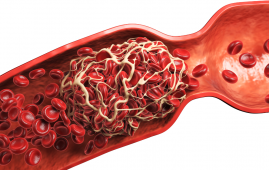 Coffee Consumption Linked to Lower Recurrent VTE Risk
Key points at a glance Study.
 Body Roundness Index Linked to Higher Heart Attack Risk
Key findings at a glance Study.
 Maternal Diet Fails to Reduce Infant Egg and Peanut Allergy
Key Points A large Australian randomized.
 Visual Impairment Linked to Higher Dementia Risk
Key findings at a glance A.
 Long-Acting HIV Treatment May Help Drug-Resistant Cases
Key Takeaways A UCSF study found.
 Night Shift Work Alters Key Circadian Gene Expression
A recent study published in Frontiers.
 Tirzepatide Weight Loss: Fat Mass and Muscle Findings
Key points Tirzepatide was associated with.
 Coffee and Gut Microbiome: Brewing and Metabolic Effects
Key Points Coffee contains caffeine, chlorogenic.
 Low-Dose Radiation Therapy Shows Promise in Early Knee OA
Key Points Low-dose radiation therapy was.
Leave a Comment