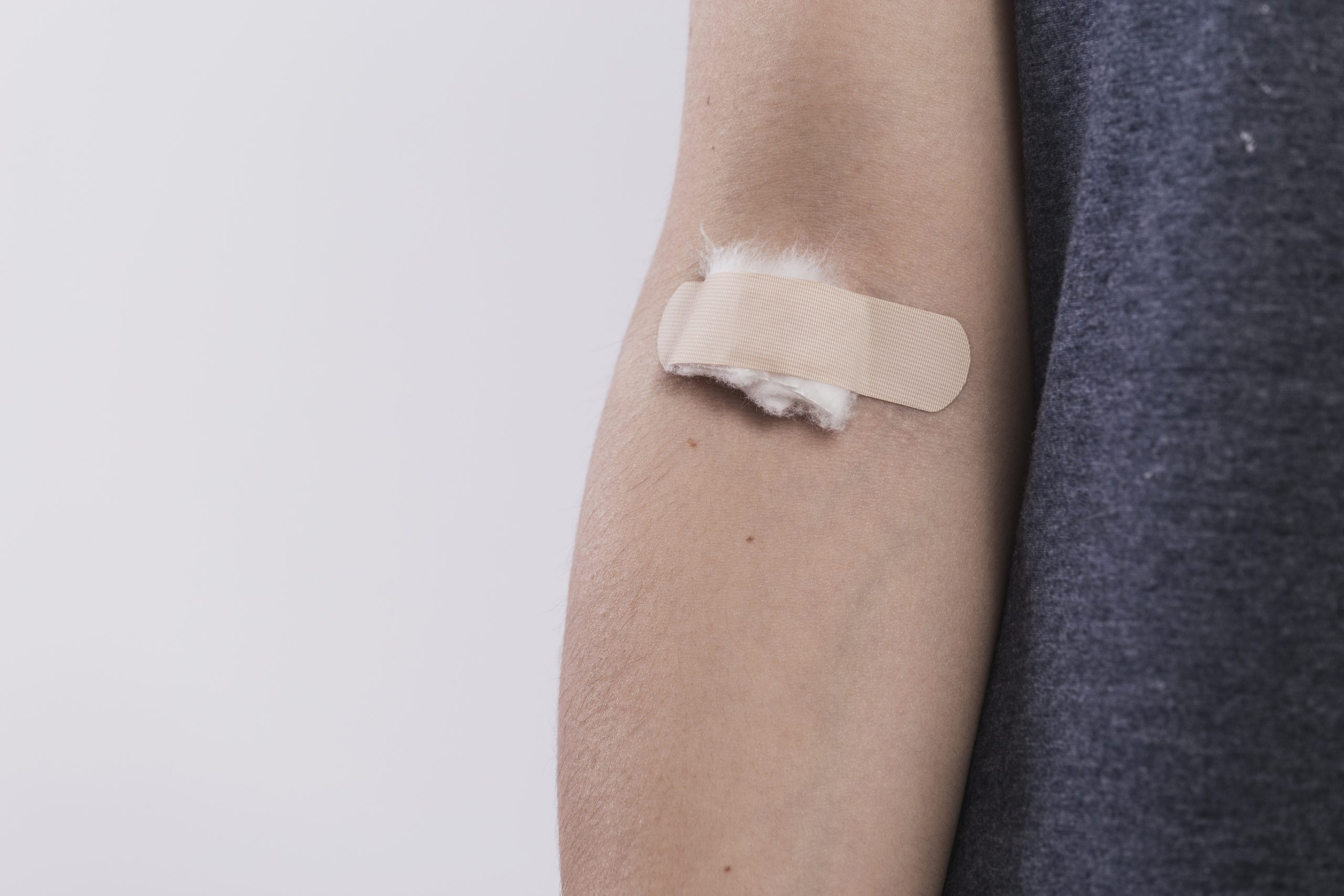
Image by Freepik

Silver retains antimicrobial activity longer when impregnated into “bioactive glass,” according to researchers at the University of Birmingham, and they have demonstrated for the first time how this promising combination provides more long-lasting antimicrobial wound protection than conventional alternatives.
Bioactive glasses are a distinct class of silicone-based synthetic biomaterials that have long been utilized in bone grafting.
Silver has long been known to inhibit or reduce the establishment of biofilms (communities of bacteria) in open wounds, and silver-based treatments are becoming more popular due to their effectiveness against many antibiotic-resistant strains of bacteria. These antimicrobial properties rely on silver remaining in an ionic form so that it can penetrate bacterial cell walls and disrupt their life cycle, but silver ions or nanoparticles in wound dressings are prone to transforming to silver sulfide or silver chloride, which can reduce antimicrobial activity and hinder treatment success.
The researchers evaluated the effects of bioactive glass doped with ionic silver on biofilms formed by Pseudomonas aeruginosa, a multi-drug resistant bacteria that easily forms biofilms and is a common cause of infection in chronic wounds.
The study, published in the journal Biofilm, demonstrated that specific preparation, storage, and application strategies can reduce the transition of silver ions to silver chloride and so retain antibacterial efficacy.
The Birmingham team already has extensive experience with bioactive glass, which is currently utilized as a bioactive degradable graft material. The width and density of the glass fibers to stimulate tissue growth are essential characteristics of bioactive glass in this application.
The researchers are eager to speak with companies who want to collaborate or co-develop solutions for dental surgery or wound care.
Dr. Sam Moxon, a postdoctoral researcher with the Birmingham team, has been researching the usage of these novel materials in dental surgery and wound care. He recently completed a program called ICURe (Innovation to Commercialization of University Research), and the team is now working to move the material toward clinical approval.
Dr. Moxon will present this research at the UK Society for Biomaterials annual meeting in Belfast on June 21st. He will also give a keynote address at the Future Investigators in Regenerative Medicine annual conference in Spain in September, where he will discuss his Birmingham research and the team’s plans to develop their promising novel biomaterials.

 Gamma Oscillations Restored in Alzheimer’s Disease Mice
Key takeaways Researchers restored parvalbumin (PV).
 Coffee Consumption Linked to Lower Recurrent VTE Risk
Key points at a glance Study.
 Body Roundness Index Linked to Higher Heart Attack Risk
Key findings at a glance Study.
 Maternal Diet Fails to Reduce Infant Egg and Peanut Allergy
Key Points A large Australian randomized.
 Visual Impairment Linked to Higher Dementia Risk
Key findings at a glance A.
 Long-Acting HIV Treatment May Help Drug-Resistant Cases
Key Takeaways A UCSF study found.
 Night Shift Work Alters Key Circadian Gene Expression
A recent study published in Frontiers.
 Tirzepatide Weight Loss: Fat Mass and Muscle Findings
Key points Tirzepatide was associated with.
 Coffee and Gut Microbiome: Brewing and Metabolic Effects
Key Points Coffee contains caffeine, chlorogenic.
 Low-Dose Radiation Therapy Shows Promise in Early Knee OA
Key Points Low-dose radiation therapy was.
Leave a Comment