Circadian Control of Neutrophils Reduces Heart Damage

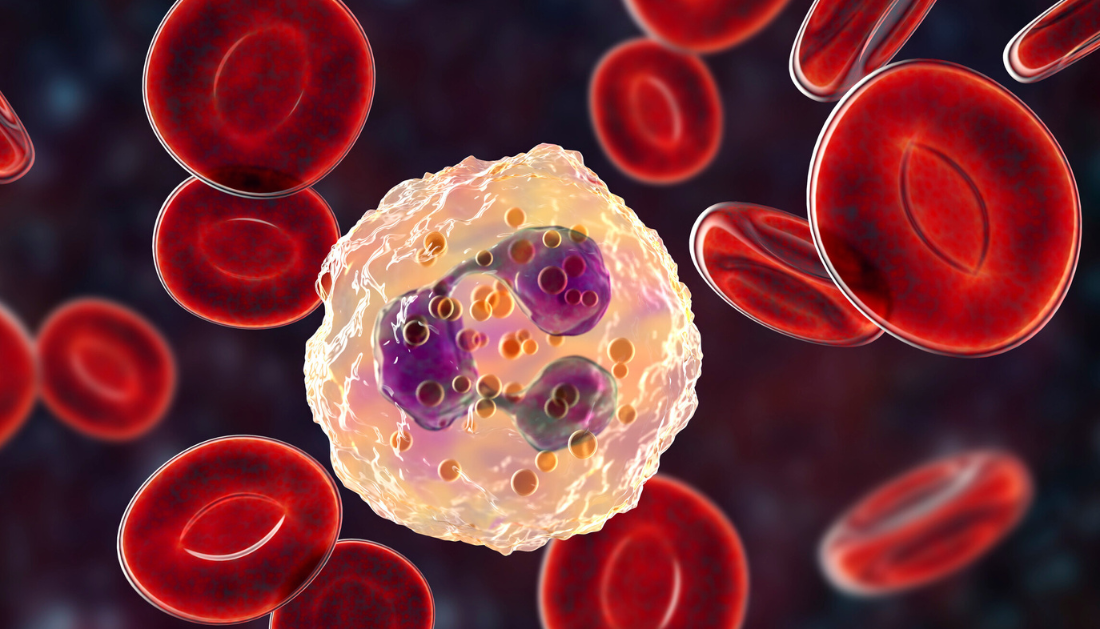
Circadian control of neutrophils has emerged as a critical determinant of inflammatory injury after myocardial infarction (MI). In a study published in the Journal of Experimental Medicine, researchers identified a circadian immune checkpoint that regulates neutrophil activation and tissue positioning, significantly limiting collateral heart damage after ischemia-reperfusion injury.
Neutrophils are essential first responders, but their cytotoxic activity can worsen sterile inflammation, particularly in cardiac tissue. The study highlights how neutrophil behaviour changes across the day-night cycle, offering a new lens through which to understand circadian patterns in myocardial injury observed in both experimental models and clinical settings.
Using a murine MI model, researchers demonstrated that infarct size varied markedly by time of day. Daytime ischemic injury resulted in larger infarcts, while nighttime injury was associated with reduced myocardial damage. Importantly, depleting neutrophils eliminated these circadian differences without affecting immune cell recruitment, underscoring neutrophils as key drivers of time-dependent injury.
Human data supported these findings. In a retrospective analysis of over 2,000 MI patients, higher neutrophil counts at admission correlated with increased troponin levels and more substantial diurnal variation in cardiac injury. Patients with lower neutrophil counts showed blunted or absent circadian injury patterns, reinforcing the link between neutrophils and myocardial damage.
Mechanistically, the neutrophil circadian clock, regulated by the transcription factor BMAL1, was shown to control basal activation states and intravascular behaviour. Disabling this clock protected mice from myocardial tissue death, even though systemic circadian rhythms remained intact.
The study identified CXCR4 and its ligand CXCL12 as a protective circadian checkpoint. Nighttime CXCL12 signalling through CXCR4 shifted neutrophils into a less damaging state. Pharmacologic activation of CXCR4 using the experimental agonist ATI2341 reproduced this effect, reducing myocardial injury and vascular inflammation without lowering neutrophil counts.
Notably, CXCR4 agonism repositioned neutrophils to injury sites while limiting spillover into healthy tissue, a natural nighttime defense mechanism. Crucially for clinicians, antimicrobial responses against Staphylococcus aureus and Candida albicans remained intact, addressing concerns about infection risk.
This discovery positions circadian neutrophil regulation as a promising therapeutic strategy for myocardial infarction, ischemia-reperfusion injury, and other inflammatory conditions. By selectively limiting neutrophil-mediated collateral damage, rather than suppressing immunity, CXCR4-targeted approaches may offer safer anti-inflammatory interventions aligned with circadian biology.

 Stroke Rehabilitation: Early High-Intensity Therapy Findings
Key Highlights High-intensity therapy within 2.
 TRPM8 Cold Sensation Mechanism Explained for Pain Care
Quick Summary TRPM8 ion channel converts.
 Gum Recession from Snus Confirmed, Caries Risk Debated
Key Highlights Snus use is strongly.
 Hypertensive Disorders of Pregnancy: Role of Daily Activity
Key Points Summary Limiting sedentary time.
 Climate Change Drives Dengue Outbreaks Globally
Key Takeaways Extreme weather significantly increases.
 Teen Driving Risks: Parents Underestimate Safety Threats
Key Takeaways Teen driving risks remain.
 PFK Enzyme Dual Role in Metabolism and Cell Cycle
Key Highlights Phosphofructokinase (PFK Enzyme) shows.
 Exercise During Chemotherapy Supports Brain Health
Key Points Summary A nationwide clinical.
 Invasive Cosmetic Procedures Raise Patient Safety Concerns
Key Summary Experts publishing in The.
 Food Tolerance Mechanism: How T Cells Prevent Allergies
Key Summary Researchers at Stanford University.
Leave a Comment