
STUDY: Teen sleep schedules disrupted by high carbs and sedentary behavior, raising concerns about circadian misalignment and its impact on overall health.

A recent study that will be presented at the SLEEP 2024 annual meeting discovered a connection between teen sedentary activity and carbohydrate consumption and circadian misalignment, which is very common in teenagers.
The findings indicate that eating more carbs was strongly correlated with a later sleep schedule and that this correlation was largely explained by erratic sleep schedules. Even after accounting for factors including demographics, sleep disorders, and inadequate sleep, a later sleep pattern was still linked to higher levels of sedentary behavior.
Delaying sleep schedules is normal during puberty and adolescence; however, some adolescents delay their sleep schedule to the extent that they become misaligned with the day-night cycle, their social schedules, and responsibilities. Our data supports that this lack of alignment may be associated with inadequate diet and physical activity, further contributing to the obesity epidemic and poor cardiometabolic health.” – Julio Fernandez-Mendoza, principal investigator, professor and clinical psychologist at Penn State College of Medicine in Hershey, Pennsylvania
377 teenagers from the Penn State Child Cohort participated in the study; they underwent at least three nights of actigraphy at home and one night of polysomnography in the lab. Their sleep regularity and midpoint were calculated with the use of these tests. Actigraphy was also used to monitor physical activity, and a survey was used to gauge carbohydrate intake.
Sleep is vital to health, according to the American Academy of Sleep Medicine, and healthy sleep necessitates sufficient length, high quality, proper scheduling and regularity, and the absence of sleep disorders or disruptions. Adolescents and young adults are more likely to have a delayed sleep schedule, which is defined by sleep timing that is later than typical or socially acceptable timing.
Fernandez-Mendoza pointed out that adolescents’ health depends on appropriate circadian alignment.
“Circadian misalignment of the sleep-wake cycle, and its associated variability in sleep duration, should be an integral part of interventions targeting poor dietary choices and sedentarism in youth,” Fernandez-Mendoza said.
The National Institutes of Health provided money for this study. The study abstract will be presented on Wednesday, June 5, at SLEEP 2024 in Houston. It was just published online in a supplement to the journal Sleep.
For more information: 0165 Association of Circadian Misalignment with Diet and Physical Activity in Adolescents, Sleep, https://doi.org/10.1093/sleep/zsae067.0165

 Brain-Computer Interface Uses EEG in Unresponsive Patients
Key findings at a glance Mind-controlled.
 Gamma Oscillations Restored in Alzheimer’s Disease Mice
Key takeaways Researchers restored parvalbumin (PV).
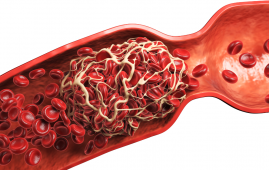 Coffee Consumption Linked to Lower Recurrent VTE Risk
Key points at a glance Study.
 Body Roundness Index Linked to Higher Heart Attack Risk
Key findings at a glance Study.
 Maternal Diet Fails to Reduce Infant Egg and Peanut Allergy
Key Points A large Australian randomized.
 Visual Impairment Linked to Higher Dementia Risk
Key findings at a glance A.
 Long-Acting HIV Treatment May Help Drug-Resistant Cases
Key Takeaways A UCSF study found.
 Night Shift Work Alters Key Circadian Gene Expression
A recent study published in Frontiers.
 Tirzepatide Weight Loss: Fat Mass and Muscle Findings
Key points Tirzepatide was associated with.
 Coffee and Gut Microbiome: Brewing and Metabolic Effects
Key Points Coffee contains caffeine, chlorogenic.
Leave a Comment