
Coffee and Cognitive Function: What Clinicians Should Know

A new narrative review in Cureus examines whether coffee truly enhances cognition, protects the brain, and supports memory. The evidence shows potential benefits, but also reinforces that the mechanisms remain unclear and effects vary widely by dose, preparation, and individual metabolism.
Coffee and cognitive function are among the most widely studied relationships in nutrition and neuroscience. The long-debated link between coffee and cognitive function continues to attract clinical interest. According to a review of 109 peer-reviewed studies, coffee may support alertness, reaction time, learning, memory accuracy, and mood. These findings apply not only to caffeine but also to the broader chemical profile of coffee.
However, the authors caution that most available data are observational, with outcomes influenced by coffee type, brewing method, dosing, and individual caffeine metabolism.
Animal and human data indicate that several coffee constituents, including caffeine and polyphenols, interact with pathways tied to learning, memory, and synaptic remodeling. Studies point toward enhanced long-term potentiation (LTP), improved vigilance, and better neural efficiency.
Yet the dose matters: high or continuous caffeine intake may impair hippocampal LTP, underscoring a narrow therapeutic window.
Coffee’s interaction with adenosine receptors, especially A2A, remains a leading mechanistic explanation. These pathways modulate neuronal excitability, inflammation, and energy balance, factors central to neurodegenerative diseases such as Parkinson’s and Alzheimer’s. Population-level studies show slower cognitive decline among habitual coffee drinkers, particularly women, though hormonal and metabolic variations make interpretation challenging.
Clinical trials show that coffee berry extract, apple polyphenols, and combinations of herbal compounds (such as sage or ginseng) may enhance alertness, reduce fatigue, and improve mood, sometimes independent of caffeine dose. Increased cerebral blood flow seen in some trials hints at a vascular or antioxidant contribution.
Coffee may also indirectly support cognition by reducing chronic pain perception through caffeine’s analgesic effects. Meanwhile, coffee’s impact on stress and sleep appears individualized; habitual drinkers often adapt without major disruptions to sleep architecture.
Overall, coffee appears safe for most adults, may support memory and neuroprotection, and contributes to mood and attention improvements. But its true mechanisms, and optimal intake, remain unclear due to variations in bean type, preparation, metabolism, and genetic factors.
For HCPs, this review highlights meaningful trends but underscores the need for well-controlled clinical studies before drawing definitive conclusions.
Pergolizzi, J.V., Tenenbaum, J.T., Pergolizzi, C., LeQuang, J.A.K. (2025). Neurocognitive and Neurological Effects of Coffee and Caffeine: A Narrative Review. Cureus 17(10): e94742. DOI: 10.7759/cureus.94742, https://www.cureus.com/articles/407421-neurocognitive-and-neurological-effects-of-coffee-and-caffeine-a-narrative-review

 Brain-Computer Interface Uses EEG in Unresponsive Patients
Key findings at a glance Mind-controlled.
 Gamma Oscillations Restored in Alzheimer’s Disease Mice
Key takeaways Researchers restored parvalbumin (PV).
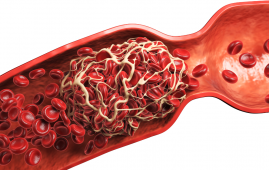 Coffee Consumption Linked to Lower Recurrent VTE Risk
Key points at a glance Study.
 Body Roundness Index Linked to Higher Heart Attack Risk
Key findings at a glance Study.
 Maternal Diet Fails to Reduce Infant Egg and Peanut Allergy
Key Points A large Australian randomized.
 Visual Impairment Linked to Higher Dementia Risk
Key findings at a glance A.
 Long-Acting HIV Treatment May Help Drug-Resistant Cases
Key Takeaways A UCSF study found.
 Epilepsy Drugs May Interact With Hormonal Contraceptives
Key points: Nearly one-third of people.
 Night Shift Work Alters Key Circadian Gene Expression
A recent study published in Frontiers.
 Tirzepatide Weight Loss: Fat Mass and Muscle Findings
Key points Tirzepatide was associated with.
Leave a Comment