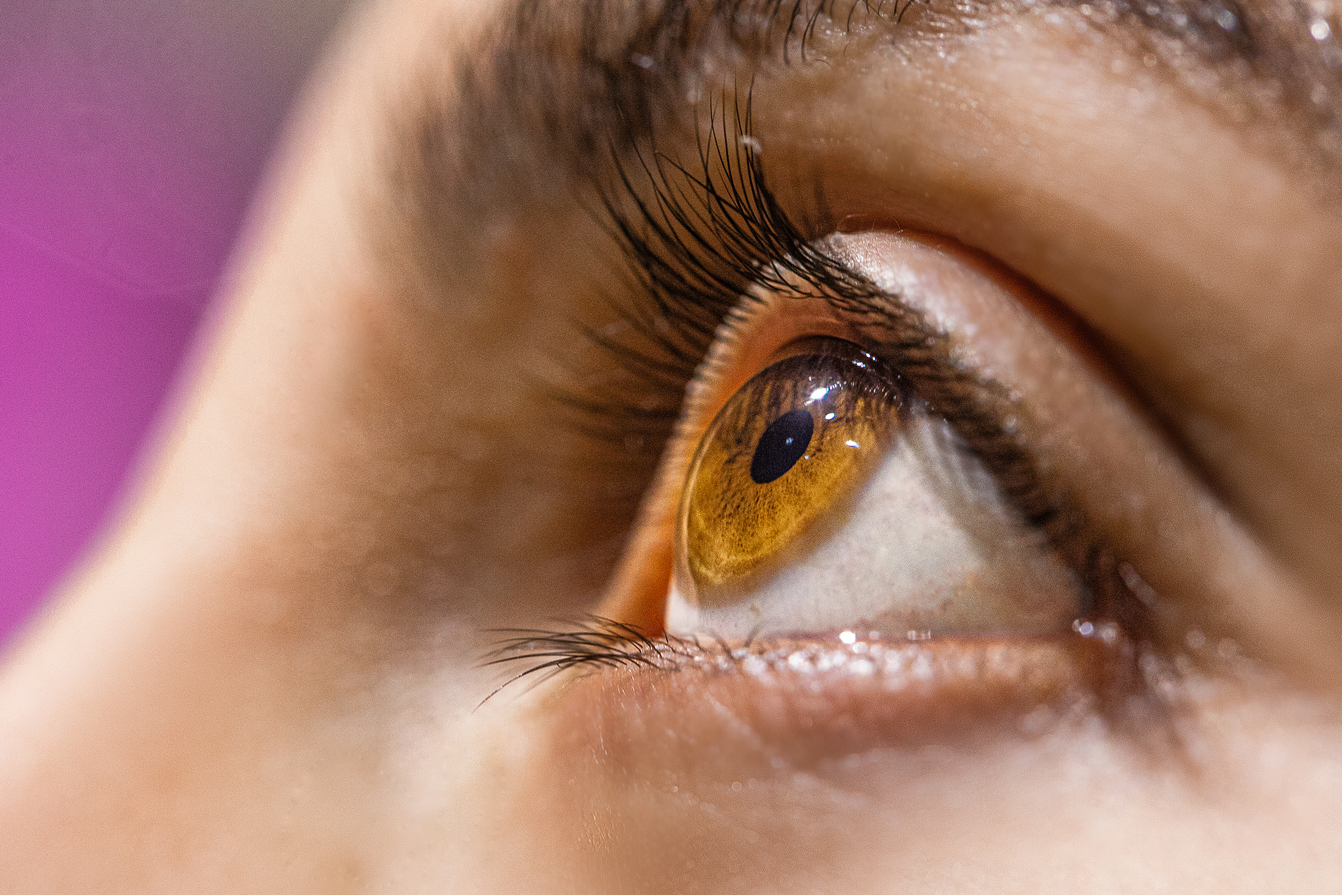
Image by azerbaijan_stockers on Freepik

Have you ever made a spectacular catch, such as saving a phone from a toilet or catching an indoor cat from fleeing outside? Those abilities, such as the ability to grasp a moving object, necessitate precise interactions inside and between our visual and motor systems. Researchers at the University of Rochester’s Del Monte Institute for Neuroscience discovered that the capacity to visually foresee movement may be a crucial aspect of making successful eye-hand coordination resulting catch—or grabbing a moving object.
“We were able to develop a method that allowed us to analyze behaviors in a natural environment with high precision, which is important because, as we showed, behavioral patterns differ in a controlled setting,” said Kuan Hong Wang, Ph.D., a Dean’s Professor of Neuroscience at the University of Rochester Medical Center.
Wang led the study, which was published today in Current Biology in collaboration with Jude Mitchell, Ph.D., assistant professor of Brain and Cognitive Sciences at the University of Rochester, and Luke Shaw, a graduate student in the Neuroscience Graduate Program at the University of Rochester School of Medicine & Dentistry. “Understanding how natural behaviors work will provide us with a better understanding of what is wrong in a variety of neurological disorders.”
Researchers recorded where the primate is looking as well as the movement of the arm and hand as it reaches and catches moving crickets using numerous high-speed cameras and DeepLabCut—an AI technology that leverages video data to pinpoint important areas on the hand and arm to measure movements. The researchers discovered an 80-millisecond delay in the animal’s visuomotor behavior—the instant when vision and movement sync up to drive the hand toward the target.
Despite the measured delay, the primates caught the crickets, implying that they had to anticipate the cricket’s movement. The researchers were able to develop a thorough model of vision directed reaching behavior using data from both monkeys and crickets.
“These findings allow us to identify unique behavioral control strategies for mechanistic studies and engineering applications,” said Wang. “Visuomotor control problems exist in many neurological disorders due to brain lesions, stroke, and genetic factors. This research may help develop computational behavior analysis strategies to precisely characterize behavioral alterations in naturalistic settings and understand their underlying causes.”

 Brain-Computer Interface Uses EEG in Unresponsive Patients
Key findings at a glance Mind-controlled.
 Gamma Oscillations Restored in Alzheimer’s Disease Mice
Key takeaways Researchers restored parvalbumin (PV).
 Coffee Consumption Linked to Lower Recurrent VTE Risk
Key points at a glance Study.
 Body Roundness Index Linked to Higher Heart Attack Risk
Key findings at a glance Study.
 Maternal Diet Fails to Reduce Infant Egg and Peanut Allergy
Key Points A large Australian randomized.
 Visual Impairment Linked to Higher Dementia Risk
Key findings at a glance A.
 Long-Acting HIV Treatment May Help Drug-Resistant Cases
Key Takeaways A UCSF study found.
 Night Shift Work Alters Key Circadian Gene Expression
A recent study published in Frontiers.
 Tirzepatide Weight Loss: Fat Mass and Muscle Findings
Key points Tirzepatide was associated with.
 Coffee and Gut Microbiome: Brewing and Metabolic Effects
Key Points Coffee contains caffeine, chlorogenic.
Leave a Comment