

The FDA has approved a new indication for Wegovy (semaglutide) injection to lower the risk of cardiovascular mortality, heart attack, and stroke in individuals with cardiovascular disease and obese patients. Wegovy should be used in conjunction with a low-calorie diet and increased physical exercise. Cardiovascular disease refers to a set of disorders affecting the heart and blood vessels.
“Wegovy is now the first weight loss medication to be approved to help prevent life-threatening cardiovascular events in adults with cardiovascular disease and either obesity or overweight,” said John Sharretts, M.D., director of the FDA’s Division of Diabetes, Lipid Disorders, and Obesity. “This patient population is at a higher risk for cardiovascular mortality, heart attack, and stroke. “Providing a treatment option that has been proven to reduce this cardiovascular risk is a significant step forward for public health.”
Obesity or overweight, affects over 70% of American adults. Obese and overweight are major health conditions that increase the chance of premature death and a range of other health problems, such as heart attack and stroke.
Wegovy contains semaglutide, which is a glucagon-like peptide-1 (GLP-1) receptor agonist. Wegovy should not be used in conjunction with other semaglutide-containing medicines or GLP-1 receptor agonists.
Wegovy’s prescribing material includes a boxed warning that informs health care professionals and patients about the risk of thyroid C-cell tumors. Wegovy should not be used in patients who have a personal or family history of medullary thyroid cancer or who have a rare disorder known as Multiple Endocrine Neoplasia Syndrome type 2.
Wegovy should not be used in patients who have had a severe adverse reaction to semaglutide or any of the other components. Patients should discontinue Wegovy immediately and seek medical attention if a serious allergic reaction is detected.
Wegovy also includes cautions for pancreatic inflammation (pancreatitis), gallbladder difficulties (including gallstones), low blood sugar, acute renal injury, hypersensitivity reactions, diabetic retinopathy (retinal damage), elevated heart rate, and suicidal behavior or thinking. If patients experience symptoms of pancreatitis or gallstones, they should consult their doctor. If Wegovy is combined with insulin or a drug that causes insulin production, patients should see their doctor about the risk of low blood sugar. Patients should be monitored for renal disease, diabetic retinopathy, depression, or suicidal thoughts.
Wegovy’s most common side effects include nausea, diarrhea, vomiting, constipation, abdominal (stomach) pain, headache, fatigue, dyspepsia (indigestion), dizziness, abdominal distension, eructation (belching), hypoglycemia (low blood sugar) in diabetes patients, flatulence (gas buildup), and gastroesophageal reflux disease (heartburn).

more recommended stories
 Gamma Oscillations Restored in Alzheimer’s Disease Mice
Key takeaways Researchers restored parvalbumin (PV).
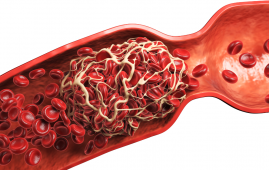 Coffee Consumption Linked to Lower Recurrent VTE Risk
Key points at a glance Study.
 Body Roundness Index Linked to Higher Heart Attack Risk
Key findings at a glance Study.
 Maternal Diet Fails to Reduce Infant Egg and Peanut Allergy
Key Points A large Australian randomized.
 Visual Impairment Linked to Higher Dementia Risk
Key findings at a glance A.
 Long-Acting HIV Treatment May Help Drug-Resistant Cases
Key Takeaways A UCSF study found.
 Night Shift Work Alters Key Circadian Gene Expression
A recent study published in Frontiers.
 Tirzepatide Weight Loss: Fat Mass and Muscle Findings
Key points Tirzepatide was associated with.
 Coffee and Gut Microbiome: Brewing and Metabolic Effects
Key Points Coffee contains caffeine, chlorogenic.
 Low-Dose Radiation Therapy Shows Promise in Early Knee OA
Key Points Low-dose radiation therapy was.
Leave a Comment