Largest Cannabis Brain Study Finds Memory Impairment

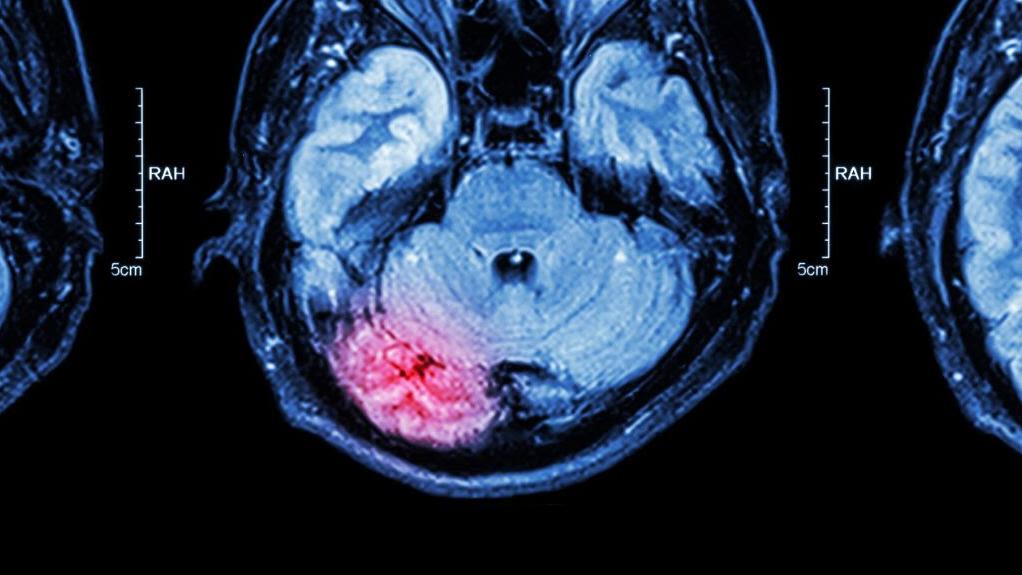
Traumatic brain injury (TBI) is a leading cause of death and long-term disability in young people. However, research in this area remains limited in particular due to a lack of data concerning head injuries sustained by the young population. An innovative longitudinal study designed and conducted by The Podium Institute is harnessing advanced magnetic resonance imaging (MRI) techniques to uncover why some children recover worse than others after they have sustained a head injury, for instance through playing sport.
In emergency departments, clinical assessments such as computerised tomography (CT) scans focus on detecting life-threatening injuries. However, many children with a normal-looking CT scan still experience lasting symptoms, highlighting that important aspects of brain injury may be missed on standard imaging.
Using advanced MRI techniques, this new study will explore various aspects of brain damage, including injury to nerve fibres, disruptions in brain metabolism, and changes in functional connectivity between brain regions. These sophisticated neuroimaging measures will be combined with cognitive testing along with self- and parent-reported information on head injuries. The aim is to identify key MRI biomarkers that can reliably predict both clinical recovery and sports-related outcomes, such as time to return to sport.
Mr Tim Lawrence (Nuffield Department of Clinical Neurosciences, Oxford University), consultant paediatric neurosurgeon and one of the study’s lead researchers, explained, ‘With growing concern regarding a potential link between mild or repetitive traumatic brain injury and long-term cognitive difficulties or even early dementia, there is a pressing need to identify the types of traumatic injuries that may pose a risk. Our study is a step towards better understanding of the mechanisms that underpin damage to the brains of children and adolescents suffering injury.’
Read the full story on the University of Oxford website.

 Gamma Oscillations Restored in Alzheimer’s Disease Mice
Key takeaways Researchers restored parvalbumin (PV).
 Coffee Consumption Linked to Lower Recurrent VTE Risk
Key points at a glance Study.
 Body Roundness Index Linked to Higher Heart Attack Risk
Key findings at a glance Study.
 Maternal Diet Fails to Reduce Infant Egg and Peanut Allergy
Key Points A large Australian randomized.
 Visual Impairment Linked to Higher Dementia Risk
Key findings at a glance A.
 Long-Acting HIV Treatment May Help Drug-Resistant Cases
Key Takeaways A UCSF study found.
 Night Shift Work Alters Key Circadian Gene Expression
A recent study published in Frontiers.
 Tirzepatide Weight Loss: Fat Mass and Muscle Findings
Key points Tirzepatide was associated with.
 Coffee and Gut Microbiome: Brewing and Metabolic Effects
Key Points Coffee contains caffeine, chlorogenic.
 Low-Dose Radiation Therapy Shows Promise in Early Knee OA
Key Points Low-dose radiation therapy was.
Leave a Comment