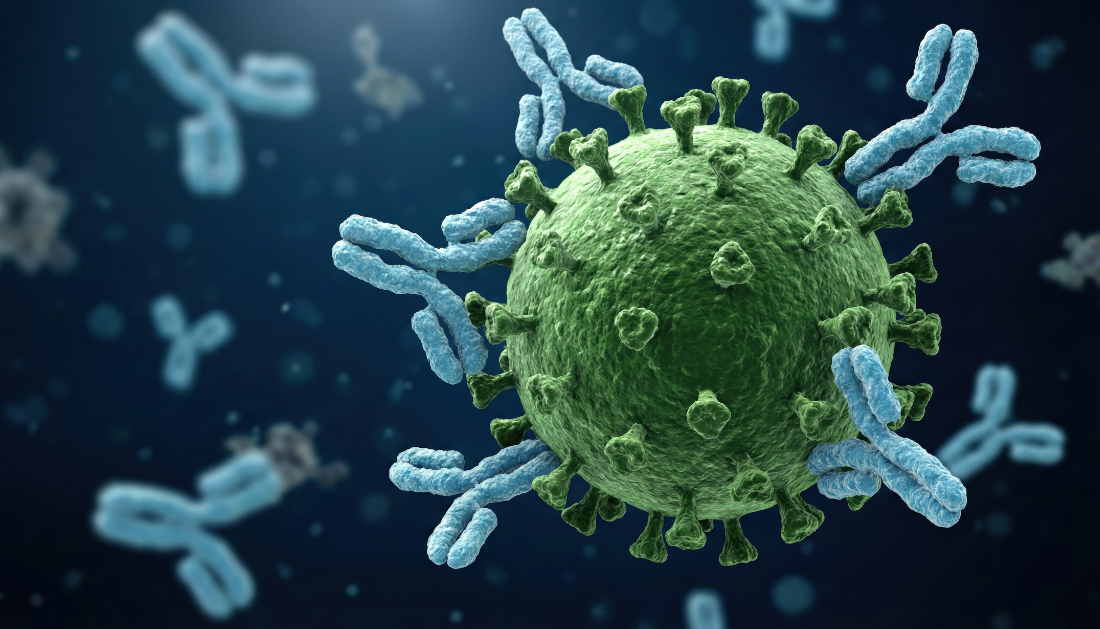
Human Antibody Drug Response Prediction Platform

Human Antibody Drug response prediction has long relied on laboratory assays, animal models, and non-human primates. While essential, these systems often fail to reflect how the human immune system responds to therapeutic antibodies, especially Immunoglobulin G (IgG).
A key issue lies in the Fc domain of antibodies, which interacts with Fc gamma (Fcγ) receptors on immune cells. These receptors differ significantly between humans and animals, meaning antibodies can behave safely in preclinical testing but trigger harmful immune reactions in patients. This mismatch has contributed to late-stage clinical failures, unexpected toxicities, and increased development costs.
One well-documented example is anti-CD40L antibody therapy, which appeared safe in early testing but later caused fatal clotting events in humans, risks invisible in traditional mouse models.
Researchers from VIB and Ghent University (UGent), in collaboration with European biotech partners, have now introduced a human Fcγ receptor–accurate mouse model that more closely mirrors human immune responses to antibody drugs.
Using a precise genetic knock-in strategy, the model replicates how human immune cells, including macrophages, neutrophils, and platelets, interact with antibody therapies. Importantly, it captures human-specific platelet activation, a critical mechanism behind antibody-induced thrombosis that standard models miss.
Unlike earlier humanized mice, this platform reflects dynamic receptor expression during inflammation, offering a more realistic view of antibody behavior across disease states such as cancer, autoimmune disorders, and inflammatory conditions.
Validated across multiple disease models, the platform enables head-to-head comparison of antibody candidates, ranking them by true biological effect rather than misleading surrogate outcomes. It allows researchers to:
For healthcare professionals and nurses involved in clinical research, this means more reliable translation from bench to bedside. For the industry, improved predictability reduces late-stage failures and aligns with FDA expectations for advanced preclinical models.
As antibody therapies continue to shape modern medicine, this platform offers a safer, clearer path toward patient-ready treatments, rooted in human antibody drug response prediction, not approximation.

 Stroke Risk Linked to Low Birthweight, Not Adult BMI
Key Points Low birthweight is associated.
 Physical Activity Guidelines Gap: Walking is Insufficient
Quick Summary Walking remains the most.
 Breast Cancer Risk Rises with Aging Tissue Changes
Key Highlights A 3-million-cell atlas reveals.
 Type 2 Diabetes Risk Rising in Genetically Susceptible
Quick Summary Rising type 2 diabetes.
 Female Microbiome Shaped by Diet, Stress, Unhealthy Lifestyle
Quick Summary Lifestyle factors significantly influence.
 Transcatheter Valve-in-Valve Improves Mitral Outcomes
Key Highlights Transcatheter mitral valve-in-valve (mVIV).
 Stroke Rehabilitation: Early High-Intensity Therapy Findings
Key Highlights High-intensity therapy within 2.
 TRPM8 Cold Sensation Mechanism Explained for Pain Care
Quick Summary TRPM8 ion channel converts.
 Gum Recession from Snus Confirmed, Caries Risk Debated
Key Highlights Snus use is strongly.
 Hypertensive Disorders of Pregnancy: Role of Daily Activity
Key Points Summary Limiting sedentary time.
Leave a Comment