
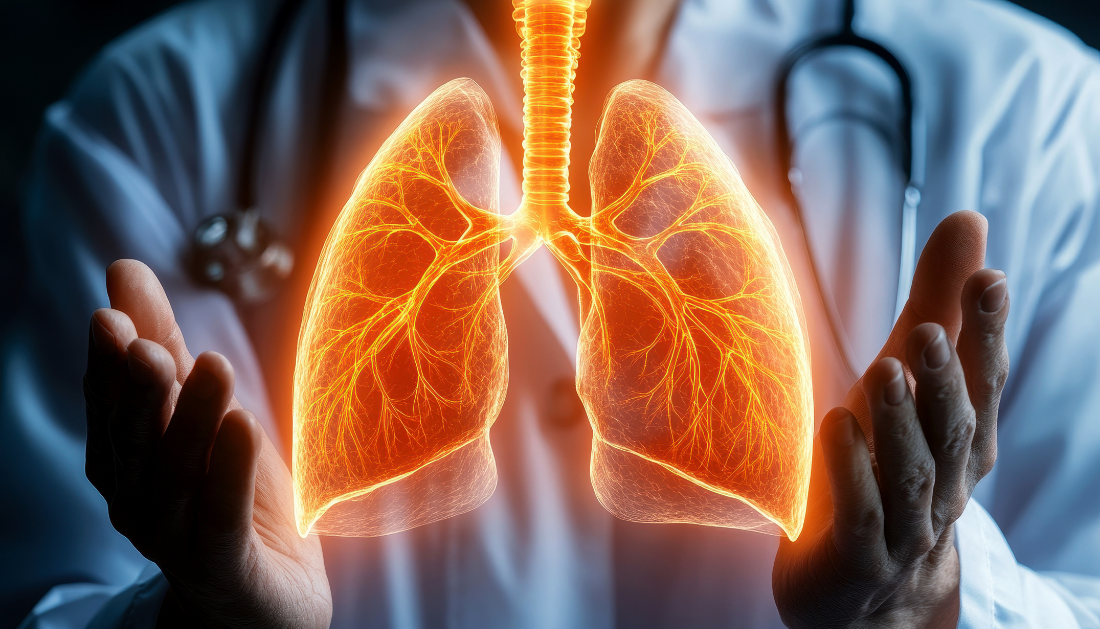
According to a new analysis by researchers at the Johns Hopkins Kimmel Cancer Center, patients with operable non-small cell lung tumors may fare better over the following few years if they receive immunotherapy treatments both before and after surgery rather than just before.
Researchers compared the health outcomes of 139 participants in the CheckMate 77T trial, in which patients received up to four cycles of nivolumab plus chemotherapy before surgery and up to 13 cycles of nivolumab after surgery, with those of 147 participants in the CheckMate 816 study, in which patients received three cycles of the immunotherapy nivolumab plus chemotherapy before surgery (neoadjuvant). After surgery, they kept an eye on the patients for up to four years.
Patients who received at least one dose of nivolumab after immunotherapy/chemotherapy and surgery had a 40% lower risk of mortality or disease recurrence following surgery. Whatever the initial cancer stage of the patients, a comparable effect was observed. Less than 1% tumor expression of the protein PD-L1, which permits cells to evade an immune system attack, was associated with a higher reduction in disease recurrence and death as compared to individuals with 1% or higher expression. Patients who did not experience a full pathological response—that is, the absence of cancer cells—after pre-surgical treatment and surgery were found to benefit from immunotherapy both before and after surgery.
On September 8, a Sunday, these findings were presented at the 2024 World Conference on Lung Cancer held in San Diego by the IASLC (International Association for the Study of Lung Cancer).
“There’s been a big migration in lung cancer and in melanoma treatment in the last few years from doing surgery upfront and giving postoperative immunotherapy, to giving immunotherapy prior to surgery,” explains Patrick Forde, M.B.B.Ch., an adjunct professor of oncology at the Johns Hopkins University School of Medicine. “But our analysis in individual patients in these two trials suggests that there is likely a further benefit from receiving additional immunotherapy treatment after surgery.”
Source Link: The Johns Hopkins University

more recommended stories
 Brain-Computer Interface Uses EEG in Unresponsive Patients
Key findings at a glance Mind-controlled.
 Gamma Oscillations Restored in Alzheimer’s Disease Mice
Key takeaways Researchers restored parvalbumin (PV).
 Coffee Consumption Linked to Lower Recurrent VTE Risk
Key points at a glance Study.
 Body Roundness Index Linked to Higher Heart Attack Risk
Key findings at a glance Study.
 Maternal Diet Fails to Reduce Infant Egg and Peanut Allergy
Key Points A large Australian randomized.
 Visual Impairment Linked to Higher Dementia Risk
Key findings at a glance A.
 Long-Acting HIV Treatment May Help Drug-Resistant Cases
Key Takeaways A UCSF study found.
 Night Shift Work Alters Key Circadian Gene Expression
A recent study published in Frontiers.
 Tirzepatide Weight Loss: Fat Mass and Muscle Findings
Key points Tirzepatide was associated with.
 Coffee and Gut Microbiome: Brewing and Metabolic Effects
Key Points Coffee contains caffeine, chlorogenic.
Leave a Comment