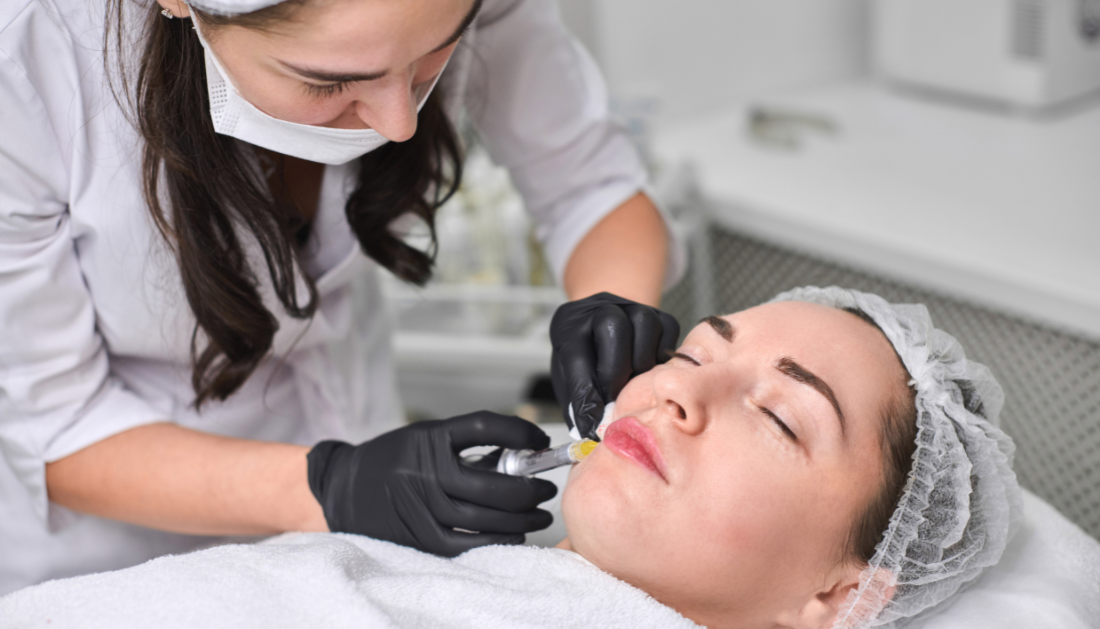
Global Growth of Invasive Cosmetic Procedures Raises Alarm

The number of invasive cosmetic procedures continues to rise worldwide. As a result, healthcare experts warn about increasing safety risks and regulatory gaps.
In an analysis published in The BMJ, researchers urge governments to introduce stronger regulations. They believe stricter oversight can reduce complications and protect patients seeking aesthetic treatments.
The global cosmetic procedure market is expanding quickly. Experts estimate it may exceed $180 billion by 2033. However, this growth also raises concerns about patient safety.
Researchers led by Danielle Griffiths from the University of Liverpool note that many procedures occur in poorly regulated settings. In addition, weak reporting systems often hide the true number of complications.
Invasive cosmetic procedures involve inserting medical instruments or devices into the body. Common examples include breast augmentation and tummy tuck surgery.
Non-surgical procedures also remain popular. These include Botox injections and dermal fillers. Clinicians often describe them as minimally invasive.
However, many non-surgical treatments are becoming more complex. Therefore, the difference between surgical and non-surgical procedures is becoming less clear.
Deaths from cosmetic treatments remain rare. Nevertheless, complications occur more often than before.
For example, Botox injections may cause inflammation, dry eyes, anxiety, nerve injury, or vision problems. Surgical procedures may cause other complications. These include wound separation, infections, and seromas, which are fluid-filled pockets under the skin.
In addition, many patients travel abroad for cosmetic treatments. This practice is known as cosmetic tourism. Unfortunately, some patients return with complications that require treatment in public healthcare systems.
Researchers highlight that complications from private cosmetic procedures are often underreported, partly because there is no unified national reporting system.
In the United Kingdom, proposals have been introduced to regulate non-surgical cosmetic procedures. However, implementation remains slow and regulatory gaps persist.
Experts therefore recommend several policy actions:
They also recommend adopting regulatory models similar to those implemented in countries such as Australia, which aim to reduce unsafe procedures and limit medical tourism risks.
For healthcare professionals, these findings highlight the importance of clear clinical governance, patient counseling, and evidence-based standards in aesthetic medicine.

 Prenatal Smoking Raises Risk of Child Mental Disorders
Key Summary Prenatal smoking is associated.
 Physical Activity Guidelines Gap: Walking is Insufficient
Quick Summary Walking remains the most.
 Breast Cancer Risk Rises with Aging Tissue Changes
Key Highlights A 3-million-cell atlas reveals.
 Type 2 Diabetes Risk Rising in Genetically Susceptible
Quick Summary Rising type 2 diabetes.
 Female Microbiome Shaped by Diet, Stress, Unhealthy Lifestyle
Quick Summary Lifestyle factors significantly influence.
 Transcatheter Valve-in-Valve Improves Mitral Outcomes
Key Highlights Transcatheter mitral valve-in-valve (mVIV).
 Stroke Rehabilitation: Early High-Intensity Therapy Findings
Key Highlights High-intensity therapy within 2.
 TRPM8 Cold Sensation Mechanism Explained for Pain Care
Quick Summary TRPM8 ion channel converts.
 Gum Recession from Snus Confirmed, Caries Risk Debated
Key Highlights Snus use is strongly.
 Hypertensive Disorders of Pregnancy: Role of Daily Activity
Key Points Summary Limiting sedentary time.
Leave a Comment