
Study: Prenatal experience with language shapes the brain

A group of neuroscientists from the University of Padua, Italy, collaborated with a colleague from CNRS and Université Paris Cité and uncovered evidence indicating that the language spoken by mothers during pregnancy affects the neural development of babies in the womb. The findings were published in the journal Science Advances.
The researchers conducted experiments with newborns fitted with EEG caps to monitor their brain activity. They played recordings of a person reading different language versions of “Goldilocks and the Three Bears” to 33 newborns and their French-speaking mothers. The EEG readings showed increased long-range temporal correlations in babies exposed to the French story, suggesting a unique impact of prenatal language exposure on brain development. Detrended fluctuation analysis revealed that the temporal correlations were strongest in the theta band, associated with speech perception.
The study also found that the babies’ neural response was most pronounced when the story was read in French, indicating the role of prenatal language exposure in their brain development.
For more information: Benedetta Mariani et al, Prenatal experience with language shapes the brain, Science Advances (2023). DOI: 10.1126/sciadv.adj3524

 Gamma Oscillations Restored in Alzheimer’s Disease Mice
Key takeaways Researchers restored parvalbumin (PV).
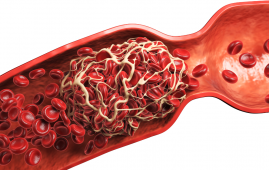 Coffee Consumption Linked to Lower Recurrent VTE Risk
Key points at a glance Study.
 Body Roundness Index Linked to Higher Heart Attack Risk
Key findings at a glance Study.
 Maternal Diet Fails to Reduce Infant Egg and Peanut Allergy
Key Points A large Australian randomized.
 Visual Impairment Linked to Higher Dementia Risk
Key findings at a glance A.
 Long-Acting HIV Treatment May Help Drug-Resistant Cases
Key Takeaways A UCSF study found.
 Night Shift Work Alters Key Circadian Gene Expression
A recent study published in Frontiers.
 Tirzepatide Weight Loss: Fat Mass and Muscle Findings
Key points Tirzepatide was associated with.
 Coffee and Gut Microbiome: Brewing and Metabolic Effects
Key Points Coffee contains caffeine, chlorogenic.
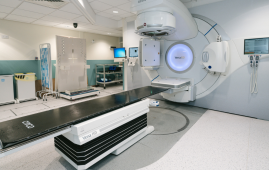 Low-Dose Radiation Therapy Shows Promise in Early Knee OA
Key Points Low-dose radiation therapy was.
Leave a Comment