
Image by Freepik

High-grade serous ovarian carcinoma (HGSOC) is the most fatal epithelial ovarian cancer (EOC) and is frequently detected late in its progression. Surgery followed by pathological evaluation is the most reliable technique to identify EOC in women with a known pelvic mass, and there are no good screening tools in asymptomatic women. In the current investigation, Clinical Cancer Research created a cfDNA methylation liquid biopsy to determine the risk of early-stage HGSOC.
Epithelial ovarian cancer (EOC) is a cancer that is linked with significant morbidity and high mortality rates, owing to its frequent appearance in an advanced stage . When identified late-stage, high-grade serous ovarian carcinoma (HGSOC), the most prevalent histology of EOC, is the most fatal gynecologic cancer, with a 5-year survival rate of 40% or fewer. Only around 15% of women who have a suspicious tumor will be diagnosed with stage I cancer. Early diagnosis of EOCs is associated with much better results, with significantly increased five-year survival rates for stage I and stage II cancers compared to stage III and IV illness .
Early-stage EOC symptoms are either nonexistent or nonspecific, and are frequently associated with more common benign gynecological and gastrointestinal conditions (e.g., uterine fibroids, endometriosis, benign ovarian tumors, inflammatory bowel disease), as well as physiological processes (e.g., menstruation, ovulation). Furthermore, around 20% of the 300,000 women who undergo surgery for a pelvic mass each year will have an EOC, with the remainder being diagnosed with a benign tumor .
The researchers used reduced representation bisulfite sequencing to discover differentially methylated regions (DMRs) in HGSOC compared to normal ovarian and fallopian tube tissue. Following that, they captured hybridization probes for 1677 DMRs and built a classifier (OvaPrintTM) on a separate set of cfDNA samples to distinguish HGSOC from benign masses. Researchers also examined a variety of non-HGSOC EOC samples, including low-grade and borderline samples, to determine the generalizability of OvaPrint. This study included 372 samples (59 tissue samples and 313 plasma samples).
OvaPrint outperformed other commercial tests with a positive predictive value of 95% and a negative predictive value of 88% for distinguishing HGSOC from benign masses. OvaPrint was less sensitive for non-HGSOC EOC, although it could be useful in identifying low-grade and borderline lesions with increased malignant potential.
The current study sought to develop and evaluate OvaPrint, a cfDNA methylation liquid biopsy that can be used to assess the risk of HGSOC. The new study differs from past attempts to create risk and screening indicators for EOC in several crucial aspects. First, our research focused on HGSOC, avoiding a catch-all method that is laden with statistical and biological issues. Second, they strongly weighted stage I cancers in the feature finding and validation processes. Third, to account for the differences, researchers employed both normal fallopian tube and ovarian tissue as controls. Fourth, OvaPrint they created to be used in risk assessment, both symptomatic and non-symptomatic women with asymptomatic pelvic masses. Fifth, the team took into account the variability within HGSOC. Finally, they performed rigorous validation of the assay. OvaPrint is a highly effective combination of technologies a sensitive and specific assay for early risk assessment and eventual screening of HGSOC.
For more information: OvaPrint™ – a cell-free DNA methylation liquid biopsy for the risk assessment of high-grade serous ovarian cancer, Clinical Cancer Research, AACR Journals
https://doi.org/10.1158/1078-0432.CCR-23-1197

 Gamma Oscillations Restored in Alzheimer’s Disease Mice
Key takeaways Researchers restored parvalbumin (PV).
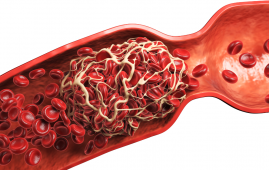 Coffee Consumption Linked to Lower Recurrent VTE Risk
Key points at a glance Study.
 Body Roundness Index Linked to Higher Heart Attack Risk
Key findings at a glance Study.
 Maternal Diet Fails to Reduce Infant Egg and Peanut Allergy
Key Points A large Australian randomized.
 Visual Impairment Linked to Higher Dementia Risk
Key findings at a glance A.
 Long-Acting HIV Treatment May Help Drug-Resistant Cases
Key Takeaways A UCSF study found.
 Night Shift Work Alters Key Circadian Gene Expression
A recent study published in Frontiers.
 Tirzepatide Weight Loss: Fat Mass and Muscle Findings
Key points Tirzepatide was associated with.
 Coffee and Gut Microbiome: Brewing and Metabolic Effects
Key Points Coffee contains caffeine, chlorogenic.
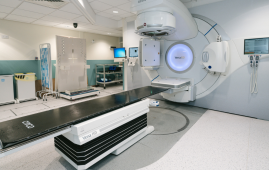 Low-Dose Radiation Therapy Shows Promise in Early Knee OA
Key Points Low-dose radiation therapy was.
Leave a Comment