
Image by Freepik

An international team of scientists has discovered a relationship between major depressive disorder (MDD) and the interaction of the gut microbiota and the blood metabolome. The scientists analyzed data from the UK Biobank for their study, which was published in the journal JAMA Psychiatry.
Prior research has shown a correlation between MDD and gut biome issues, but little work has been done to verify a link, and current studies were too small to show any true linkages. The researchers attempted to perform a far broader analysis of any such linkages in this latest effort by reviewing data from the UK Biobank—a vast collection of health and genetic information for approximately 500,000 patients in the United Kingdom.
In numerous models, the researchers used regression analysis to examine for connections between data from NMR spectroscopy tests that evaluated metabolite levels and reported levels of depression. They also regressed microbial signatures on the metabolic profiles of people with MDD. Such bidirectional testing enabled the direction of the relationship between MDD and metabolite measures to be determined. Patients with current and lifetime MDD were compared to patients with no history of MDD.
According to their findings, patients diagnosed with lifelong MDD were relatively young and more likely to be female. They were also able to detect links between 49 tricarboxylic acid cycle metabolites and those diagnosed with MDD.
They also discovered changes in fatty acid levels between people with MDD and controls. They point out that the bacteria participating in such activities are also important in the maintenance of chemical levels such as butyrate, glutamate, serotonin, and gamma-aminobutyric acid, all of which have been linked to long-term depression.
According to the researchers, their findings indicate that some components of the metabolic system associated with energy are disrupted in people with MDD. They also mention that the findings suggest that the interaction between the blood metabolome and the gut microbiome may have a role in lipid metabolism in MDD patients.

 Brain-Computer Interface Uses EEG in Unresponsive Patients
Key findings at a glance Mind-controlled.
 Gamma Oscillations Restored in Alzheimer’s Disease Mice
Key takeaways Researchers restored parvalbumin (PV).
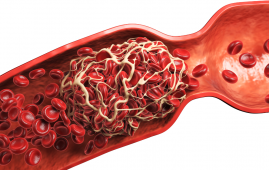 Coffee Consumption Linked to Lower Recurrent VTE Risk
Key points at a glance Study.
 Body Roundness Index Linked to Higher Heart Attack Risk
Key findings at a glance Study.
 Maternal Diet Fails to Reduce Infant Egg and Peanut Allergy
Key Points A large Australian randomized.
 Visual Impairment Linked to Higher Dementia Risk
Key findings at a glance A.
 Long-Acting HIV Treatment May Help Drug-Resistant Cases
Key Takeaways A UCSF study found.
 Night Shift Work Alters Key Circadian Gene Expression
A recent study published in Frontiers.
 Tirzepatide Weight Loss: Fat Mass and Muscle Findings
Key points Tirzepatide was associated with.
 Coffee and Gut Microbiome: Brewing and Metabolic Effects
Key Points Coffee contains caffeine, chlorogenic.
Leave a Comment