
STUDY: Multi-omics analysis reveals a potential new target for lung cancer treatment in patients who have never smoked, focusing on the estrogen signaling pathway.

Smoking is the main cause of lung cancer. On the other hand, lung cancer has become more common among those who have never smoked, particularly in women. Targeted therapies, which target mutations in proteins like EGFR and ALK, are prescribed to about 80% of patients with lung cancer who have never smoked. The remaining patients, however, frequently receive cytotoxic chemotherapy, which has significant side effects and a low response rate. This underscores the critical need for targeted therapies. Using multi-omics analysis, Drs. Lee Cheolju and Kim Seon-Young of the Chemical Life Convergence Research Center at the Korea Institute of Science and Technology (KIST), Han Ji-Youn of the National Cancer Center, and Kim Seon-Young of the Korea Research Institute of Bioscience and Biotechnology have clarified the overexpression of estrogen signaling pathways in particular Korean never-smoking lung cancer cases and suggested the anti-cancer drug saracatinib as a targeted therapeutic agent. Multi-omics unifies different molecular data; proteomics has a special difficulty since it must evaluate small amounts of proteins—typically microgram-scale—without losing any information.
Driver mutations of genes known to be related to cancer, such as STK11 and ERBB2, were found in the tissues of never-smoking lung cancer patients, according to analysis of genetic alterations and cellular signaling pathways. Furthermore, despite the overexpression of the estrogen signaling system, the estrogen hormone receptors did not exhibit any notable alterations. Based on this, when given to cells with mutations in STK11 and ERBB2, saracatinib, a sub-estrogen signaling transduction protein inhibitor, demonstrated statistically significant (p<0.01) impacts on cell death as compared to the control group without such mutations.
Using this knowledge, the study team is creating a molecular diagnostic method to separate lung cancer patients who have never smoked from those who have particular expressions of estrogen signaling pathways. Together with the National Cancer Center, they also want to carry out preclinical studies to evaluate the therapeutic benefits of saracatinib on animal models of non-smoking lung cancer.
This successful case of discovering new therapeutic targets for refractory cancer through multi-omics analysis is based on purely domestic research and the collaborative efforts of hospitals and research institutions, which holds significant meaning. Building on this experience, we will lead the expansion of multi-omics research on human diseases.” – Dr. Lee Cheolju of KIST
The Ministry of Science and ICT, Korea, funded this study through the Bio-Medical Technology Development Program (2022M3H9A2096187) and the KIST’s primary programs. The study’s findings are available online in the most recent edition of the global journal Cancer Research (IF 11.2, JCR field 10.6%).
For more information: Proteogenomic Characterization Reveals Estrogen Signaling as a Target for Never-Smoker Lung Adenocarcinoma Patients without EGFR or ALK Alterations, Cancer Research, doi.org/10.1158/0008-5472.can-23-1551

 Brain-Computer Interface Uses EEG in Unresponsive Patients
Key findings at a glance Mind-controlled.
 Gamma Oscillations Restored in Alzheimer’s Disease Mice
Key takeaways Researchers restored parvalbumin (PV).
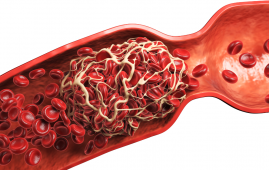 Coffee Consumption Linked to Lower Recurrent VTE Risk
Key points at a glance Study.
 Body Roundness Index Linked to Higher Heart Attack Risk
Key findings at a glance Study.
 Maternal Diet Fails to Reduce Infant Egg and Peanut Allergy
Key Points A large Australian randomized.
 Visual Impairment Linked to Higher Dementia Risk
Key findings at a glance A.
 Long-Acting HIV Treatment May Help Drug-Resistant Cases
Key Takeaways A UCSF study found.
 Night Shift Work Alters Key Circadian Gene Expression
A recent study published in Frontiers.
 Tirzepatide Weight Loss: Fat Mass and Muscle Findings
Key points Tirzepatide was associated with.
 Coffee and Gut Microbiome: Brewing and Metabolic Effects
Key Points Coffee contains caffeine, chlorogenic.
Leave a Comment