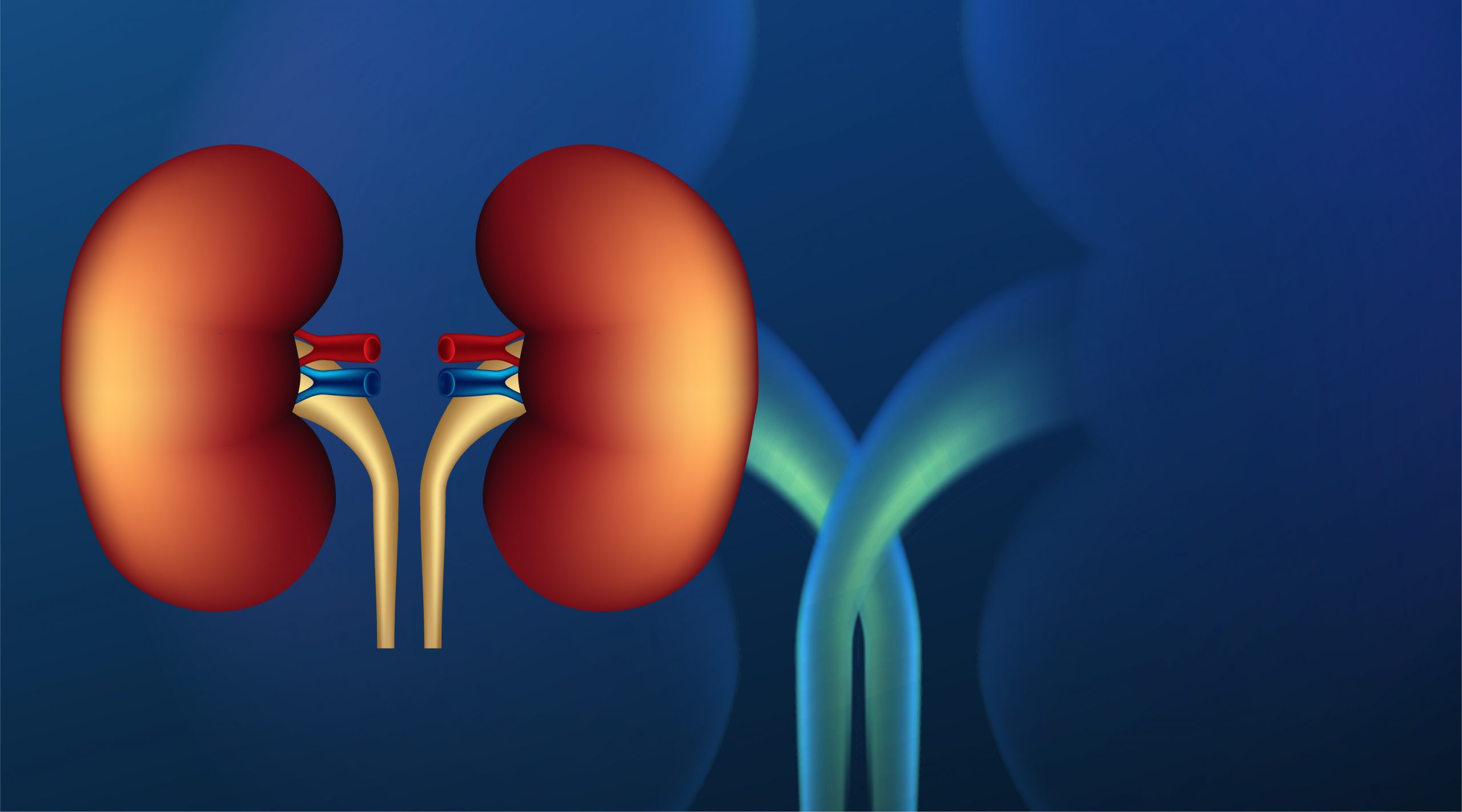
Image by WangXiNa on Freepik

The UC Davis Comprehensive Cancer Center participated in a phase III clinical research to explore if the anti-cancer medication everolimus helped persons with kidney cancer. The clinical study findings revealed that many patients with kidney cancer survived for several years after undergoing surgery to remove the tumour.
The study also found that in a group of individuals at high risk of relapse, everolimus may have kept them cancer-free for a longer period of time. The findings were reported in The Lancet on July 28.
Primo “Lucky” Lara, Jr., Director of the Cancer Center, was a key investigator in the SWOG Cancer Research Network’s phase III S0931 experiment, better known as the EVEREST study.
Lara is SWOG’s deputy group chair and was recently appointed co-chair elect of the National Cancer Institute’s (NCI) cancer clinical trials group. Christopher W. Ryan, a SWOG investigator and professor of medicine at Oregon Health & Science University, led the study.
The study included patients from roughly 400 cancer centers around the country, including several from UC Davis Comprehensive Cancer Center. For 54 weeks, they were given 10 milligrams of oral everolimus or a placebo.
“Improvement was seen primarily in patients with very high-risk disease, while patients with intermediate high-risk disease saw no improvement,” Lara said. “This encouraging observation warrants further study. We must continue our work to discover and test new agents to improve outcomes in people with kidney cancer.”
Everolimus belongs to a class of drugs known as mTOR inhibitors, which prevent the growth of malignant cells.
Similar medicines are already being utilized to enhance the results of other cancer patients who have undergone surgery, including breast cancer patients.
The EVEREST trial enrolled 1,545 patients with intermediate high-risk or very high-risk renal cell carcinoma (cancer of the lining of the kidney tubes). Their cancer had all been medically removed with a partial or radical nephrectomy (kidney removal).
“Recurrence of cancer in these patients ranges from 2% to 40% following surgery,” Lara said. “It is important to test active new agents as part of clinical trials after their surgery and before their cancer returns and spreads.”

 Gamma Oscillations Restored in Alzheimer’s Disease Mice
Key takeaways Researchers restored parvalbumin (PV).
 Coffee Consumption Linked to Lower Recurrent VTE Risk
Key points at a glance Study.
 Body Roundness Index Linked to Higher Heart Attack Risk
Key findings at a glance Study.
 Maternal Diet Fails to Reduce Infant Egg and Peanut Allergy
Key Points A large Australian randomized.
 Visual Impairment Linked to Higher Dementia Risk
Key findings at a glance A.
 Long-Acting HIV Treatment May Help Drug-Resistant Cases
Key Takeaways A UCSF study found.
 Night Shift Work Alters Key Circadian Gene Expression
A recent study published in Frontiers.
 Tirzepatide Weight Loss: Fat Mass and Muscle Findings
Key points Tirzepatide was associated with.
 Coffee and Gut Microbiome: Brewing and Metabolic Effects
Key Points Coffee contains caffeine, chlorogenic.
 Low-Dose Radiation Therapy Shows Promise in Early Knee OA
Key Points Low-dose radiation therapy was.
Leave a Comment