Image by Freepik

A protein called CEACAM1 protects the liver from harm throughout the transplantation process, potentially boosting transplant outcomes, according to research performed by UCLA. However, the characteristics that regulate this protective property are unknown.
A research team has identified the molecular factors at the root of this protection and demonstrated how using molecular tools and alternative gene splicing can make CEACAM1 more protective, reducing organ injury and ultimately improving post-transplant outcomes in a new study published online Aug. 2 in Science Translational Medicine.
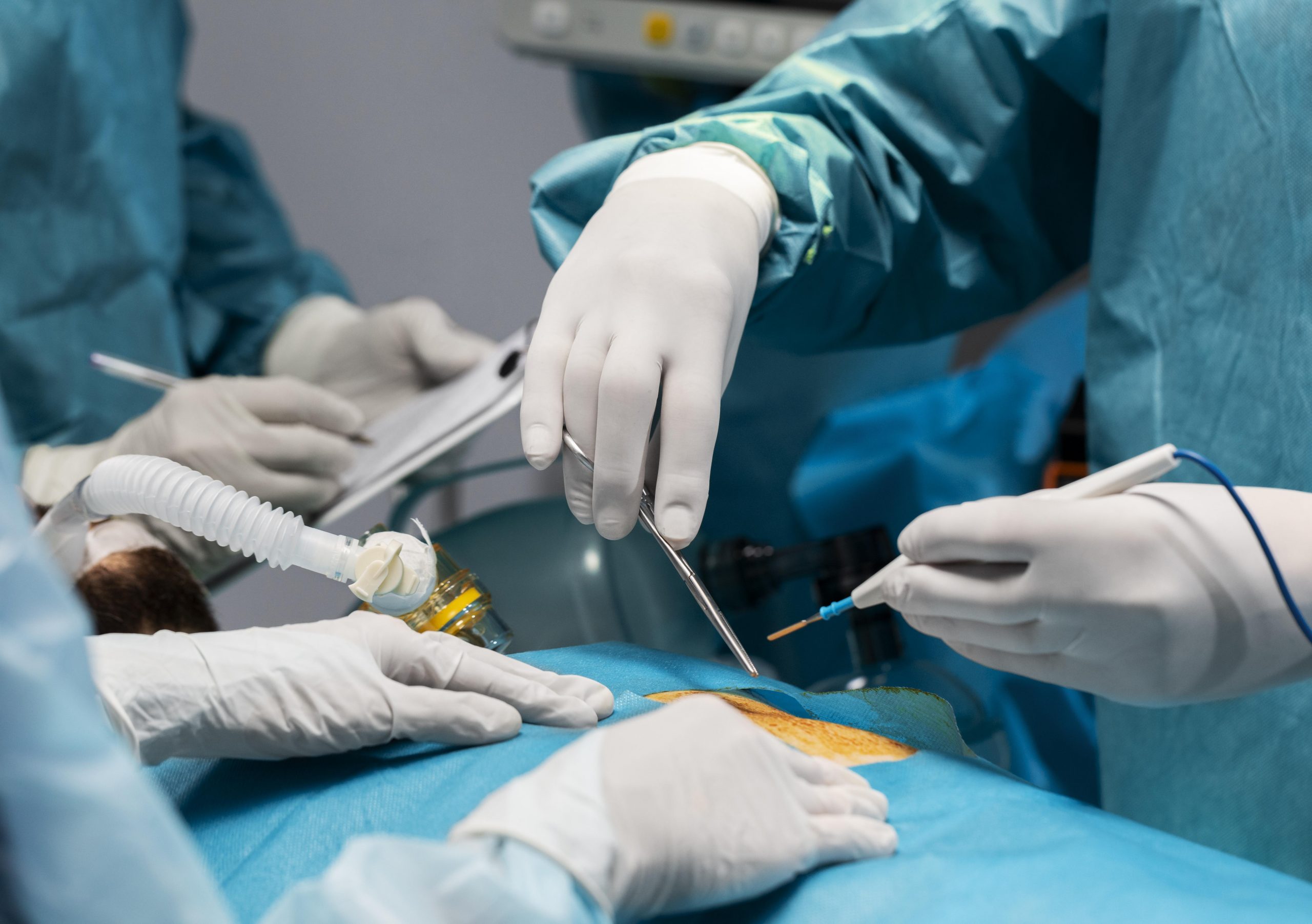
A solid organ, such as the liver, has no blood flow and thus no oxygen prior to transplantation. During transplantation, blood supply is restored to the organ, but this procedure can induce inflammation and tissue damage known as ischemia reperfusion injury, also known as reoxygenation injury.
“Understanding the factors that lead to organ shortage remains the best option to expand the donor pool available for life-saving transplantation,” said Kenneth Dery, an associate project scientist in the UCLA Department of Surgery and the study’s lead author. “Peri-transplant events, such as ischemia-reperfusion injury activate the recipient’s immune responses and negatively affect outcomes.
The researchers discovered that Hypoxia Inducible Factor 1 (HIF-1), which regulates oxygen consumption, had a key role in coordinating the activation of CEACAM1-S, a variant of CEACAM1 that reduces cellular harm and improves liver function in mice. They also discovered that the association between CEACAM1-S and HIF-1 in human donor livers predicts improved overall liver transplantation outcomes and immunological function.
The researchers discovered a new gene expression pathway that is activated by ischemia and oxygen stress. This method, known as alternative splicing, is an adaptation used by cells to increase protein diversity during times of danger, inflammation, and injury. The researchers demonstrated that when a cell detects low oxygen levels, HIF-1 begins regulating the RNA splicing factor Polypyrimidine tract-binding protein 1 (Ptbp1), which in turn directs the splicing of the CEACAM1 gene, resulting in the protective CEACAM1-S version that reduces the liver injury associated with transplantation.
Furthermore, in animal studies, the researchers utilized a chemical called DMOG to stabilize HIF-1 in vivo under normal oxygen conditions, which significantly increased the protective version of CEACAM1-S, providing a therapeutic proof-of-concept for future studies.
“These results suggest that CEACAM1-S may be a potential marker of liver quality and that efforts to increase its expression may have therapeutic benefits for transplantation or acute liver injury,” the researchers write.
The next stage will be to examine the perfusion of tissues from substandard human livers that were held in cold storage for a lengthy period of time in the presence of morpholinos, which change gene expression.
Dery believes that hundreds of genes are likely undergoing alternative splicing in an effort to regulate the cellular stress associated with liver transplantation.
“Our hypothesis is that if we can identify all the alternative splicing changes that are occuring following ischemic stress, we can begin to really understand how to “rejuvenate” donor organs, which play an important role in reducing organ shortages,” he said. “Forming the ‘beneficial’ version of CEACAM1-S prior to liver transplantation has the potential to act as a checkpoint regulator of oxygen-related stress and will see a reduction of liver ischemia-reperfusion injury.”

 Gamma Oscillations Restored in Alzheimer’s Disease Mice
Key takeaways Researchers restored parvalbumin (PV).
 Coffee Consumption Linked to Lower Recurrent VTE Risk
Key points at a glance Study.
 Body Roundness Index Linked to Higher Heart Attack Risk
Key findings at a glance Study.
 Maternal Diet Fails to Reduce Infant Egg and Peanut Allergy
Key Points A large Australian randomized.
 Visual Impairment Linked to Higher Dementia Risk
Key findings at a glance A.
 Long-Acting HIV Treatment May Help Drug-Resistant Cases
Key Takeaways A UCSF study found.
 Night Shift Work Alters Key Circadian Gene Expression
A recent study published in Frontiers.
 Tirzepatide Weight Loss: Fat Mass and Muscle Findings
Key points Tirzepatide was associated with.
 Coffee and Gut Microbiome: Brewing and Metabolic Effects
Key Points Coffee contains caffeine, chlorogenic.
 Low-Dose Radiation Therapy Shows Promise in Early Knee OA
Key Points Low-dose radiation therapy was.
Leave a Comment