
Study: Structural insights into the high basal activity and inverse agonism of the orphan receptor GPR6 implicated in Parkinson's disease

Researchers at the University of Southern California have revealed the structural intricacies of GPR6, a brain receptor that may lead to new Parkinson’s disease treatments.
GPR6 is an orphan G protein-coupled receptor found largely in the central nervous system. It contains a high concentration of dopamine D2 receptor-expressing spiny neurons inside a striatopallidal circuit that becomes hyperactive in Parkinson’s disease.
Parkinson’s disease is defined by the degeneration of dopamine-producing neurons in the substantia nigra pars compacta, a specific region of the brain, which results in dopamine depletion in the striatum and motor symptoms such as sluggish movement, muscle rigidity, and tremors.
Parkinson’s disease treatments available today only provide symptomatic alleviation. Prolonged usage of certain dopamine precursor medications produces diminishing rewards and long-term side effects such as involuntary movements. Inhibition of GPR6 offers a novel therapeutic method, perhaps addressing motor complaints while avoiding the current adverse effects.
In the study, “Structural insights into the high basal activity and inverse agonism of the orphan receptor GPR6 implicated in Parkinson’s disease,” published in Science Signaling, the research team focused on understanding the mechanisms behind GPR6’s high activity.
Using modern imaging techniques and an engineered form of human GPR6 appropriate for crystallization, researchers identified the receptor’s structure in several stages, including dormant, moderately active, and completely active. They also looked at how it interacts with certain medicines, which can inhibit its activity.
The studies identified a lipid-like molecule that resides in the orthosteric ligand-binding pocket. A cryo-EM structure of the fully active GPR6-Gs protein complex revealed that the lipid-like molecule maintains an active-like conformation of GPR6, implying that endogenous lipids may play a role in its activity.
These findings give a new paradigm for understanding GPR6 function, as well as a thorough foundation for structure-based drug design, raising the prospect of improved Parkinson’s disease treatments in the future.
For more information: Mahta Barekatain et al, Structural insights into the high basal activity and inverse agonism of the orphan receptor GPR6 implicated in Parkinson’s disease, Science Signaling (2024). DOI: 10.1126/scisignal.ado8741

 Coffee and Gut Microbiome: Brewing and Metabolic Effects
Key Points Coffee contains caffeine, chlorogenic.
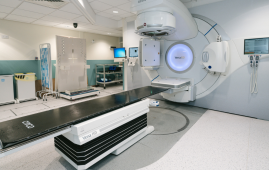 Low-Dose Radiation Therapy Shows Promise in Early Knee OA
Key Points Low-dose radiation therapy was.
 GLP-1 Health Information: Quality, Completeness, & Engagement
Key Points A study assessed 128.
 DNA Damage Response May Drive Biological Aging
Key Points Chronic DNA damage response.
 Psychedelic-Assisted Psychotherapy: Music in Treatment
Key Takeaways Psychedelic-assisted psychotherapy combines psychedelic.
 Cardiovascular Frailty Links Heart Health and Aging
Key Points Cardiovascular frailty may connect.
 Laser Blended Vision: Simple Test Predicts Success
Key Points A simple phoropter-based test.
 Rett Syndrome: Carotid Body Linked to Breathing Dysfunction
Key Points Rett syndrome is associated.
 Alzheimer’s Disease Blood Test Receives FDA Clearance
Key Points FDA clears PrecivityAD2, a.
 Pediatric Cancer Clinical Trial Participation: Key Barriers
Key Takeaways Black and Hispanic families.
Leave a Comment