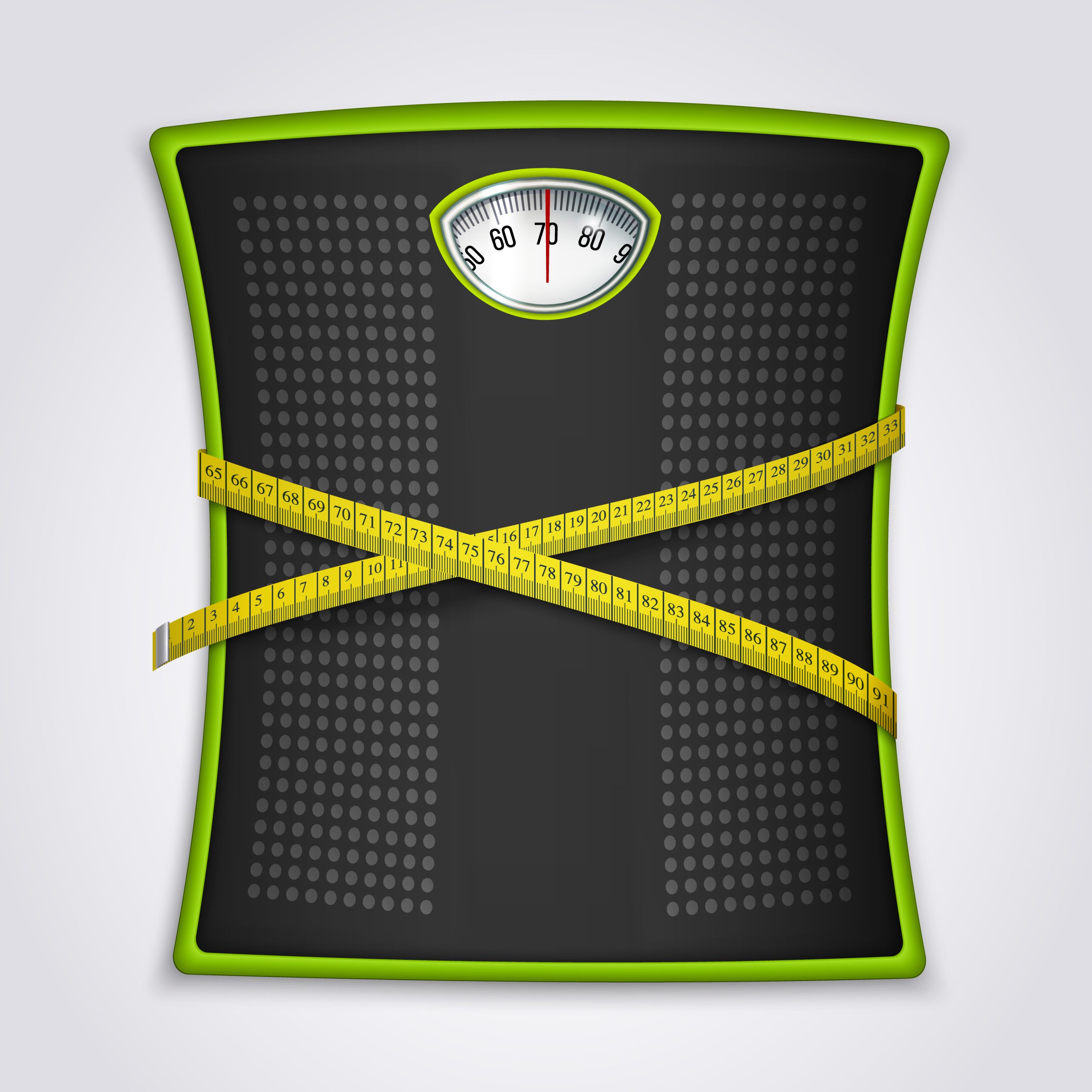
Image by macrovector on Freepik

According to a new study published in the journal PLOS ONE by Aayush Visaria and Soko Setoguchi of Rutgers University, body mass index (BMI) may not increase mortality independently of other risk factors in people. Overweight people have increased rapidly in the last 25 years, and it is well known that an elevated BMI can lead to a variety of cardio-metabolic problems. However, research on the relationship between BMI and all-cause mortality has been inconsistent. Most studies in the United States used data from the 1960s through the 1990s and primarily included non-Hispanic White adults.
The new study examined data from the 1999-2018 National Health Interview Survey and the 2019 U.S. National Death Index on 554,332 U.S. people. Self-reported height and weight were used to compute BMI, and participants were separated into nine BMI groups for the analysis.
There was additional information on demographics, socio-behavioral variables, comorbidities, and health care access. Participants were 46 years old on average, 50% female, and 69% non-Hispanic white. 35% of those participating in the study had a BMI between 25 and 30, which is considered overweight people, and 27.2% had a BMI greater than or equal to 30, which is considered obese.
The researchers observed 75,807 fatalities over a median of nine years and a maximum of twenty years. The risk of death from any cause was similar across a wide range of BMI categories.
There was no significant increase in mortality for any BMI between 22.5 and 34.9 in older persons, extending into the BMI categories deemed obese. There was no significant increase in mortality for any BMI between 22.5 and 27.4 among younger individuals. Overall, persons with a BMI of 30 or higher had a 21% to 108% increased risk of death due to their weight. The patterns seen in the general population were essentially consistent among men and women, as well as across races and ethnicities.
The authors conclude that more research combining weight history, body composition, and morbidity outcomes is required to adequately characterize BMI-mortality correlations, but that BMI in the overweight range is not related with an elevated risk of all-cause mortality.
The authors add, “Our study highlights the increasing reservations of using BMI alone to drive clinical decisions. There is no clear increase in all-cause mortality across a range of traditionally normal and overweight BMI ranges; however, that is not to say that morbidity is similar across these BMI ranges. Future studies will need to assess incidence of cardio-metabolic morbidities.”

 Gamma Oscillations Restored in Alzheimer’s Disease Mice
Key takeaways Researchers restored parvalbumin (PV).
 Coffee Consumption Linked to Lower Recurrent VTE Risk
Key points at a glance Study.
 Body Roundness Index Linked to Higher Heart Attack Risk
Key findings at a glance Study.
 Maternal Diet Fails to Reduce Infant Egg and Peanut Allergy
Key Points A large Australian randomized.
 Visual Impairment Linked to Higher Dementia Risk
Key findings at a glance A.
 Long-Acting HIV Treatment May Help Drug-Resistant Cases
Key Takeaways A UCSF study found.
 Night Shift Work Alters Key Circadian Gene Expression
A recent study published in Frontiers.
 Tirzepatide Weight Loss: Fat Mass and Muscle Findings
Key points Tirzepatide was associated with.
 Coffee and Gut Microbiome: Brewing and Metabolic Effects
Key Points Coffee contains caffeine, chlorogenic.
 Low-Dose Radiation Therapy Shows Promise in Early Knee OA
Key Points Low-dose radiation therapy was.
Leave a Comment