
A comparative review of available ADHD treatments, funded by the National Institute for Health and Care Research (NIHR) via a Research for Patient Benefit grant to Professor Samuele Cortese, NIHR Research Professor at the University of Southampton and senior co-author on the paper, provides the most comprehensive analysis to date of the effectiveness of pharmacological, psychological and neurostimulatory treatments for ADHD.
The paper, also supported by NIHR Applied Research Collaboration Oxford and Thames Valley, published in The Lancet Psychiatry, highlights that stimulants and atomoxetine are the only treatments with proven efficacy in reducing symptoms of ADHD in adults, as reported by both clinicians and patients.
The landmark study sets a new benchmark for evidence-based treatment recommendations for healthcare providers and policymakers and paves the way for future advancements in ADHD care.
This review collated and analysed data from 113 randomised controlled trials involving over 14,800 participants from different countries with a diagnosis of ADHD. The study assessed the efficacy of treatments in reducing core ADHD symptoms, alongside their acceptability and safety.
Stimulants, a group of medicines that stimulate parts of the brain to improve concentration and attention, and reduce impulsive and hyperactive behaviour, include methylphenidate, lisdexamfetamine, and dexamfetamine.
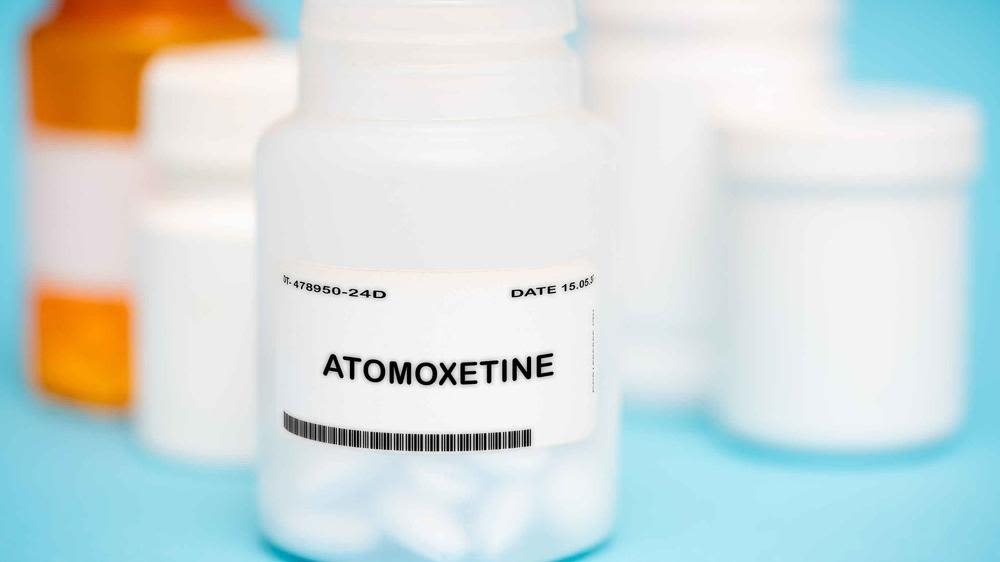
The drug atomoxetine works differently to stimulants as a selective noradrenaline reuptake inhibitor (SNRI), which increases the amount of a chemical in the brain called noradrenaline which can aid concentration and help control impulses.
Read the full story on the Department of Psychiatry website.

more recommended stories
 Gamma Oscillations Restored in Alzheimer’s Disease Mice
Key takeaways Researchers restored parvalbumin (PV).
 Coffee Consumption Linked to Lower Recurrent VTE Risk
Key points at a glance Study.
 Body Roundness Index Linked to Higher Heart Attack Risk
Key findings at a glance Study.
 Maternal Diet Fails to Reduce Infant Egg and Peanut Allergy
Key Points A large Australian randomized.
 Visual Impairment Linked to Higher Dementia Risk
Key findings at a glance A.
 Long-Acting HIV Treatment May Help Drug-Resistant Cases
Key Takeaways A UCSF study found.
 Night Shift Work Alters Key Circadian Gene Expression
A recent study published in Frontiers.
 Tirzepatide Weight Loss: Fat Mass and Muscle Findings
Key points Tirzepatide was associated with.
 Coffee and Gut Microbiome: Brewing and Metabolic Effects
Key Points Coffee contains caffeine, chlorogenic.
 Low-Dose Radiation Therapy Shows Promise in Early Knee OA
Key Points Low-dose radiation therapy was.
Leave a Comment