
Pancreatic Cancer Treatment Breakthrough Shows Promise

A Spanish research team has reported one of the most compelling preclinical results to date in pancreatic cancer treatment, a disease long defined by resistance to therapy and poor survival outcomes. Scientists at Spain’s National Cancer Research Centre (CNIO) demonstrated that a newly designed triple-drug regimen eliminated aggressive pancreatic tumours in laboratory mice, with no relapse observed during follow-up.
Led by veteran cancer researcher Mariano Barbacid, the six-year study offers renewed scientific optimism for clinicians confronting pancreatic ductal adenocarcinoma (PDAC), one of the most lethal solid tumours in oncology practice.
Pancreatic ductal adenocarcinoma remains notoriously difficult to manage due to late diagnosis, dense tumour stroma, and rapid molecular adaptation. Standard single-agent strategies often fail as cancer cells bypass blocked pathways and re-establish growth.
The CNIO team approached this challenge differently. Instead of targeting a single molecular driver, the researchers combined three drugs designed to suppress multiple tumour survival mechanisms simultaneously. This coordinated inhibition strategy appears to limit the cancer’s ability to adapt, a central problem in PDAC treatment.
In controlled experiments, mice with advanced pancreatic tumours showed complete tumour regression following therapy. Notably, extended observation revealed no tumour recurrence, suggesting durable disease control rather than temporary suppression.
For oncologists and translational researchers, the durability of response, paired with low observed toxicity, marks a significant departure from prior pancreatic cancer models, where relapse is common.
The findings were published in the Proceedings of the National Academy of Sciences (PNAS) after peer review. Independent experts highlighted both the depth of response and the absence of relapse as powerful signals in pancreatic cancer research.
Mariano Barbacid brings particular credibility to the work. In the 1980s, he helped identify the first human oncogene, reshaping modern cancer biology. His career-long focus on KRAS-driven tumours, implicated in nearly 90% of pancreatic cancers, underpins the study’s mechanistic rationale.
The research was conducted at CNIO and supported by Fundación CRIS Contra el Cáncer, an organization known for funding high-risk, high-impact oncology research. CNIO officials emphasized that the study followed established preclinical protocols, countering online speculation around accelerated timelines.
While the results do not yet translate into a clinical cure, they represent one of the strongest preclinical signals that combination therapy may finally disrupt pancreatic cancer’s resistance patterns. The next steps include further validation, safety studies, and, pending regulatory and funding pathways, early-phase human trials.
For healthcare professionals, the study reinforces a critical insight: meaningful progress in pancreatic cancer may depend less on single-agent breakthroughs and more on strategically designed multi-target regimens.

 Type 2 Diabetes Risk Rising in Genetically Susceptible
Quick Summary Rising type 2 diabetes.
 Female Microbiome Shaped by Diet, Stress, Unhealthy Lifestyle
Quick Summary Lifestyle factors significantly influence.
 Transcatheter Valve-in-Valve Improves Mitral Outcomes
Key Highlights Transcatheter mitral valve-in-valve (mVIV).
 Stroke Rehabilitation: Early High-Intensity Therapy Findings
Key Highlights High-intensity therapy within 2.
 TRPM8 Cold Sensation Mechanism Explained for Pain Care
Quick Summary TRPM8 ion channel converts.
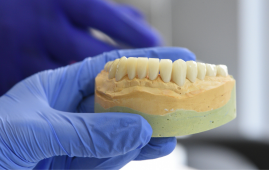 Gum Recession from Snus Confirmed, Caries Risk Debated
Key Highlights Snus use is strongly.
 Hypertensive Disorders of Pregnancy: Role of Daily Activity
Key Points Summary Limiting sedentary time.
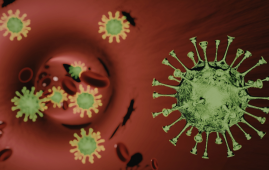 Climate Change Drives Dengue Outbreaks Globally
Key Takeaways Extreme weather significantly increases.
 Teen Driving Risks: Parents Underestimate Safety Threats
Key Takeaways Teen driving risks remain.
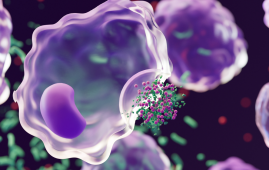 PFK Enzyme Dual Role in Metabolism and Cell Cycle
Key Highlights Phosphofructokinase (PFK Enzyme) shows.
Leave a Comment