Image by Freepik

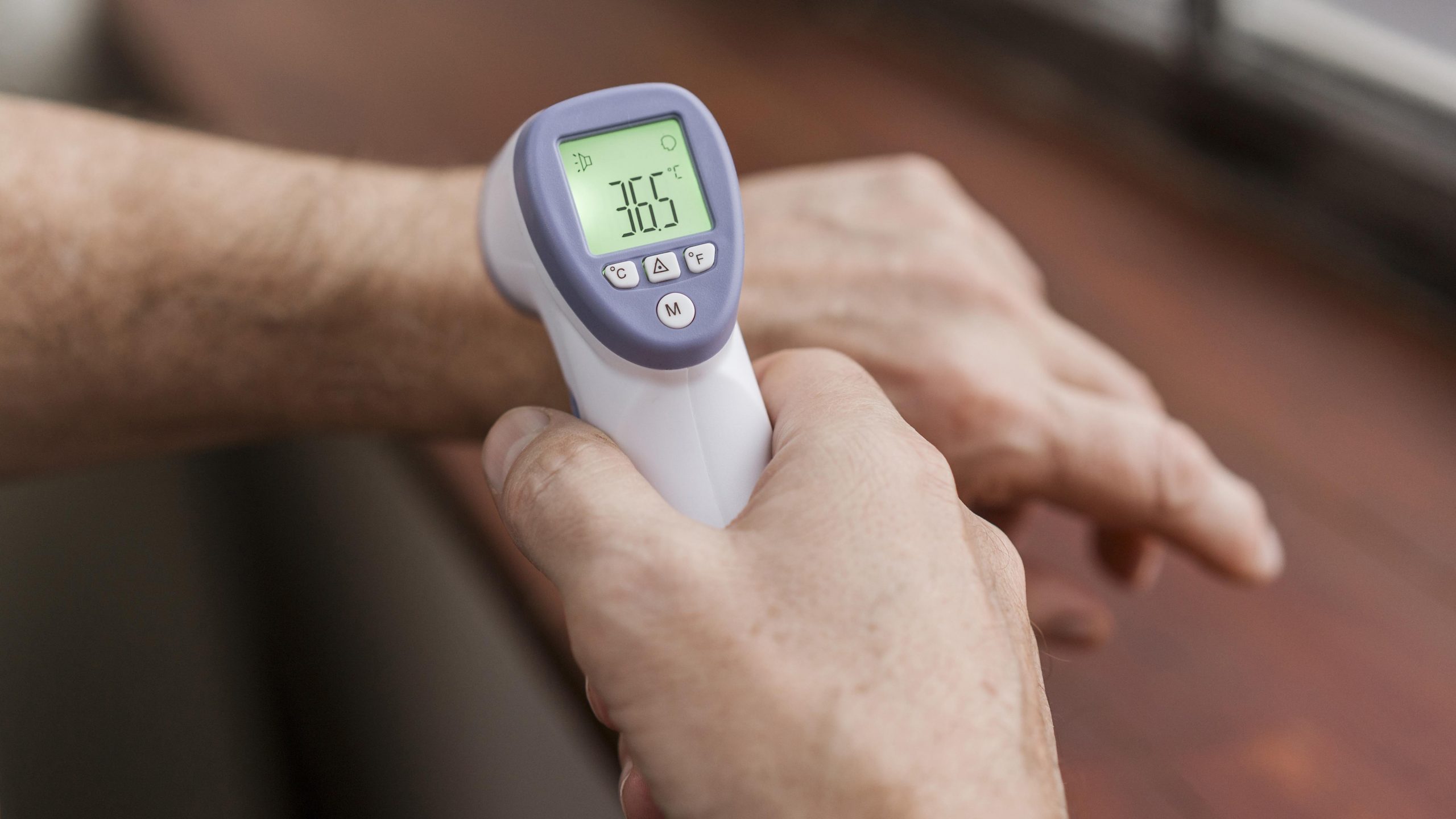
Continuous wrist temperature monitoring can reveal information about future illness risk for conditions such as Type 2 diabetes, hypertension, liver disease, kidney failure, and others. These new findings, published in Nature Communications by Perelman School of Medicine researchers, reveal that accurate, continuous digital monitoring of skin temperature can provide deeper medical insights.
Previously, only a few illnesses, such as metabolic syndrome and diabetes, had been related to altered temperature cycles. This study now gives insights from a large population, indicating that poor temperature cycles, as defined by wrist temperature amplitude (the difference between the minimum and highest temperature over the course of 24 hours), are associated with a broader range of diseases.
“These findings indicate the potential to marry emerging technology with health monitoring in a powerful new way,” said Carsten Skarke, MD, an adjunct associate professor of Medicine, Robert L. McNeil, Jr. fellow in Translational Medicine and Therapeutics, and the study’s senior author. “For example, there are many who have smart watches around their wrists, which already include skin temperature sensors. In the future, this information may be leveraged with their care teams as a digital biomarker, to understand their risk to develop certain diseases and to navigate treatment or preventative care options.”
One week of data from over 92,000 UK Biobank participants was collected at home during typical everyday activities, including sleep, for this study. The participants’ wrist temperature rhythms were measured, which measures the fluctuations in their wrist body temperature from day to night. This covered both circadian and sleep-wake behavior, as well as components influenced by external factors, such as core temperature lowering during times of sleep.
The findings suggest that the daily peaks and troughs in one’s wrist temperature curve may be important for health. The flatter the landscape, the greater the risk of chronic diseases.
The researchers discovered that up to 73 distinct medical problems were substantially connected with decreased temperature rhythm, which means that subjects with a lower day-night variation in their wrist temperature readings had a higher risk of developing these diseases in the future. Nonalcoholic fatty liver disease (NAFLD) was shown to have a 91 percent elevated risk for these participants, followed by Type 2 diabetes at 69 percent, renal failure at 25 percent, hypertension at 23 percent, and pneumonia at 22 percent. The Temperature Biorhythm Atlas was created by compiling this data into an easily searchable webpage.
“While temperature rhythms are only one aspect of one’s circadian health, these findings add to a growing body of work that shows the importance of maintaining healthy circadian habits, such as the consistent timing of sleep and physical activity,” said Thomas Brooks, PhD, the lead author and a research associate in Translational Medicine and Therapeutics at Penn.
Future research may build on this study by collecting additional data from novel smartwatch-based sensors and recruiting younger or more diverse participants, as well as doing additional temperature rhythm studies to better understand the underlying biology.

 Night Shift Work Alters Key Circadian Gene Expression
A recent study published in Frontiers.
 Tirzepatide Weight Loss: Fat Mass and Muscle Findings
Key points Tirzepatide was associated with.
 Coffee and Gut Microbiome: Brewing and Metabolic Effects
Key Points Coffee contains caffeine, chlorogenic.
 Low-Dose Radiation Therapy Shows Promise in Early Knee OA
Key Points Low-dose radiation therapy was.
 Oral Hormone Replacement Therapy Raises Blood Clot Risk
Key Points Oral hormone replacement therapy.
 GLP-1 Health Information: Quality, Completeness, & Engagement
Key Points A study assessed 128.
 DNA Damage Response May Drive Biological Aging
Key Points Chronic DNA damage response.
 Maternal Diet Fails to Reduce Infant Egg and Peanut Allergy
Key Points A large Australian randomized.
 Psychedelic-Assisted Psychotherapy: Music in Treatment
Key Takeaways Psychedelic-assisted psychotherapy combines psychedelic.
 Cardiovascular Frailty Links Heart Health and Aging
Key Points Cardiovascular frailty may connect.
Leave a Comment