
Postnatal Mental Health Challenges Uncovered

A growing body of evidence shows that mental health challenges in new parents extend well beyond the traditional focus on postpartum depression and anxiety. A new study from the University of East Anglia highlights an often-overlooked reality: intrusive thoughts, psychotic-like experiences, and heightened distress are far more common in the first year after childbirth than many clinicians realize.
In an anonymous survey of 349 parents conducted via Mumsnet, Netmums, Dads Matter UK, and major social platforms, researchers found striking patterns. Nearly 96% experienced at least one intrusive thought, typically unwanted, distressing images or ideas, while 89% reported psychotic-like symptoms such as fleeting paranoia or unusual perceptions. Notably, almost 31% screened as “at risk” for psychosis.
These symptoms were strongly associated with higher parental stress, lower confidence in caregiving, and increased depression and anxiety. Such findings signal an urgent need for broader awareness among clinicians, nurses, and perinatal mental health teams.
Lead researcher Dr Jo Hodgekins emphasized that sleep deprivation, stress, and major hormonal shifts can trigger a spectrum of mental health symptoms—many of which are not routinely assessed in clinical practice. While most participants were women, male parents who participated reported more intrusive thoughts, greater stress, and higher anxiety levels. The team noted the need for deeper research into paternal mental health.
For healthcare professionals, these results highlight a critical takeaway: intrusive thoughts and psychotic-like experiences are common, often distressing, and can impair early parenting. While they do not automatically indicate a clinical disorder, the study suggests they significantly influence family well-being.
Recognising and normalising these experiences, without dismissing their impact, may empower early conversations in clinical settings. The authors stress the importance of targeted support for parents experiencing severe distress, ensuring that both mothers and fathers receive appropriate guidance, timely screening, and access to mental health services.
As perinatal care pathways broaden, HCPs can play a central role in identifying risk, reducing stigma, and improving outcomes for new families. The full study, Postnatal Intrusive Thoughts and Psychotic-Like Experiences, appears in the Community Mental Health Journal.

 Hypertensive Disorders of Pregnancy: Role of Daily Activity
Key Points Summary Limiting sedentary time.
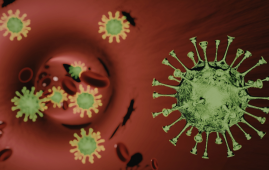 Climate Change Drives Dengue Outbreaks Globally
Key Takeaways Extreme weather significantly increases.
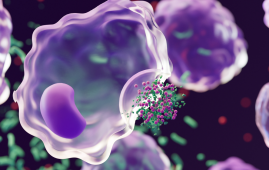 PFK Enzyme Dual Role in Metabolism and Cell Cycle
Key Highlights Phosphofructokinase (PFK Enzyme) shows.
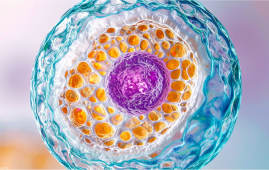 Stem Cell Therapies Course for Parkinson’s Disease Clinicians
Key Summary The International Society for.
 Food Tolerance Mechanism: How T Cells Prevent Allergies
Key Summary Researchers at Stanford University.
 Endometriosis Screening Tool May Cut Diagnosis Delays
Key Points Researchers from the University.
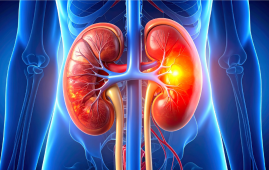 Diabetic Kidney Disease: Combo Therapy Targets Zombie Cells
Key Points Researchers from Mayo Clinic.
 Fragmentome Technology Detects Early Liver Fibrosis
Key Points at a Glance AI-based.
 Dance for Healthy Aging: Study Highlights Benefits
Key Points at a Glance A.
 Breast Cancer Prognosis Linked to High-Fat Diet
Key Points A high-fat diet accelerated.
Leave a Comment