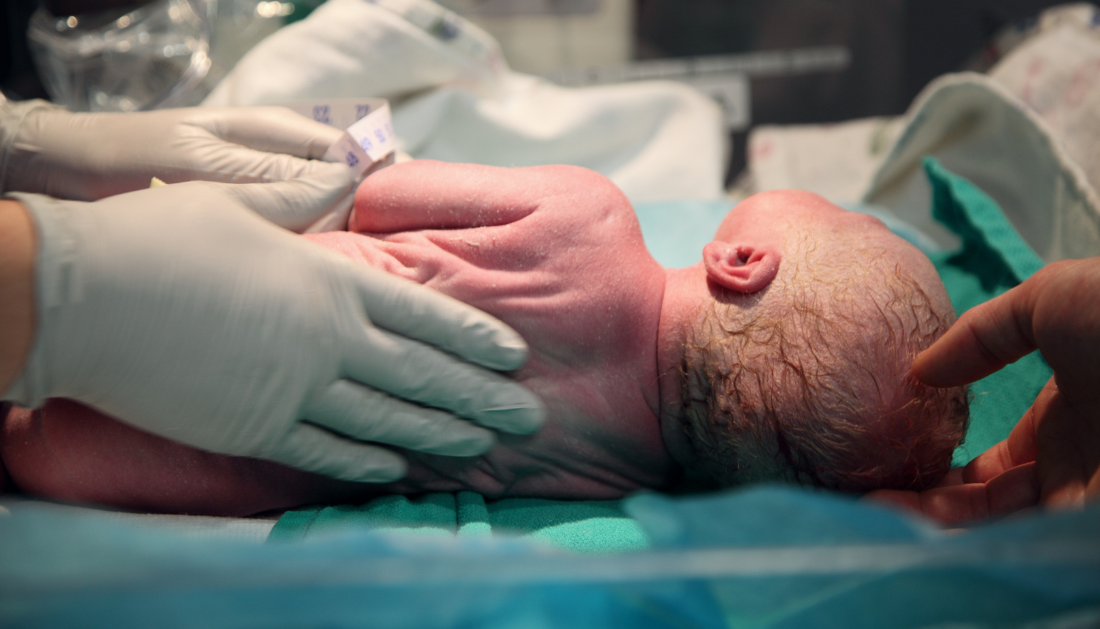
Study: Short-Term and Long-Term Mortality Risk After Preterm Birth

A new study from Wake Forest University School of Medicine and The Hospital for Sick Children (SickKids) in Toronto found that being born preterm increases the chance of dying from birth until the third and fourth decades of life.
The report is published online today in JAMA Network Open.
Preterm births account for around 10% of all births globally, and occur when a baby is born before 37 weeks gestation. Preterm delivery is the greatest cause of infant mortality worldwide, and the second leading cause of death among children under the age of five.
“Understanding the long-term effects of preterm birth can help us develop preventative strategies and identify interventions to improve the health of individuals who are born preterm,” said Asma M. Ahmed, M.D., Ph.D., assistant professor of epidemiology and prevention at Wake Forest University School of Medicine, former post-doctoral fellow at SickKids, and the study’s lead author.
Ahmed said while the majority of people who are born preterm survive into adulthood, there’s growing evidence that highlights an increased risk of death throughout life.
We wanted to know whether people born prematurely have a higher risk of short-term and long-term mortality compared to individuals who were born full term.”
Asma M. Ahmed, M.D., Ph.D., Assistant Professor, Epidemiology and Prevention, Wake Forest University School of Medicine
Ahmed and colleagues conducted the first known population-based study of preterm birth in North America, examining a cohort of approximately 5 million live births in Canada, 6.9% of which were preterm. The individuals were born between 1983 and 1996 and were tracked until 2019, providing a follow-up span of 23 to 36 years.
Preterm births were divided into four gestational age categories: 24-27 weeks, 28-31 weeks, 32-33 weeks, and 34-36 weeks, and compared to full-term births at 37-41 weeks.
The researchers discovered that preterm delivery is related with an elevated risk of death in all age groups up to the age of 36, with the biggest risks occurring during birth and infancy (0-11 months) and early childhood (1-5 years).
“We also found that the risk of mortality is higher with a lower gestational age at birth, with those born before 28 weeks facing the highest risks,” Ahmed said.
The study also found elevated mortality risks associated with a variety of causes, including respiratory, circulatory, and digestive system illnesses; nervous system, endocrine, and viral diseases; malignancies; and congenital deformities.
“These findings suggest that preterm birth should be recognized as a significant risk factor for mortality,” Ahmed said. “The risk remains until the third and fourth decades of life. While clinical care during the neonatal period is critical, long-term follow-up care and monitoring for people born preterm is crucial to help mitigate the risks.”
Ahmed said additional research is needed in other populations, especially in low-income and middle-income countries where preterm birth rates are highest. She also highlighted the importance of research that identifies underlying factors contributing to the increased mortality risk after preterm birth.

 Gamma Oscillations Restored in Alzheimer’s Disease Mice
Key takeaways Researchers restored parvalbumin (PV).
 Coffee Consumption Linked to Lower Recurrent VTE Risk
Key points at a glance Study.
 Body Roundness Index Linked to Higher Heart Attack Risk
Key findings at a glance Study.
 Maternal Diet Fails to Reduce Infant Egg and Peanut Allergy
Key Points A large Australian randomized.
 Visual Impairment Linked to Higher Dementia Risk
Key findings at a glance A.
 Long-Acting HIV Treatment May Help Drug-Resistant Cases
Key Takeaways A UCSF study found.
 Night Shift Work Alters Key Circadian Gene Expression
A recent study published in Frontiers.
 Tirzepatide Weight Loss: Fat Mass and Muscle Findings
Key points Tirzepatide was associated with.
 Coffee and Gut Microbiome: Brewing and Metabolic Effects
Key Points Coffee contains caffeine, chlorogenic.
 Low-Dose Radiation Therapy Shows Promise in Early Knee OA
Key Points Low-dose radiation therapy was.
Leave a Comment