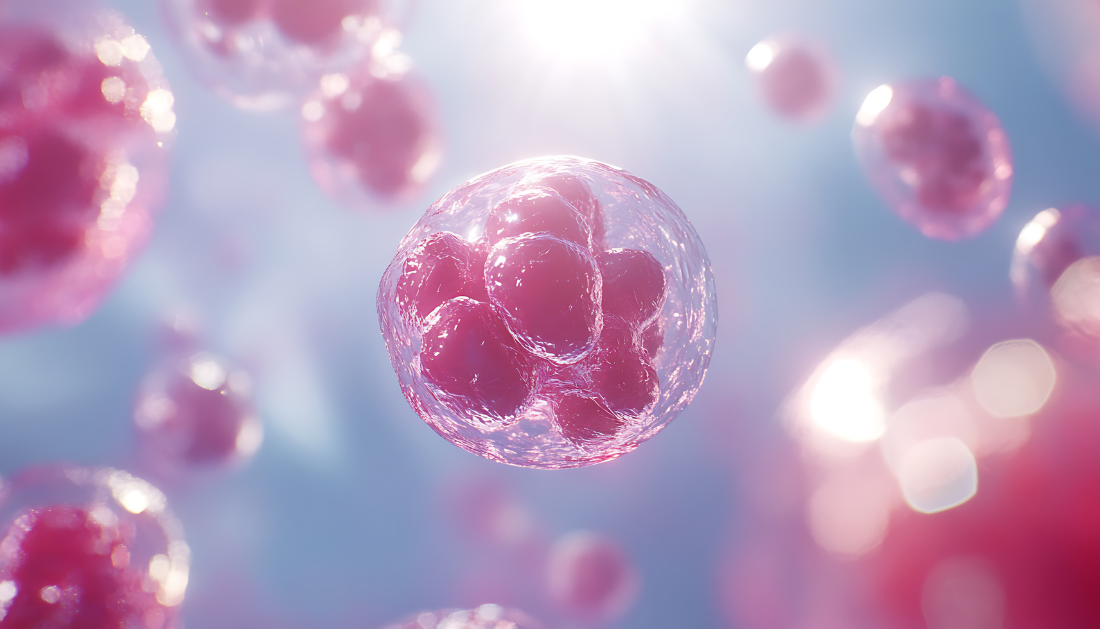
Chromosome Congression and Cancer Therapy Insight

Accurate chromosome alignment during mitosis is essential for healthy cell division. When this process is disrupted, it can lead to chromosomal instability, a key characteristic observed in many cancers. A new study from The University of Osaka, conducted in collaboration with the Massachusetts Institute of Technology, uncovers a cooperative mechanism between two motor proteins, KIF18A and CENP-E, that plays a crucial role in chromosome congression. The findings not only enhance our understanding of mitotic regulation but also reveal a potential therapeutic strategy that selectively targets cancer cells.
The research team employed a genome-wide CRISPR screen in a cell model with a mild kinetochore defect resulting from a CENP-C mutation. They identified KIF18A as a key gene whose loss led to cell death when the kinetochore was already compromised. Further analysis showed that the defect included reduced activity of CENP-E, another motor protein responsible for guiding chromosome movement toward the metaphase plate.
The study demonstrated that KIF18A and CENP-E operate in tandem to ensure chromosomes align properly during the early stages of cell division. In healthy cells, if one protein functions inefficiently, the other can often compensate. However, when both are impaired, alignment fails, leading to mitotic arrest and subsequent cell death.
A notable finding was that certain cancer cells naturally display low CENP-E expression. These cells are highly sensitive to KIF18A inhibition, making them uniquely vulnerable. This suggests that measuring CENP-E levels could help identify tumors more likely to respond to KIF18A-targeting therapies. Additionally, combining inhibitors of both proteins may enhance therapeutic effectiveness against selectively vulnerable cancers.
“We not only uncovered detailed mechanisms of chromosome segregation but also applied these findings to efficiently kill cancer cells, emphasizing that such targeted therapies must be grounded in basic research.”
– Tatsuo Fukagawa, Study Senior Author and Professor, The University of Osaka
This research bridges fundamental cell biology and clinical relevance. As stated by senior author Prof. Tatsuo Fukagawa, the work highlights how basic mechanistic insight can directly inform cancer treatment strategies. For oncology professionals and clinical researchers, the study provides groundwork for biomarker-driven therapeutic development aimed at minimizing systemic toxicity while maximizing tumor specificity.

 Gum Recession from Snus Confirmed, Caries Risk Debated
Key Highlights Snus use is strongly.
 Hypertensive Disorders of Pregnancy: Role of Daily Activity
Key Points Summary Limiting sedentary time.
 Climate Change Drives Dengue Outbreaks Globally
Key Takeaways Extreme weather significantly increases.
 Teen Driving Risks: Parents Underestimate Safety Threats
Key Takeaways Teen driving risks remain.
 PFK Enzyme Dual Role in Metabolism and Cell Cycle
Key Highlights Phosphofructokinase (PFK Enzyme) shows.
 Exercise During Chemotherapy Supports Brain Health
Key Points Summary A nationwide clinical.
 Invasive Cosmetic Procedures Raise Patient Safety Concerns
Key Summary Experts publishing in The.
 Oligometastatic Pancreatic Cancer: New Global Consensus
Key Points Summary An international expert.
 Endometriosis Screening Tool May Cut Diagnosis Delays
Key Points Researchers from the University.
 Influenza Vulnerability Index Maps Flu Risk Across US States
Key Points Researchers developed a new.
Leave a Comment