
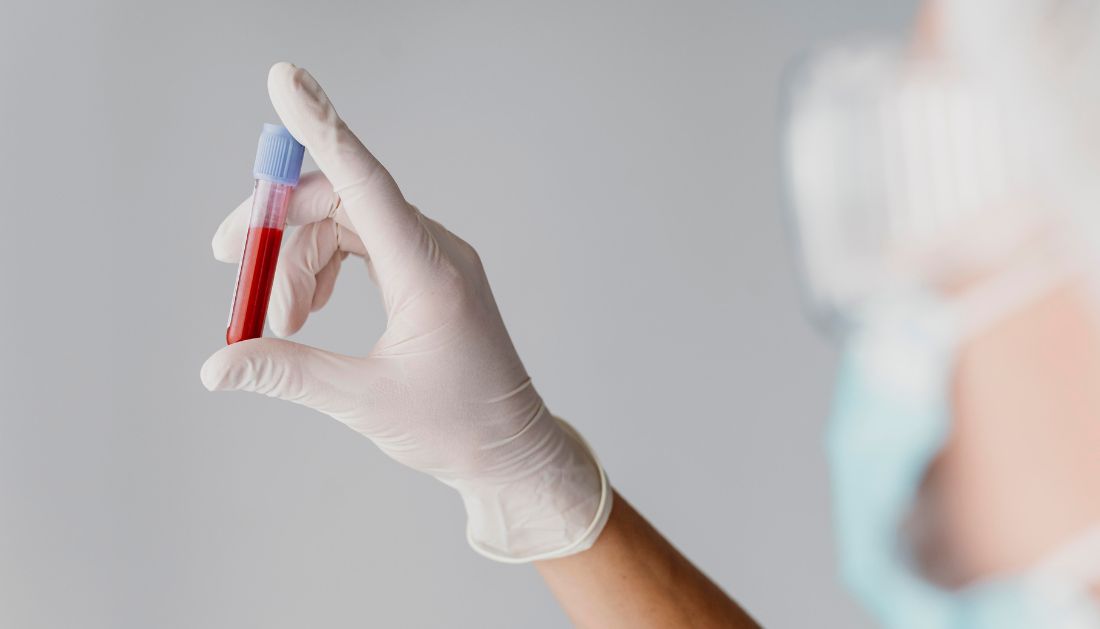
A groundbreaking blood test developed by researchers at the University of Melbourne is set to transform the way rare diseases in children are diagnosed. This rapid blood test for rare diseases provides a minimally invasive, highly efficient solution to a long-standing challenge in pediatric care: diagnosing elusive genetic conditions quickly and accurately.
Proteomic Testing Identifies Thousands of Conditions
Unlike traditional tests that analyze DNA, this innovative method sequences proteins, the functional products of genes. With over 7,000 rare diseases linked to mutations in more than 5,000 genes, the ability to assess protein function offers a broader, untargeted diagnostic scope. The test can detect changes in more than 8,000 proteins using just 1ml of blood, covering over 50% of known Mendelian and mitochondrial disease genes.
Faster, More Accurate Results for Families in Need
The test delivers results in less than three days—an essential feature for critically ill children. Trio analysis, which involves testing parents’ samples alongside the child’s, significantly increases diagnostic precision by distinguishing carriers from affected individuals. This approach not only shortens the diagnostic journey but also prevents unnecessary, often invasive, procedures.
Improving Patient Outcomes and Healthcare Efficiency
A swift molecular diagnosis allows clinicians to initiate appropriate treatments sooner, improving patient outcomes. Families benefit from closure and access to reproductive planning options, such as preimplantation or prenatal genetic testing. Healthcare systems stand to reduce costs by replacing multiple targeted tests with a single, comprehensive analysis.
A Step Toward Standardized Genetic Screening
The Melbourne School of Population and Global Health confirmed that the cost of implementing this test is comparable to current rare disease diagnostic methods. However, the rapid blood test for rare diseases has the added advantage of detecting thousands more conditions, making it a cost-effective tool for clinical adoption.
The Future of Rare Disease Diagnosis is Here
Dr. Daniella Hock, the lead researcher, expresses optimism about integrating this proteomic test into routine diagnostics. Its minimal invasiveness, speed, and diagnostic power mark a major step forward in personalized pediatric care. As Professor Alexandre Reymond states, such non-invasive approaches are key to solving previously unsolvable cases—offering hope to millions of families around the world.
For more information: European Society of Human Genetics

more recommended stories
 Brain-Computer Interface Uses EEG in Unresponsive Patients
Key findings at a glance Mind-controlled.
 Gamma Oscillations Restored in Alzheimer’s Disease Mice
Key takeaways Researchers restored parvalbumin (PV).
 Coffee Consumption Linked to Lower Recurrent VTE Risk
Key points at a glance Study.
 Body Roundness Index Linked to Higher Heart Attack Risk
Key findings at a glance Study.
 Maternal Diet Fails to Reduce Infant Egg and Peanut Allergy
Key Points A large Australian randomized.
 Visual Impairment Linked to Higher Dementia Risk
Key findings at a glance A.
 Long-Acting HIV Treatment May Help Drug-Resistant Cases
Key Takeaways A UCSF study found.
 Night Shift Work Alters Key Circadian Gene Expression
A recent study published in Frontiers.
 Tirzepatide Weight Loss: Fat Mass and Muscle Findings
Key points Tirzepatide was associated with.
 Coffee and Gut Microbiome: Brewing and Metabolic Effects
Key Points Coffee contains caffeine, chlorogenic.
Leave a Comment