
Reducing Hand Hygiene Monitoring Saves Hospital Costs

A recent study in the American Journal of Infection Control suggests hospitals can significantly reduce hand hygiene (HH) monitoring without compromising data quality. By cutting the required number of HH observations from 200 to just 50 per unit each month, healthcare facilities can save time, lower costs, and refocus efforts on infection prevention and patient safety initiatives.
Hand hygiene remains one of the simplest yet most effective methods to prevent infections in healthcare settings. Despite its importance, adherence rates among healthcare workers can be inconsistent, making reliable monitoring crucial. Historically, hospitals have struggled to meet the high observation standards required by accrediting bodies like the Leapfrog Group.
The study, conducted by the Association for Professionals in Infection Control (APIC), analyzed 390,371 HH observations from 29 hospitals in 2023. Researchers found that a sample size of 50 observations per unit was statistically comparable to 200 observations in assessing HH compliance, with a 95% confidence level.
For hospitals with 12 units, meeting the current standard of 100-200 observations can consume up to 127 hours monthly, costing $36,288–$68,688 annually. By reducing the requirement to 50 observations, facilities could save over $50,000 each year—funds that could be reinvested into feedback, staff education, and infrastructure improvements to build a stronger hand hygiene culture.
“This study highlights the opportunity to balance compliance monitoring with meaningful improvements in hand hygiene practices,” said Sara Reese, PhD, lead investigator and Director of Research at APIC. “Reducing the observation burden empowers infection prevention teams to focus on training and long-term outcomes.”
The findings advocate for revising HH observation standards, ensuring hospitals allocate resources effectively while maintaining patient safety and infection control.
More Information: Reese, S. M., et al. (2024). Right-sizing expectations for hand hygiene observation collection. American Journal of Infection Control. DOI: 10.1016/j.ajic.2024.11.017

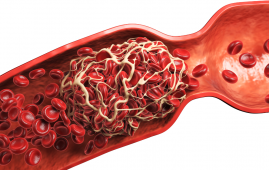 Coffee Consumption Linked to Lower Recurrent VTE Risk
Key points at a glance Study.
 Body Roundness Index Linked to Higher Heart Attack Risk
Key findings at a glance Study.
 Maternal Diet Fails to Reduce Infant Egg and Peanut Allergy
Key Points A large Australian randomized.
 Visual Impairment Linked to Higher Dementia Risk
Key findings at a glance A.
 Long-Acting HIV Treatment May Help Drug-Resistant Cases
Key Takeaways A UCSF study found.
 Night Shift Work Alters Key Circadian Gene Expression
A recent study published in Frontiers.
 Tirzepatide Weight Loss: Fat Mass and Muscle Findings
Key points Tirzepatide was associated with.
 Coffee and Gut Microbiome: Brewing and Metabolic Effects
Key Points Coffee contains caffeine, chlorogenic.
 Low-Dose Radiation Therapy Shows Promise in Early Knee OA
Key Points Low-dose radiation therapy was.
 Oral Hormone Replacement Therapy Raises Blood Clot Risk
Key Points Oral hormone replacement therapy.
Leave a Comment