
Image by rawpixel.com on Freepik

According to Katharine O’Connell White, MD, MPH, associate professor of obstetrics and gynecology, the FDA’s approval of the first over-the-counter birth control pill in the United States might be a game changer in birth control and reproductive health.
White, vice chair of academics and associate director of the complicated family planning fellowship at Boston Medical Center, says she felt “jubilation and glee” when the FDA approved Opill, a hormonal birth control pill, on Thursday.
“After a year during which there has been very little good news about people’s reproductive health, this is the first solid win in a long time,” she says. “And it finally puts the United States on par with most other countries in the world, where people have always had access to pills without a prescription.”
The news was received with support from almost every major reproductive health organization in the country, including the American Medical Association, the American College of Obstetricians and Gynecologists, the North American Society of Pediatric and Adolescent Gynecology, and the American Academy of Family Physicians.
The FDA’s approval comes amid myriad legal battles over reproductive rights—and almost exactly a year after the Supreme Court overturned Roe v. Wade, rescinding the right to abortion nationally.
Perrigo Company, which manufactures the pill, says it will likely be available in stores and from online retailers in the United States in early 2024.
BU Today spoke with White about the safety and effectiveness of Opill, as well as questions that still remain about its rollout and accessibility.

 Gamma Oscillations Restored in Alzheimer’s Disease Mice
Key takeaways Researchers restored parvalbumin (PV).
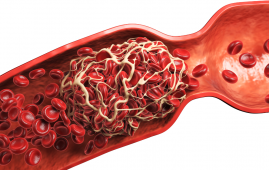 Coffee Consumption Linked to Lower Recurrent VTE Risk
Key points at a glance Study.
 Body Roundness Index Linked to Higher Heart Attack Risk
Key findings at a glance Study.
 Maternal Diet Fails to Reduce Infant Egg and Peanut Allergy
Key Points A large Australian randomized.
 Visual Impairment Linked to Higher Dementia Risk
Key findings at a glance A.
 Long-Acting HIV Treatment May Help Drug-Resistant Cases
Key Takeaways A UCSF study found.
 Night Shift Work Alters Key Circadian Gene Expression
A recent study published in Frontiers.
 Tirzepatide Weight Loss: Fat Mass and Muscle Findings
Key points Tirzepatide was associated with.
 Coffee and Gut Microbiome: Brewing and Metabolic Effects
Key Points Coffee contains caffeine, chlorogenic.
 Low-Dose Radiation Therapy Shows Promise in Early Knee OA
Key Points Low-dose radiation therapy was.
Leave a Comment