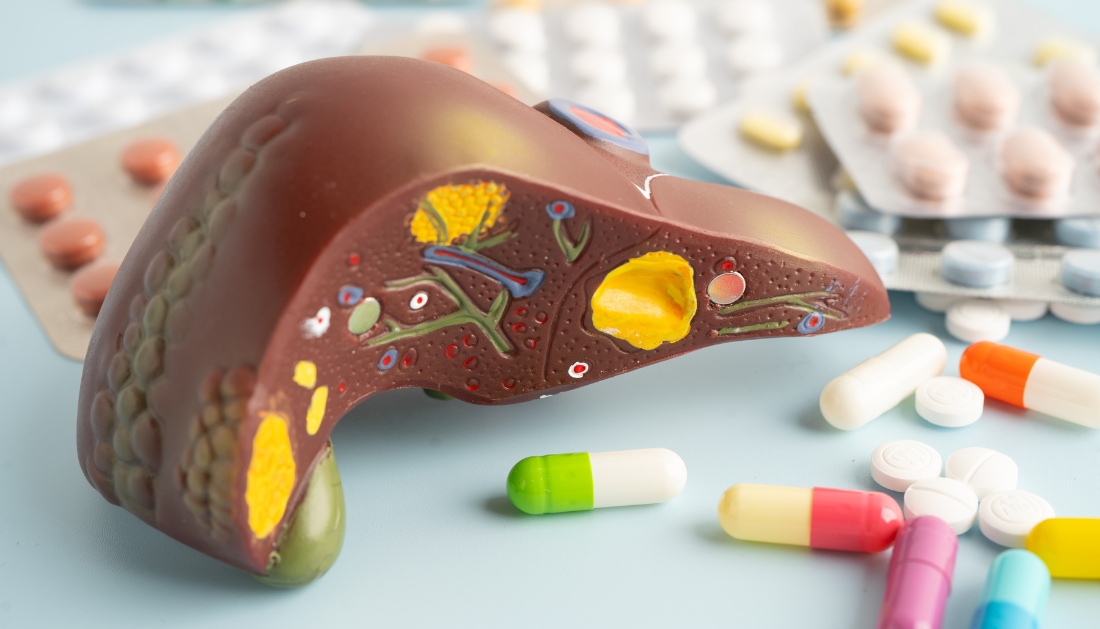
SBRT and Sorafenib: A New Hope for Liver Cancer Patients

Recent findings from the Phase III NRG-RTOG 1112 clinical trial, published in JAMA Oncology, reveal that adding stereotactic body radiotherapy (SBRT) to sorafenib significantly improves survival outcomes for patients with locally advanced hepatocellular carcinoma (HCC). This groundbreaking study highlights the potential of SBRT to address an unmet need in treating HCC, especially in cases involving macrovascular invasion (MVI).
Hepatocellular carcinoma is one of the most common and aggressive forms of liver cancer. Patients treated with systemic therapy alone, such as sorafenib, often face recurrence within the liver and lower survival rates due to macrovascular invasion, which increases the risk of metastasis. The addition of SBRT not only improves progression-free survival (PFS) and overall survival (OS) but also enhances the quality of life for patients.
“This trial demonstrates the transformative potential of SBRT in treating liver cancer, particularly in challenging cases involving MVI,” said Dr. Laura Dawson, lead author and radiation oncologist at the Princess Margaret Cancer Centre.
The trial, funded by the National Cancer Institute (NCI), involved 177 eligible patients who were randomly assigned to receive either sorafenib alone or sorafenib combined with SBRT. Patients treated with the combination therapy showed a median OS of 15.8 months compared to 12.3 months for those on sorafenib alone. Median PFS was also extended significantly, from 5.5 months with sorafenib alone to 9.2 months with the combination therapy.
The benefits were particularly notable for patients with macrovascular invasion, providing compelling evidence for SBRT’s efficacy in advanced HCC cases. Quality of life improvements were observed in 35% of patients receiving SBRT, compared to only 10% in the sorafenib-only group.
Although the addition of SBRT slightly increased the occurrence of Grade 3 or higher adverse events (47% vs. 42%), the overall safety profile was manageable. These findings pave the way for future studies combining SBRT with immunotherapy for HCC patients.
More Information: Dawson, L. A., et al. (2024). Stereotactic Body Radiotherapy vs Sorafenib Alone in Hepatocellular Carcinoma. JAMA Oncology. doi.org/10.1001/jamaoncol.2024.5403.

 Brain-Computer Interface Uses EEG in Unresponsive Patients
Key findings at a glance Mind-controlled.
 Gamma Oscillations Restored in Alzheimer’s Disease Mice
Key takeaways Researchers restored parvalbumin (PV).
 Coffee Consumption Linked to Lower Recurrent VTE Risk
Key points at a glance Study.
 Body Roundness Index Linked to Higher Heart Attack Risk
Key findings at a glance Study.
 Maternal Diet Fails to Reduce Infant Egg and Peanut Allergy
Key Points A large Australian randomized.
 Visual Impairment Linked to Higher Dementia Risk
Key findings at a glance A.
 Long-Acting HIV Treatment May Help Drug-Resistant Cases
Key Takeaways A UCSF study found.
 Night Shift Work Alters Key Circadian Gene Expression
A recent study published in Frontiers.
 Tirzepatide Weight Loss: Fat Mass and Muscle Findings
Key points Tirzepatide was associated with.
 Coffee and Gut Microbiome: Brewing and Metabolic Effects
Key Points Coffee contains caffeine, chlorogenic.
Leave a Comment