Image by tonodiaz on Freepik

According to a new review paper co-authored by two Johns Hopkins pain experts, scrambler therapy, a noninvasive pain treatment, can provide significant relief for approximately 80%-90% of chronic pain patients, and it may be more effective than another noninvasive therapy, transcutaneous electrical nerve stimulation (TENS). The study was published online in The New England Journal of Medicine on July 13.
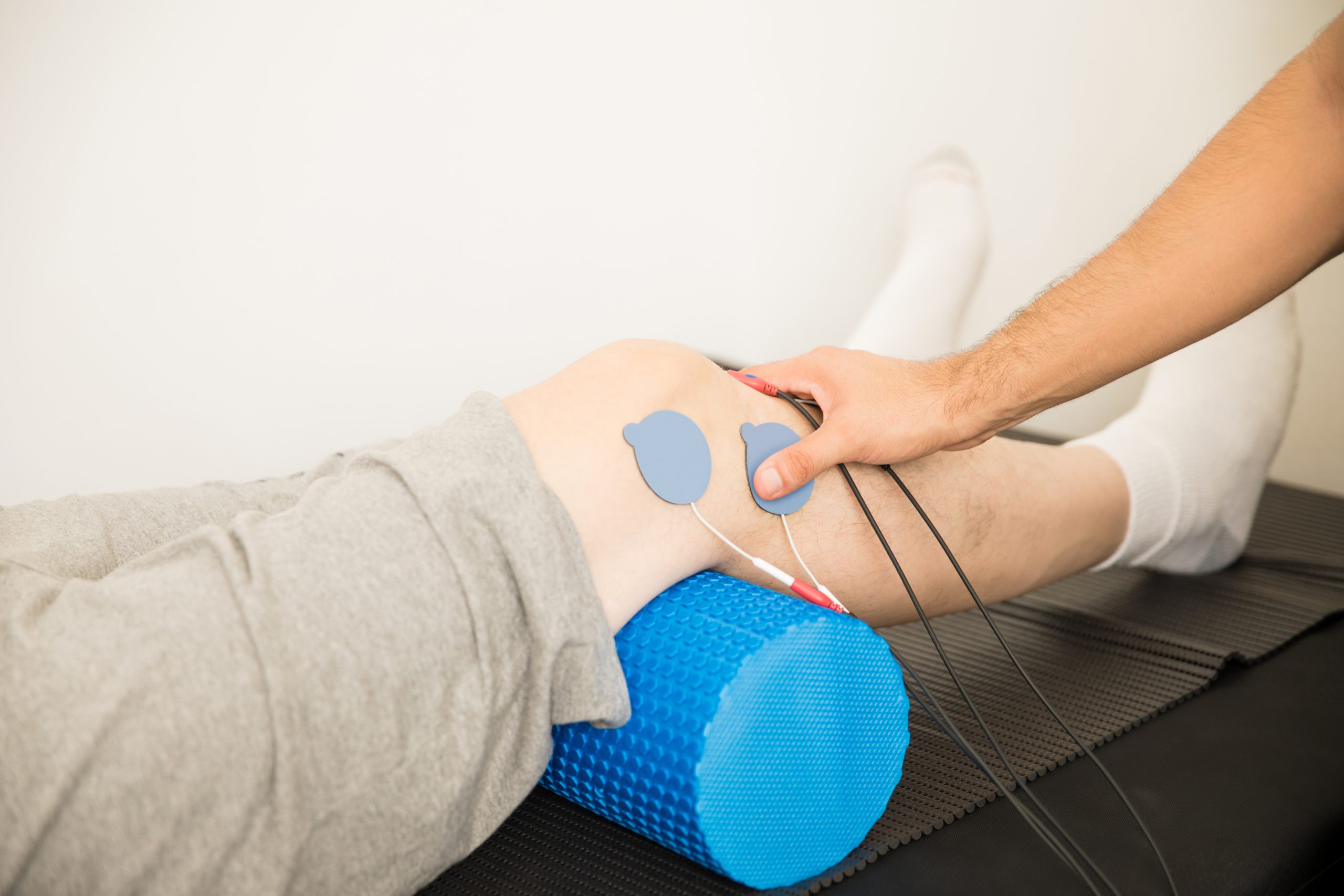
Scrambler therapy, which was approved by the FDA in 2009, delivers electrical stimulation via the skin via electrodes inserted in parts of the body above and below where chronic pain is felt. According to Thomas Smith, M.D., the Harry J. Duffey Family Professor of Palliative Medicine at the Johns Hopkins Kimmel Cancer Center and a professor of oncology and medicine at the Johns Hopkins University School of Medicine, the goal is to capture the nerve endings and replace signals from the area experiencing pain with signals from adjacent areas experiencing no pain, thereby “scrambling” the pain signals sent to the brain.
According to Smith, who is also the director of palliative medicine at Johns Hopkins Medicine, all chronic pain and almost all nerve and neuropathic pain are caused by two things: pain impulses from damaged nerves that send a constant barrage up to pain centers in the brain, and the failure of inhibitory cells to block those impulses and prevent them from becoming chronic.
“If you can block the ascending pain impulses and enhance the inhibitory system, you can potentially reset the brain so it doesn’t feel chronic pain nearly as badly,” Smith says. “It’s like pressing Control-Alt-Delete about a billion times.”
Many patients “get really substantial relief that can often be permanent,” he says. They receive from three to 12 half-hour sessions.
As a physician who treats chronic pain, Smith says, “Scrambler therapy is the most exciting development I have seen in years — it’s effective, it’s noninvasive, it reduces opioid use substantially and it can be permanent.”
TENS therapy uses a pair of electrodes at the areas of discomfort to provide low-intensity electrical signals through the skin. According to Smith, pain alleviation frequently vanishes immediately or shortly after the electrical impulses are switched off. In a study included in the review report, the authors identified a nonstatistically significant difference in pain reduction between TENS and a placebo technique in 381 randomized clinical trials.

 Gamma Oscillations Restored in Alzheimer’s Disease Mice
Key takeaways Researchers restored parvalbumin (PV).
 Coffee Consumption Linked to Lower Recurrent VTE Risk
Key points at a glance Study.
 Body Roundness Index Linked to Higher Heart Attack Risk
Key findings at a glance Study.
 Maternal Diet Fails to Reduce Infant Egg and Peanut Allergy
Key Points A large Australian randomized.
 Visual Impairment Linked to Higher Dementia Risk
Key findings at a glance A.
 Long-Acting HIV Treatment May Help Drug-Resistant Cases
Key Takeaways A UCSF study found.
 Night Shift Work Alters Key Circadian Gene Expression
A recent study published in Frontiers.
 Tirzepatide Weight Loss: Fat Mass and Muscle Findings
Key points Tirzepatide was associated with.
 Coffee and Gut Microbiome: Brewing and Metabolic Effects
Key Points Coffee contains caffeine, chlorogenic.
 Low-Dose Radiation Therapy Shows Promise in Early Knee OA
Key Points Low-dose radiation therapy was.
Leave a Comment