Image by jcomp on Freepik

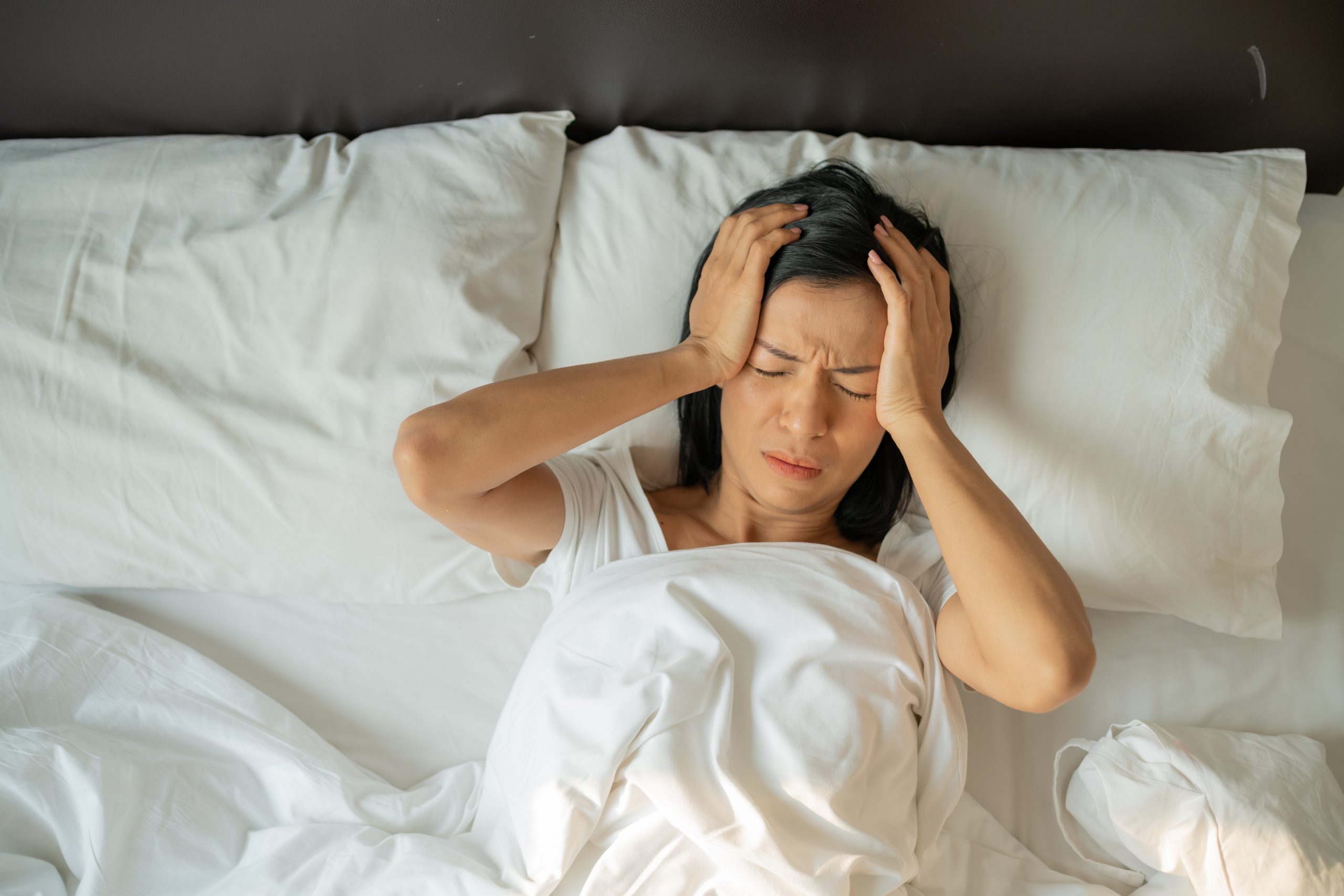
According to a study with over 600,000 participants, sleep issues raises the risk of influenza and other respiratory diseases. Sleep issues also raised the likelihood of COVID-19 infection necessitating hospitalization.
The study, led by University of Helsinki researchers, found that having a previous diagnosis of sleeplessness increased the chance of developing respiratory infections. The project included over 600,000 people from Finland (the FinnGen study) and the United Kingdom (the UK Biobank).
When compared to the other participants, the chance of having an unidentified respiratory infection was over six times greater among the Finnish adults with insomnia, and the risk of influenza was more than four times higher. Analyses based on UK biobank data showed the link between insomnia diagnosis and respiratory infection risk.
A causal link is suggested by genetic study
Previous research has found a link between short-term insomnia or sleep deprivation and the immune system and resistance against infections. The relationship between chronic sleep issues and susceptibility to infection has also been studied, but large-scale population studies have been rare, and the huge number of genetic instruments required to verify causality have only lately been available.
The current study used genetic epidemiology tools to investigate a possible causal relationship between sleeplessness and infections. According to this study, insomnia raises the risk of respiratory infections. Furthermore, these studies revealed a link between sleeplessness and the severity of COVID-19 symptoms, as well as COVID-19 infection that necessitated hospitalization.
“The advantage of this kind of study design is that it makes use of longitudinal data. In addition, the genetic analysis allows for the identification of causal relationships between two traits. In this particular study we test causality leveraging genetic analysis tools that use randomization to estimate causality,” says Dr. Hanna Ollila from the Institute for Molecular Medicine Finland (FIMM) at the University of Helsinki, who led the study.
The researchers were also able to show that variables like obesity or smoking, which are known to predispose to both sleep issues and respiratory infections, had no effect on the outcomes.
According to the American Academy of Sleep Medicine, over 30% of adults suffer with insomnia. As a result, the findings have public health consequences.
“Our results are in line with earlier literature and show that getting enough sleep is important for maintaining an effective immune defense,” Hanna Ollila concludes.

 Gamma Oscillations Restored in Alzheimer’s Disease Mice
Key takeaways Researchers restored parvalbumin (PV).
 Coffee Consumption Linked to Lower Recurrent VTE Risk
Key points at a glance Study.
 Body Roundness Index Linked to Higher Heart Attack Risk
Key findings at a glance Study.
 Maternal Diet Fails to Reduce Infant Egg and Peanut Allergy
Key Points A large Australian randomized.
 Visual Impairment Linked to Higher Dementia Risk
Key findings at a glance A.
 Long-Acting HIV Treatment May Help Drug-Resistant Cases
Key Takeaways A UCSF study found.
 Night Shift Work Alters Key Circadian Gene Expression
A recent study published in Frontiers.
 Tirzepatide Weight Loss: Fat Mass and Muscle Findings
Key points Tirzepatide was associated with.
 Coffee and Gut Microbiome: Brewing and Metabolic Effects
Key Points Coffee contains caffeine, chlorogenic.
 Low-Dose Radiation Therapy Shows Promise in Early Knee OA
Key Points Low-dose radiation therapy was.
Leave a Comment