
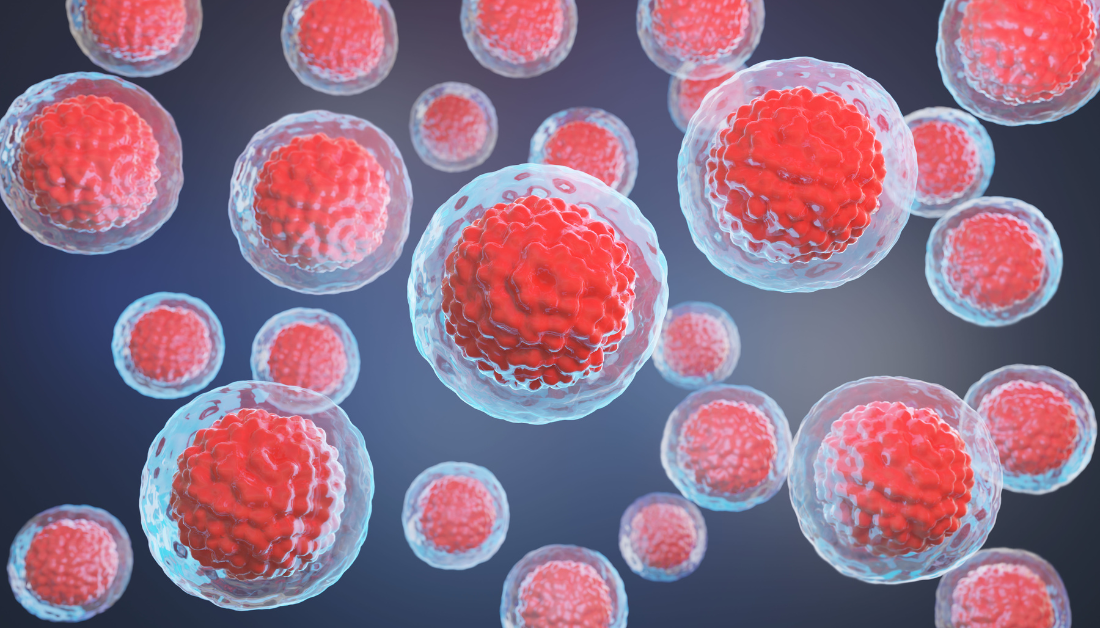
A new review study from researchers at the University of Miami Miller School of Medicine reveals that researchers are making progress in their quest for stem cell therapy to decrease damage from acute myocardial infarction (AMI) and speed healing and recovery.
“It’s important to assess where we and other researchers are, address the hurdles we’ve overcome and identify those we still face in order to advance this promising strategy to treat acute myocardial infarction and its aftermath,” said Joshua Hare, M.D., senior study author, Louis Lemberg Professor of Medicine, founding director of the Interdisciplinary Stem Cell Institute (ISCI) and a heart failure/cardiac transplant cardiologist.
Stem Cells Potential for Heart Repair
Researchers are aware that mesenchymal and induced pluripotent stem cells have promise for heart repair. These cells, when administered intravenously or directly into injured cardiac tissue following AMI, can reduce inflammation, engraft, and regenerate healthy heart tissue. The goal is to repair injured tissue before fibrosis takes hold and hinders the heart’s ability to contract adequately.“By using stem cell therapy, we might be able to not only repair the damaged heart tissue but also prevent the heart from deteriorating further, which is a common consequence of a severe heart attack,” said lead author Diana Clavellina, M.D., M.Sc., a post-doctoral researcher in the ISCI.
“This advancement could significantly reduce the number of people who suffer from heart failure after a heart attack, potentially revolutionizing how we approach treatment for these patients.”
Stem Cells are Excellent for Research
Dr. Hare and Dr. Clavellina, together with co-author Wayne Balkan, Ph.D, describe how mesenchymal/stromal stem cells from bone marrow and other tissues, as well as induced pluripotent stem cells, could play an important role in regenerative heart repair.
These cells are an ideal study target since they have low antigenicity (which reduces the danger of immune system rejection), are easy to harvest, and can develop into several types of cells to help with heart regeneration. Preclinical and clinical research backs up this therapy strategy’s safety and efficacy.
The authors highlight remaining challenges, such as enhancing engraftment success and cell survival. Because the ISCI and Miller School are thought leaders in this field, the authors emphasize the importance of standardizing definitions.
The authors highlight remaining challenges, such as enhancing engraftment success and cell survival. Because the ISCI and Miller School are thought leaders in this subject, the authors emphasize the importance of standardizing terminologies and outcome measurements in the field.
“The Hare Lab remains at the forefront of pioneering new therapies in this crucial medical domain. As part of this commitment, we are currently initiating a significant project in collaboration with the prestigious journal series, Frontiers,” Dr. Clavellina said.“The overarching goal is to bring together insights and expertise from notable scientific figures in the aging sector to nurture a multidisciplinary approach.”
Dr. Clavellina envisions a new age of cardiac care and sees post-AMI heart function and vitality preservation as an essential goal in maximizing patient well-being.
“It’s a challenging road ahead,” she said, “but one filled with hope and the promise of saving countless lives and improving the quality of life for many more.”
For more information: Stem cell therapy for acute myocardial infarction: Mesenchymal Stem Cells and induced Pluripotent Stem Cells, Expert Opinion on Biological Therapy

more recommended stories
 Gamma Oscillations Restored in Alzheimer’s Disease Mice
Key takeaways Researchers restored parvalbumin (PV).
 Coffee Consumption Linked to Lower Recurrent VTE Risk
Key points at a glance Study.
 Body Roundness Index Linked to Higher Heart Attack Risk
Key findings at a glance Study.
 Maternal Diet Fails to Reduce Infant Egg and Peanut Allergy
Key Points A large Australian randomized.
 Visual Impairment Linked to Higher Dementia Risk
Key findings at a glance A.
 Long-Acting HIV Treatment May Help Drug-Resistant Cases
Key Takeaways A UCSF study found.
 Night Shift Work Alters Key Circadian Gene Expression
A recent study published in Frontiers.
 Tirzepatide Weight Loss: Fat Mass and Muscle Findings
Key points Tirzepatide was associated with.
 Coffee and Gut Microbiome: Brewing and Metabolic Effects
Key Points Coffee contains caffeine, chlorogenic.
 Low-Dose Radiation Therapy Shows Promise in Early Knee OA
Key Points Low-dose radiation therapy was.
Leave a Comment