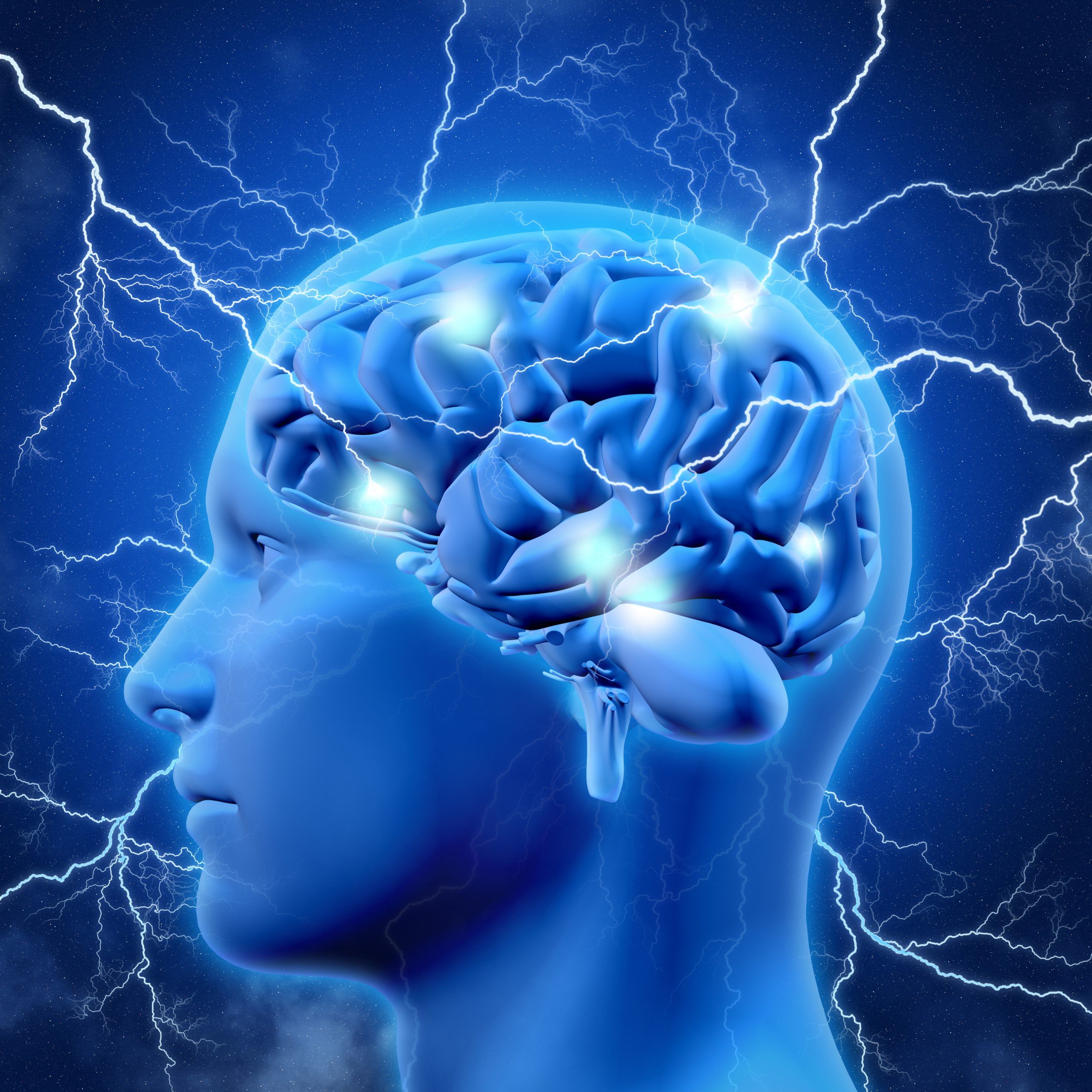
Image by kjpargeter on Freepik

Cornell researchers found that neurons in a key brain area have different functions based on their genetic identity. Understanding this diversity could improve understanding of the brain’s computational flexibility and memory replay, which could inform disease treatment.
Pyramidal cells in the CA1 area of the hippocampus are exceedingly varied, contrary to previous beliefs. This diversity’s role in cognitive functioning hadn’t been studied till now.
“Most memory studies assume the hippocampus and the cortex are like black boxes—monolithic structures, homogeneous sets of neurons,” said co-senior author Antonio Fernandez-Ruiz, assistant professor of neurobiology and behavior, and Nancy and Peter Meinig Family Investigator in the Life Sciences, in the College of Arts and Sciences (A&S). “So basically, you have two black boxes that talk to each other, but you don’t know exactly the components of these two boxes.”
“Hippocampo-Cortical Circuits for Selective Memory Encoding, Routing, and Replay” was published on May 16 in the journal Neuron. Co-senior author is Azahara Oliva, assistant professor of neurobiology and behavior (A&S).
In rats, Fernandez-Ruiz and his team observed that CA1 neurons encode task-related information simultaneously and send impulses to distinct targets depending on whether they are deep in the hippocampus or on the surface.
“We discovered that there are at least two different ways in which these structures talk to each other,” he said. “And there are specialized circuits integrated by different cell types that are coding different types of information, and sending them to different parts of the brain.”
The scientists analyzed a huge number of simultaneously recorded neurons utilizing high-density silicon probes in their investigation, which used rats engaged in both memory tasks and sleep. The probes detect cell encoding activity via synchronized oscillations known as sharp-wave ripples.
CA1 pyramidal cells (called for their form) differed in various physiological aspects depending on where they were placed in the hippocampus (deep, medium, or superficial), as previously discovered. According to Fernandez-Ruiz, diversification is essential for memory growth.
While deep CA1 pyramidal cells were the primary contributors to sequence and assembly dynamics, superficial cells were selectively engaged during the memory replay of fresh experiences and drove memory formation.
“When you learn something new,” he said, “these aspects of experience can be segregated and encoded by specialized populations of neurons, then transmitted to different areas, which are specialized in processing different types of information. We believe this is important because this provides a system with more flexibility.”
The researchers also characterized a previously unknown circuit involving the hippocampus and cortex, which plays a role in memory replay. This increased understanding of the hippocampus’s neuronal diversity could help target areas affected by dementia, Oliva said.
A disease like Alzheimer’s is characterized by impairments of this communication between the hippocampus and the cortex,” she said, “but we don’t know whether the whole structures are disrupted or, more likely, some specific neuron types in these structures are the more affected.
“If you could determine which aspect of memory is disrupted,” she said, “then maybe you could trace that back to the specialization of different cell types, and perhaps employ new, more targeted therapies.”

 Gamma Oscillations Restored in Alzheimer’s Disease Mice
Key takeaways Researchers restored parvalbumin (PV).
 Coffee Consumption Linked to Lower Recurrent VTE Risk
Key points at a glance Study.
 Body Roundness Index Linked to Higher Heart Attack Risk
Key findings at a glance Study.
 Maternal Diet Fails to Reduce Infant Egg and Peanut Allergy
Key Points A large Australian randomized.
 Visual Impairment Linked to Higher Dementia Risk
Key findings at a glance A.
 Long-Acting HIV Treatment May Help Drug-Resistant Cases
Key Takeaways A UCSF study found.
 Night Shift Work Alters Key Circadian Gene Expression
A recent study published in Frontiers.
 Tirzepatide Weight Loss: Fat Mass and Muscle Findings
Key points Tirzepatide was associated with.
 Coffee and Gut Microbiome: Brewing and Metabolic Effects
Key Points Coffee contains caffeine, chlorogenic.
 Low-Dose Radiation Therapy Shows Promise in Early Knee OA
Key Points Low-dose radiation therapy was.
Leave a Comment