
Surge in Non-Smoker Lung Cancer Tied to Pollution

A new study published in The Lancet Respiratory Medicine has identified air pollution as a major driver of lung cancer among non-smokers, with women and Southeast Asian populations particularly affected. As smoking rates decline worldwide, pollution has emerged as a key risk factor, leading to a significant rise in lung adenocarcinoma cases.
Lung cancer remains the most common cancer type, with 2.5 million cases diagnosed in 2022. While historically linked to smoking, the proportion of non-smoking-related lung cancer is increasing.
One subtype—adenocarcinoma—has become the dominant form of lung cancer among women in 185 countries, and its incidence continues to grow.
“Air pollution can be considered an important factor that partly explains the emerging predominance of adenocarcinoma,” researchers noted.
Between 2020 and 2022, adenocarcinoma cases increased in both men and women, but the highest rates were observed among non-smoking women, where it accounted for six in 10 cases.
The study links long-term exposure to air pollution—especially fine particulate matter (PM2.5)—to the development of lung cancer in non-smokers. These pollutants enter the lungs, causing chronic inflammation and DNA damage, increasing cancer risk even in individuals with no history of smoking.
Key findings include:
As global smoking rates continue to decline, environmental factors like air pollution are emerging as the new major contributors to lung cancer. Researchers emphasize the need for:
✔ Stronger air quality regulations
✔ Cleaner energy alternatives for household use
✔ Further research into pollution-related cancer mechanisms
This study underscores the critical link between air pollution and lung cancer, particularly among women and non-smokers. As pollution levels rise in many parts of the world, tackling air quality issues is becoming a public health priority to reduce cancer risk and improve global health outcomes.
More Information: Ganfeng Luo et al, Estimated worldwide variation and trends in incidence of lung cancer by histological subtype in 2022 and over time: a population-based study, The Lancet Respiratory Medicine (2025). DOI: 10.1016/S2213-2600(24)00428-4

 Brain-Computer Interface Uses EEG in Unresponsive Patients
Key findings at a glance Mind-controlled.
 Gamma Oscillations Restored in Alzheimer’s Disease Mice
Key takeaways Researchers restored parvalbumin (PV).
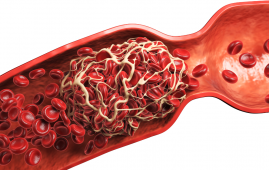 Coffee Consumption Linked to Lower Recurrent VTE Risk
Key points at a glance Study.
 Body Roundness Index Linked to Higher Heart Attack Risk
Key findings at a glance Study.
 Maternal Diet Fails to Reduce Infant Egg and Peanut Allergy
Key Points A large Australian randomized.
 Visual Impairment Linked to Higher Dementia Risk
Key findings at a glance A.
 Long-Acting HIV Treatment May Help Drug-Resistant Cases
Key Takeaways A UCSF study found.
 Night Shift Work Alters Key Circadian Gene Expression
A recent study published in Frontiers.
 Tirzepatide Weight Loss: Fat Mass and Muscle Findings
Key points Tirzepatide was associated with.
 Coffee and Gut Microbiome: Brewing and Metabolic Effects
Key Points Coffee contains caffeine, chlorogenic.
Leave a Comment