Image by kjpargeter on Freepik

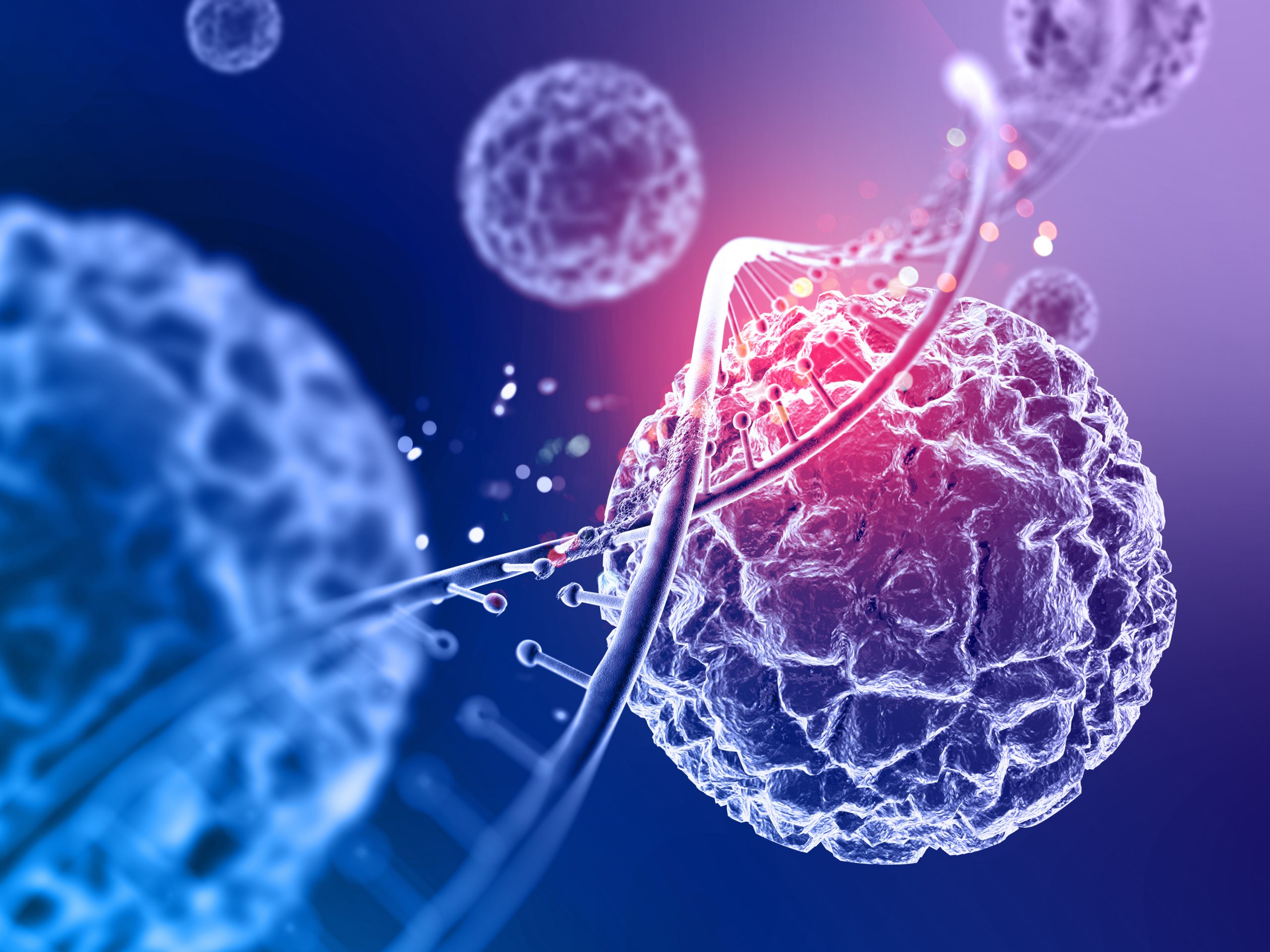
Scientists at the Van Andel Institute have identified how a certain gene mutation causes an inflammatory cascade that may lead to the development of therapy resistant cancers.
The new discoveries, published in Molecular Cell, disclose the molecular circuitry through which mutations in the gene STK11 cause inflammation to spiral out of control for the first time. The resultant chemical firestorm harms healthy cells and may promote the development of cancer. Tumors that lack the STK11 are difficult to treat because are resistant to both traditional chemotherapy and several of the most recent immunotherapies.
“Understanding how and why this mutation leads to cancer is a critical step in developing improved treatments,” said Russell Jones, Ph.D., chair of VAI’s Department of Metabolism and Nutritional Programming and the study’s corresponding author. “Our study identifies important features of these therapy resistant cancers and suggests that targeting inflammation may make these tumors more responsive to treatment.”
STK11 mutations occur when the gene’s instructions are altered. As a result, the gene produces insufficient levels of the protein LKB1, a tumor suppressor that regulates cell development. LKB1 deficiency disrupts crucial cellular checks and balances, allowing malignant cells to proliferate unabated.
LKB1 loss is one of the most common genetic abnormalities in human cancer, particularly in treatment-resistant lung cancer, pancreatic cancer, and cervical cancer. It also plays a key role in the rare disease Peutz-Jehgers Syndrome. People with Peutz-Jehgers Syndrome develop polyps in their digestive tract and are at a higher risk of cancer.
Although LKB1 has long been associated to cancer, it remained unclear how it promoted tumor growth. Earlier studies by Jones and colleagues suggested that LKB1-mediated inflammation control was to blame, but the mechanism remained unknown. The findings of today provide a fuller understanding of the process.
LKB1 regulates inflammation, which is a normal aspect of the body’s defense systems against injury and infection. When LKB1 is deleted, cells undergo an epigenetic alteration that changes how DNA instructions are acted upon. This causes widespread inflammation, which harms healthy cells and may push them closer to cancer.
“It’s a perfect storm of problems for which we now have potential solutions,” said Shelby Compton, a Van Andel Institute Graduate School Ph.D. student and the study’s first author. “In addition to cancer, I hope this work will inform new therapeutic strategies for Peutz-Jehgers Syndrome, which has few treatments and no cure.”
The next step, Jones says, is to “put ideas into action” by developing strategies to target inflammation in LKB1-associated cancers. The team also plans to continue exploring LKB1 in Peutz-Jehgers Syndrome with the goal of working toward new, much-needed therapies for people with this condition.

 Coffee and Gut Microbiome: Brewing and Metabolic Effects
Key Points Coffee contains caffeine, chlorogenic.
 Low-Dose Radiation Therapy Shows Promise in Early Knee OA
Key Points Low-dose radiation therapy was.
 Oral Hormone Replacement Therapy Raises Blood Clot Risk
Key Points Oral hormone replacement therapy.
 GLP-1 Health Information: Quality, Completeness, & Engagement
Key Points A study assessed 128.
 DNA Damage Response May Drive Biological Aging
Key Points Chronic DNA damage response.
 Maternal Diet Fails to Reduce Infant Egg and Peanut Allergy
Key Points A large Australian randomized.
 Psychedelic-Assisted Psychotherapy: Music in Treatment
Key Takeaways Psychedelic-assisted psychotherapy combines psychedelic.
 Cardiovascular Frailty Links Heart Health and Aging
Key Points Cardiovascular frailty may connect.
 Laser Blended Vision: Simple Test Predicts Success
Key Points A simple phoropter-based test.
 Pink Noise Boosts Brain Waste Clearance During Sleep
Key Points Pink noise delivered during.
Leave a Comment