
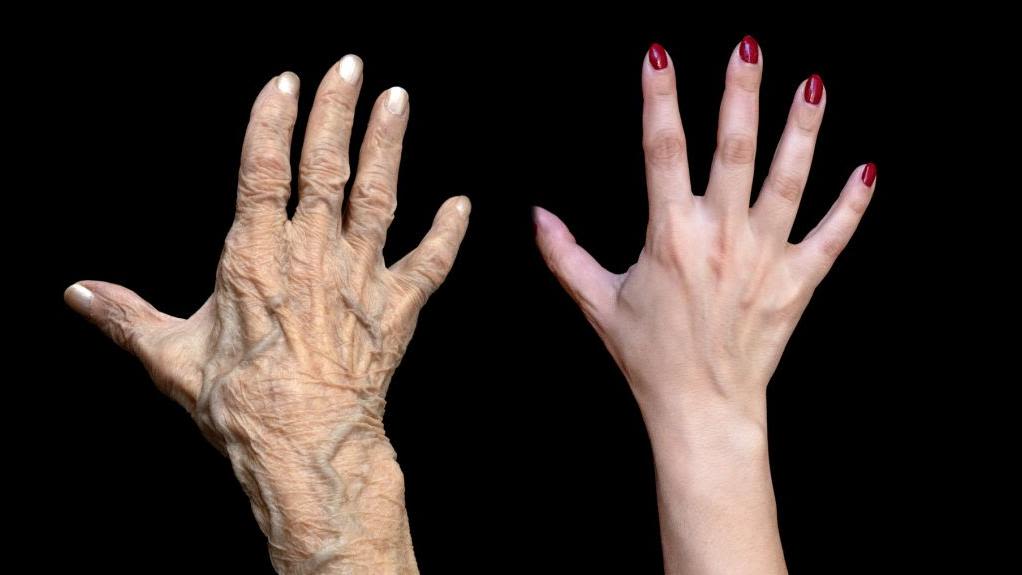
Led by researchers from the University of Oxford’s Leverhulme Centre for Demographic Science and the University of Iceland, the review explores how genetic variations can explain differences in reproductive health and longevity.
The study provides the most comprehensive review of male and female genetic discoveries of reproductive traits to date, and provides new insights into how our DNA affects when we have children, the timing of menopause, and even how that is connected to how long we live.
Genes at the heart of reproduction
Using the GWAS Catalog, an online database of Genome Wide Association Studies (GWAS), the researchers identified 159 genetic studies and 37 key genes that are linked to reproductive traits such as age at first childbirth, menopause timing, and hormones such as follicle-stimulating hormone (FSH) and testosterone. These findings suggest that genetic factors play a significant role in broader health outcomes as well as influencing fertility.
One gene in particular, FSHB (follicle-stimulating hormone subunit beta), was found to be associated with eleven different reproductive outcomes. This gene helps regulate when menstruation begins and when menopause occurs, highlighting its role in reproductive health and ageing. The review also revealed connections between these reproductive genes and rare genetic disorders, showcasing how DNA impacts both fertility and overall health.
Senior lead author Professor Melinda Mills, Director of the Leverhulme Centre for Demographic Science and Oxford Population Health’s Demographic Science Unit said ‘As more people delay parenthood to later ages, it is important to understand the genetic factors underpinning an individual’s reproductive health and fertility window. Our study brings together research on the genetics of reproduction to reveal common genes across traits and insights beyond fertility that are inherently linked to health, body mass index (BMI) and obesity, hormone sensitive cancers, and even psychiatric and behavioural traits.’

more recommended stories
 Gamma Oscillations Restored in Alzheimer’s Disease Mice
Key takeaways Researchers restored parvalbumin (PV).
 Coffee Consumption Linked to Lower Recurrent VTE Risk
Key points at a glance Study.
 Body Roundness Index Linked to Higher Heart Attack Risk
Key findings at a glance Study.
 Maternal Diet Fails to Reduce Infant Egg and Peanut Allergy
Key Points A large Australian randomized.
 Visual Impairment Linked to Higher Dementia Risk
Key findings at a glance A.
 Long-Acting HIV Treatment May Help Drug-Resistant Cases
Key Takeaways A UCSF study found.
 Night Shift Work Alters Key Circadian Gene Expression
A recent study published in Frontiers.
 Tirzepatide Weight Loss: Fat Mass and Muscle Findings
Key points Tirzepatide was associated with.
 Coffee and Gut Microbiome: Brewing and Metabolic Effects
Key Points Coffee contains caffeine, chlorogenic.
 Low-Dose Radiation Therapy Shows Promise in Early Knee OA
Key Points Low-dose radiation therapy was.
Leave a Comment