α-Glucosidase Inhibitors from Roasted Coffee Beans

Type 2 diabetes is one of the fastest-growing global health challenges, impacting millions and driving demand for innovative treatment strategies. At the core of postprandial glucose regulation lies α-glucosidase, a key enzyme responsible for breaking down carbohydrates into glucose. Inhibiting this enzyme is a proven therapeutic pathway, commonly targeted by drugs like acarbose, to reduce blood sugar spikes after meals.
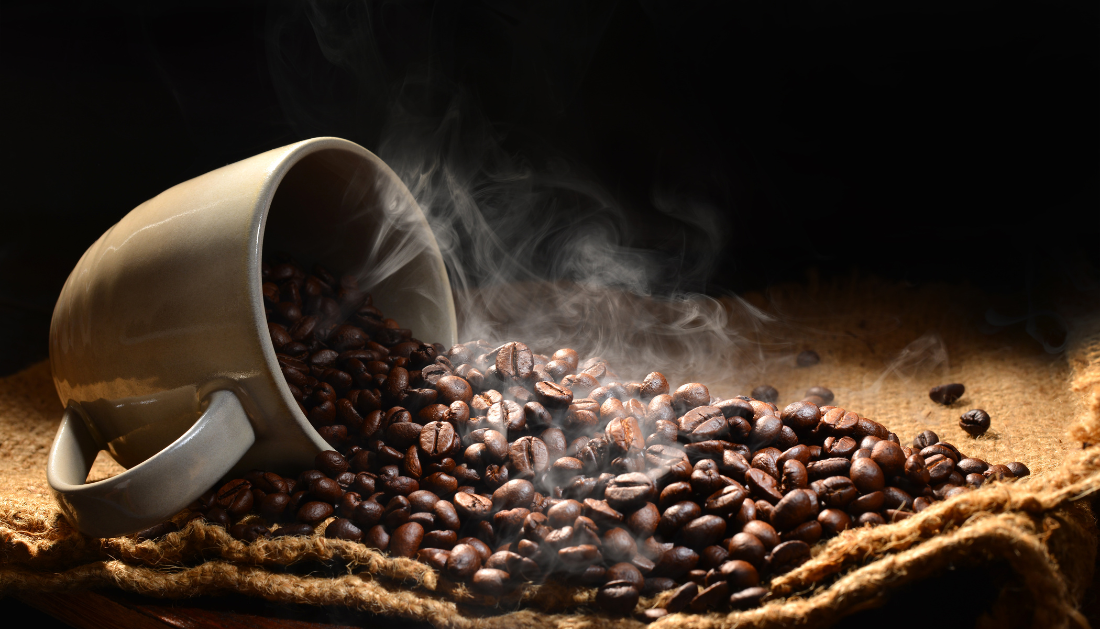
But what if functional foods could naturally deliver the same benefit? Recent research shows that coffee, a beverage consumed daily by billions, contains novel bioactive compounds capable of α-glucosidase inhibition, positioning it as more than just an energy booster.
A breakthrough study published in Beverage Plant Research (Feb 18, 2025) by Minghua Qiu and colleagues at the Kunming Institute of Botany, Chinese Academy of Sciences, used advanced dereplication strategies to identify three previously unknown diterpene esters in roasted Coffea arabica beans.
Through NMR spectroscopy, LC-MS/MS, and bioactivity-guided screening, the team isolated compounds, caffaldehydes A, B, and C, that demonstrated potent α-glucosidase inhibitory activity, surpassing acarbose in effectiveness. These findings mark a significant advancement in functional food research, highlighting how common dietary sources can harbor clinically relevant bioactives.
The discovery provides a promising lead for the development of nutraceuticals or functional food ingredients tailored for glucose regulation. These compounds, derived from a commonly consumed beverage, could offer adjunctive strategies for patients with type 2 diabetes, a condition affecting millions globally.
“Coffee is more than a beverage, it may serve as a source of clinically valuable compounds that improve glycemic control,” the researchers noted.
Beyond coffee, the dereplication approach presented in this study can streamline the search for biologically active metabolites in other food matrices, accelerating the translation of natural products into clinical nutrition.
For healthcare providers, this underscores the importance of staying informed about emerging α-glucosidase inhibitors from natural sources, which could eventually complement existing pharmacological therapies.
The ability to rapidly identify and validate bioactive compounds through advanced analytical techniques opens new doors for personalized nutrition in diabetes care. Functional food compounds like coffee-derived diterpenes could soon be formulated into nutraceuticals, offering safer, diet-based solutions for patients struggling with glycemic control.
For clinicians, dietitians, and nurses, this evolving research strengthens the case for integrating nutritional science into diabetes management. It also highlights the clinical potential of α-glucosidase inhibitors derived from everyday foods, which could empower patients to manage their condition more effectively in conjunction with traditional therapies.
Hu, G., et al. (2025). Bioactive-oriented discovery of diterpenoids in Coffea arabica based on 1D NMR and LC-MS/MS molecular network. Beverage Plant Research. doi.org/10.48130/bpr-0024-0035

 Brain-Computer Interface Uses EEG in Unresponsive Patients
Key findings at a glance Mind-controlled.
 Gamma Oscillations Restored in Alzheimer’s Disease Mice
Key takeaways Researchers restored parvalbumin (PV).
 Coffee Consumption Linked to Lower Recurrent VTE Risk
Key points at a glance Study.
 Body Roundness Index Linked to Higher Heart Attack Risk
Key findings at a glance Study.
 Maternal Diet Fails to Reduce Infant Egg and Peanut Allergy
Key Points A large Australian randomized.
 Visual Impairment Linked to Higher Dementia Risk
Key findings at a glance A.
 Long-Acting HIV Treatment May Help Drug-Resistant Cases
Key Takeaways A UCSF study found.
 Night Shift Work Alters Key Circadian Gene Expression
A recent study published in Frontiers.
 Tirzepatide Weight Loss: Fat Mass and Muscle Findings
Key points Tirzepatide was associated with.
 Coffee and Gut Microbiome: Brewing and Metabolic Effects
Key Points Coffee contains caffeine, chlorogenic.
Leave a Comment