Tracking Immune Cells in Blood A New Way to Predict Cancer Survival

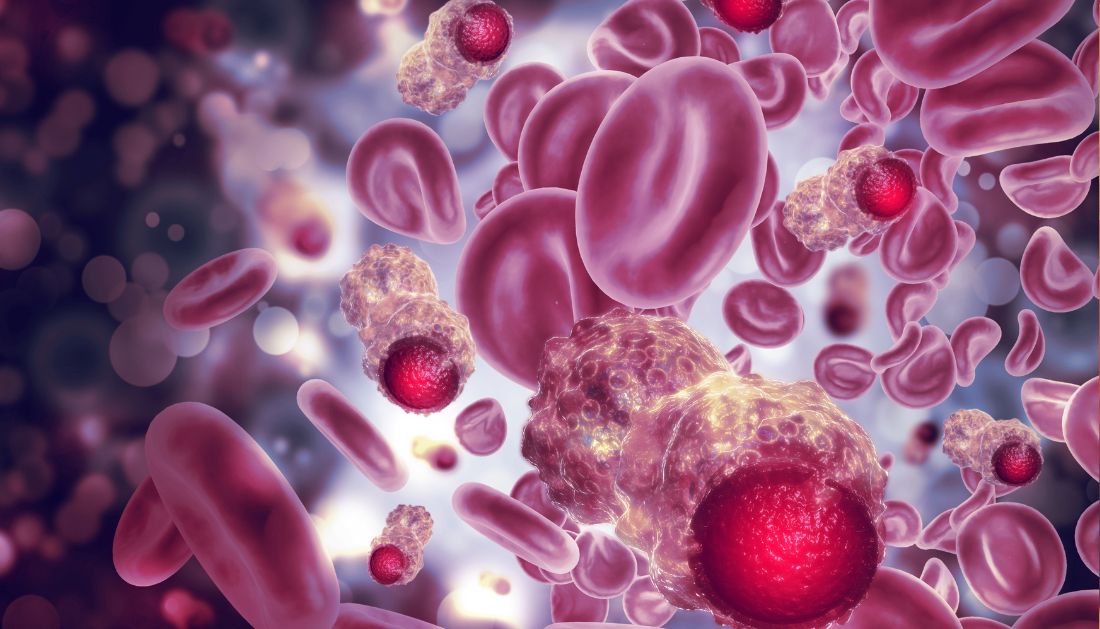
A new study from University College London (UCL) and the Francis Crick Institute has revealed a groundbreaking discovery that could change the way we predict and treat cancer. Researchers developed a new tool, ImmuneLENS, which uses whole genome sequencing (WGS) data to analyze immune cells in the blood, offering new insights into cancer survival. The tool looks specifically at T and B cells, two types of immune cells that play a key role in fighting off diseases.
The study, published in Nature Genetics, found that cancer patients with higher levels of immune cells—especially T cells—had better survival rates. This is a breakthrough, as previous research focused primarily on immune cells within the tumor itself. The new research showed that immune cells circulating in the blood are just as important, if not more so, for predicting how well a patient will fare after surgery.
The team analyzed over 90,000 genome samples from the 100,000 Genomes Project, which includes data from cancer patients as well as healthy individuals. They found that cancer patients tend to have fewer T cells in their blood compared to healthy people. More importantly, higher T cell levels were linked to a 47% reduction in death rates over five years post-surgery. This discovery could significantly impact cancer treatment plans, helping doctors make more personalized decisions based on a patient’s immune profile.
Additionally, the team found that individuals who later developed cancer had lower B cell levels, which might signal early-stage disease. This could lead to earlier detection of cancer, even before symptoms arise.
The ImmuneLENS tool has the potential to be a game-changer for both cancer research and treatment. By incorporating immune cell analysis into genetic diagnostic tests, doctors could gain a better understanding of how a patient’s immune system is functioning, allowing for more targeted and effective treatments. This research could also improve immunotherapy predictions, offering hope for more precise and personalized cancer care in the future.
More Information: Robert Bentham etc al. ImmuneLENS characterizes systemic immune dysregulation in aging and cancer, Nature Genetics (2025). DOI: 10.1038/s41588-025-02086-5

 Brain-Computer Interface Uses EEG in Unresponsive Patients
Key findings at a glance Mind-controlled.
 Gamma Oscillations Restored in Alzheimer’s Disease Mice
Key takeaways Researchers restored parvalbumin (PV).
 Coffee Consumption Linked to Lower Recurrent VTE Risk
Key points at a glance Study.
 Body Roundness Index Linked to Higher Heart Attack Risk
Key findings at a glance Study.
 Maternal Diet Fails to Reduce Infant Egg and Peanut Allergy
Key Points A large Australian randomized.
 Visual Impairment Linked to Higher Dementia Risk
Key findings at a glance A.
 Long-Acting HIV Treatment May Help Drug-Resistant Cases
Key Takeaways A UCSF study found.
 Night Shift Work Alters Key Circadian Gene Expression
A recent study published in Frontiers.
 Tirzepatide Weight Loss: Fat Mass and Muscle Findings
Key points Tirzepatide was associated with.
 Coffee and Gut Microbiome: Brewing and Metabolic Effects
Key Points Coffee contains caffeine, chlorogenic.
Leave a Comment