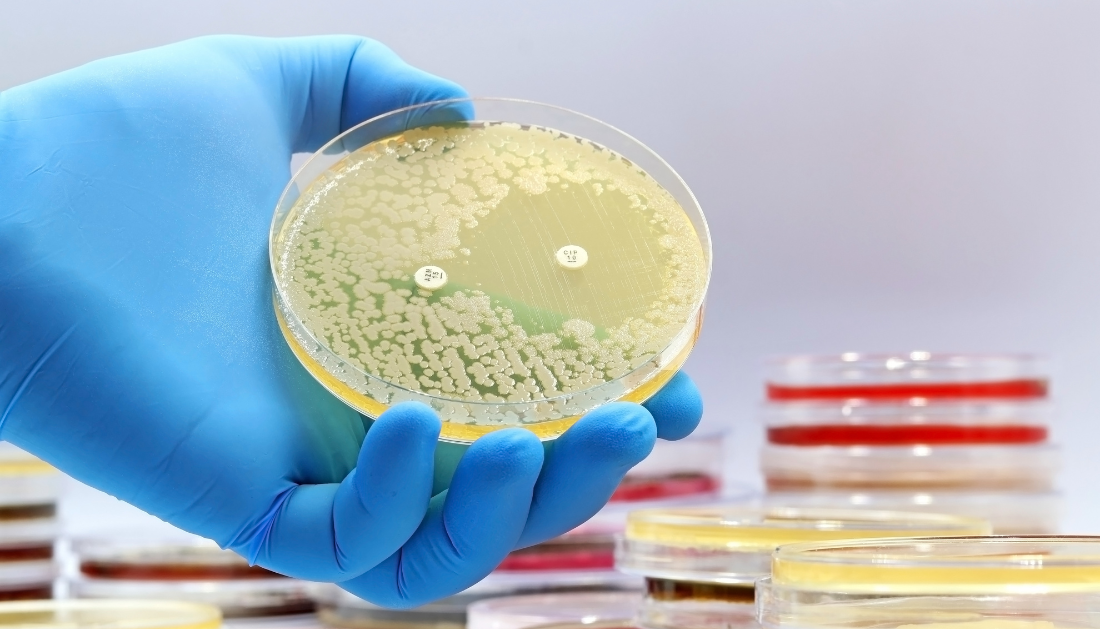
Experimental Antibiotics Target Tuberculosis Bacterium

Experimental antibiotics targeting tuberculosis are gaining renewed focus following new mechanistic insights from researchers at the University of Sydney and the Centenary Institute. Published in Nature Communications, the study addresses a critical challenge in global health: the urgent need for new treatments against drug-resistant tuberculosis (TB).
TB continues to cause approximately 1.2 million deaths annually, remaining one of the deadliest infectious diseases worldwide. Resistance to existing therapies, particularly in the Asia-Pacific region, has intensified the demand for alternative antibacterial strategies.
The research focused on three naturally derived antibiotic compounds, ecumicin, ilamycin, and cyclomarin, and their effects on a crucial bacterial system known as the ClpC1–ClpP1P2 protein degradation complex. This molecular machinery enables Mycobacterium tuberculosis to remove damaged or excess proteins, a function essential for bacterial survival under stress conditions such as host immune pressure.
Rather than simply halting this system, the study revealed that each compound disrupts the complex differently. Using proteomic analysis of more than 3,000 bacterial proteins, researchers demonstrated that interference with this single system leads to widespread protein imbalance across the bacterium.
According to the investigators, these disruptions significantly weaken bacterial function and survival. For clinicians and infectious disease specialists, this insight is critical. It suggests that targeting bacterial protein quality-control systems may offer a viable therapeutic route, especially for multidrug-resistant TB cases where treatment options are limited.
The ClpC1–ClpP1P2 complex has been relatively underexplored as a drug target. Understanding how structurally distinct compounds interact with it provides a foundation for designing more precise anti-TB agents with improved efficacy.
This study strengthens the pipeline for next-generation TB therapies by offering mechanistic clarity that can guide medicinal chemistry and translational research.
For healthcare professionals, it underscores the importance of continued innovation in antimicrobial development and highlights protein degradation pathways as a strategic focus in TB drug discovery.

 Prenatal Smoking Raises Risk of Child Mental Disorders
Key Summary Prenatal smoking is associated.
 Stroke Risk Linked to Low Birthweight, Not Adult BMI
Key Points Low birthweight is associated.
 Physical Activity Guidelines Gap: Walking is Insufficient
Quick Summary Walking remains the most.
 Breast Cancer Risk Rises with Aging Tissue Changes
Key Highlights A 3-million-cell atlas reveals.
 Type 2 Diabetes Risk Rising in Genetically Susceptible
Quick Summary Rising type 2 diabetes.
 Female Microbiome Shaped by Diet, Stress, Unhealthy Lifestyle
Quick Summary Lifestyle factors significantly influence.
 Transcatheter Valve-in-Valve Improves Mitral Outcomes
Key Highlights Transcatheter mitral valve-in-valve (mVIV).
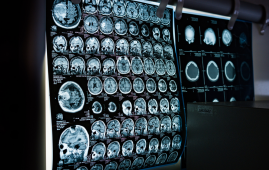 Stroke Rehabilitation: Early High-Intensity Therapy Findings
Key Highlights High-intensity therapy within 2.
 TRPM8 Cold Sensation Mechanism Explained for Pain Care
Quick Summary TRPM8 ion channel converts.
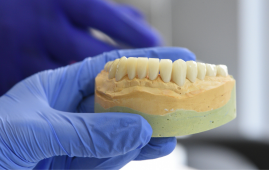 Gum Recession from Snus Confirmed, Caries Risk Debated
Key Highlights Snus use is strongly.
Leave a Comment