
U.S. Water Contamination: Racial Disparities in Exposure

A new analysis by the Silent Spring Institute reveals significant environmental disparities in drinking water contamination across the United States, with nearly one-third of Americans exposed to unregulated contaminants. These chemicals, which could impact health, include PFAS (non-stick chemicals), 1,4-dioxane (a probable human carcinogen), and other harmful substances like Freon 22 and 1,1-dichloroethane. The research highlights racial and ethnic disparities, with Hispanic and Black communities being disproportionately exposed to these contaminants due to poor water quality. These communities are also more likely to live near sources of pollution, such as industrial sites and wastewater treatment plants.
The study draws on data from the U.S. Environmental Protection Agency (EPA) collected between 2013 and 2015, which monitored 4,815 public water systems. It found that 27% of these systems, serving 97 million people, contained detectable levels of harmful chemicals. This includes substances like PFAS, linked to cancer, thyroid disease, and high cholesterol, and 1,4-dioxane, which is present in various consumer products. Despite regulations covering around 100 chemicals under the U.S. Safe Drinking Water Act, the research highlights the risk posed by thousands of other unregulated chemicals.
Racial disparities in drinking water quality were also evident, with Hispanic and Black communities more likely to experience poorer water quality. These findings, which suggest that factors such as racism and historical redlining play a role, further emphasize the need for federal action. Public health researchers like Aaron Maruzzo from the Silent Spring Institute argue that improving water quality for these communities requires more than just addressing income disparities—it also demands systemic changes to combat environmental racism.
Additionally, research by Silent Spring has shown that communities with a higher percentage of Hispanic residents are more likely to have elevated nitrate levels, increasing the risk of conditions like cancer. The study also emphasizes the need for more federal action to regulate contaminants and provide resources for communities of color to address these environmental challenges.
More Information: Maruzzo, A. J., et al. (2025). Socioeconomic Disparities in Exposures to PFAS and Other Unregulated Industrial Drinking Water Contaminants in US Public Water Systems. Environmental Health Perspectives. doi.org/10.1289/ehp14721.

 Gamma Oscillations Restored in Alzheimer’s Disease Mice
Key takeaways Researchers restored parvalbumin (PV).
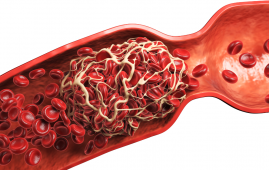 Coffee Consumption Linked to Lower Recurrent VTE Risk
Key points at a glance Study.
 Body Roundness Index Linked to Higher Heart Attack Risk
Key findings at a glance Study.
 Maternal Diet Fails to Reduce Infant Egg and Peanut Allergy
Key Points A large Australian randomized.
 Visual Impairment Linked to Higher Dementia Risk
Key findings at a glance A.
 Long-Acting HIV Treatment May Help Drug-Resistant Cases
Key Takeaways A UCSF study found.
 Night Shift Work Alters Key Circadian Gene Expression
A recent study published in Frontiers.
 Tirzepatide Weight Loss: Fat Mass and Muscle Findings
Key points Tirzepatide was associated with.
 Coffee and Gut Microbiome: Brewing and Metabolic Effects
Key Points Coffee contains caffeine, chlorogenic.
 Low-Dose Radiation Therapy Shows Promise in Early Knee OA
Key Points Low-dose radiation therapy was.
Leave a Comment